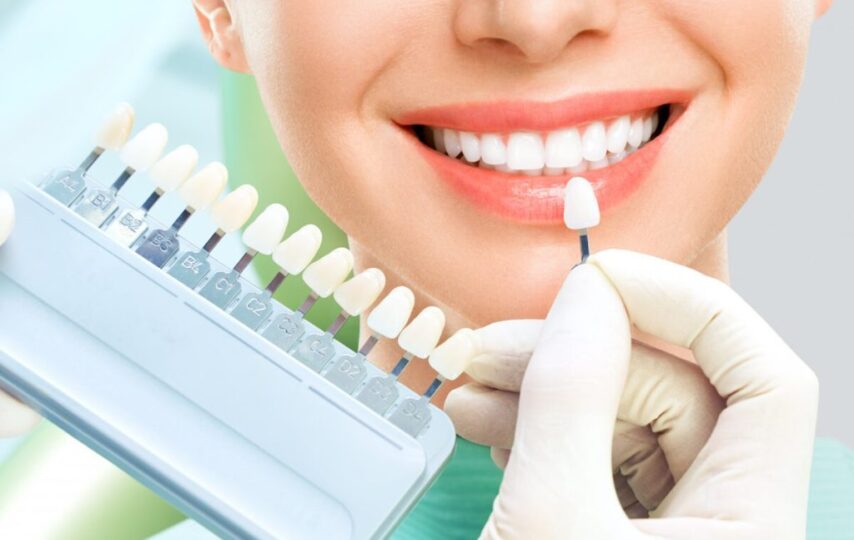

Getting braces is a big step toward a healthy, confident smile. While wires and brackets often get the spotlight, bonding braces to your teeth is the foundation of the process. This step ensures brackets stay securely in place, allowing your treatment to progress smoothly. Bonding isn’t just attaching metal to enamel—it’s a precise process that affects the comfort and effectiveness of your braces. Understanding how bonding works helps patients see its vital role in their orthodontic journey.
What Is Bonding in Orthodontics?
Bonding teeth braces involves attaching brackets to your teeth, a key step in orthodontic care. Using a special adhesive, each bracket is precisely placed to guide your teeth in the right direction. Accurate placement is crucial—any error can affect tooth movement and delay treatment. This careful process sets the stage for successful orthodontic care, making it one of the most important steps.
Step-by-Step Bonding Process
1. Cleaning and Drying the Teeth
Before bonding begins, the orthodontist thoroughly cleans your teeth to remove any plaque, food particles, or residue. Clean surfaces are essential to ensure the adhesive bonds properly.
2. Preparing the Enamel
A mild etching solution is applied to the surface of each tooth. This roughens the enamel slightly, making it easier for the bonding agent to adhere. The etchant is rinsed off after a few seconds, and the teeth are dried completely.
3. Applying the Bonding Agent
Next, a thin layer of bonding material is brushed onto the tooth surface. This acts as a base for the adhesive and bracket. It’s carefully cured with a blue light to set the bond.
4. Placing the Brackets
Each bracket is carefully positioned on the tooth using special tools and guides. The orthodontist ensures every bracket is placed with accuracy to align with the treatment plan. Once in position, the adhesive is cured again with light to harden it and lock the bracket into place.
5. Attaching the Archwire
Once the brackets are bonded, the orthodontist threads an archwire through each one. This wire is what gradually moves your teeth into their proper positions over time.
Why Precise Bonding Matters
The success of your braces depends on the precise placement of brackets. Misaligned brackets can cause teeth to shift incorrectly, leading to delays, discomfort, or adjustments. Properly bonded braces guide each tooth correctly from the start, ensuring efficient movement and reducing the chance of loose brackets or emergency visits.
Patient Comfort and Bonding
A strong bond is key to patient comfort. Secure brackets reduce cheek irritation and prevent uneven pressure on teeth. Properly bonded braces also make adjustments quicker and easier, leading to shorter appointments and smoother treatment progress. A reliable bond avoids delays, as loose brackets can disrupt your plan and require extra visits. Accurate, durable bonding helps prevent these setbacks.
Caring for Braces After Bonding
Proper oral hygiene is essential once your braces are on. Food and plaque can build up around brackets, causing tooth decay and gum issues. Brush gently around each bracket and use interdental brushes or water flossers for hard-to-reach spots. Avoid sticky, hard, or crunchy foods, as they can dislodge brackets. Following these tips will protect your braces and keep your treatment on track.
Conclusion
Bonding may seem like a small step in getting braces, but it’s key to a successful orthodontic journey. The precise placement of brackets and long-term results depend on how securely they are applied. Proper bonding ensures a smoother, more comfortable experience and helps your orthodontist work accurately, setting you on the path to a healthier, more confident smile.