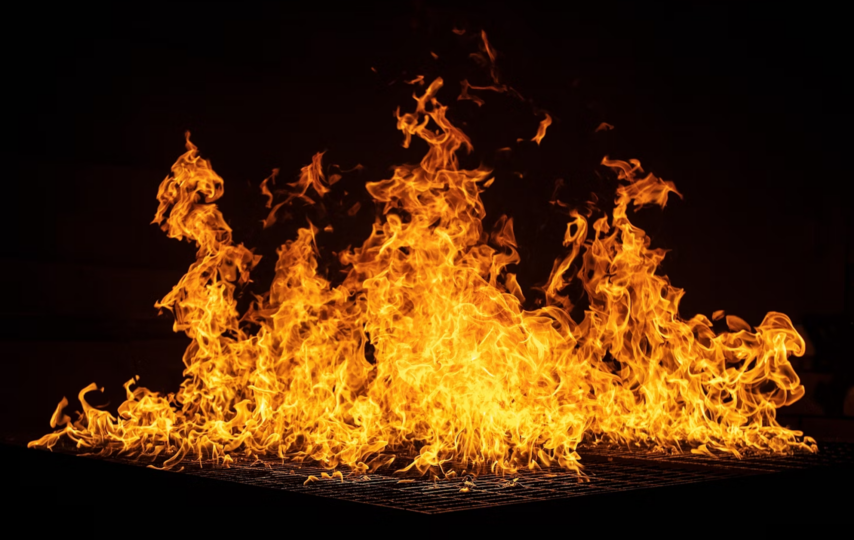

Home is where we feel safest, but it’s also a place where unexpected dangers can ignite — quite literally. House fires remain a leading cause of property damage, injuries, and fatalities. While some incidents are unavoidable, many can be prevented with the right precautions. By understanding the most common fire hazards and practicing simple safety measures, you can protect your home and loved ones from tragedy.
Here are essential tips to stop the spark before it starts:
1. Cook with Caution
Cooking is the number one cause of home fires, and it often begins with unattended stoves. Grease fires, flammable dish towels, and distracted multitasking can quickly turn a meal prep session into a disaster.
Prevention Tips:
- Never leave food unattended on the stove.
- Keep flammable items (like paper towels, dishcloths, and packaging) away from burners.
- Avoid wearing loose sleeves that might catch fire.
- Have a lid nearby to smother small grease fires—never use water on grease.
2. Be Smart with Heating Equipment
Space heaters and fireplaces are cozy in colder months, but they’re also major fire hazards if used carelessly. Combustible materials placed too close can ignite with little warning.
Prevention Tips:
- Keep space heaters at least three feet away from anything flammable.
- Use heaters with automatic shut-off features.
- Have your chimney cleaned and inspected annually
- Always use a fireplace screen to prevent sparks from escaping.
- If you use a furnace, schedule regular maintenance and inspections—especially in colder areas like Sandy. Professional furnace repair in Sandy ensures your heating system runs efficiently and safely throughout the season.
3. Electrical Safety Matters
Faulty wiring, overloaded circuits, and damaged appliances are common culprits of electrical fires. These fires often occur behind walls or inside outlets, making them particularly dangerous.
Prevention Tips:
- Don’t overload outlets or power strips.
- Replace frayed or damaged cords immediately.
- Hire a licensed electrician for home wiring projects.
- Avoid running cords under rugs or furniture, as this can trap heat.
4. Mind Your Candles
Candles may set the mood, but they also set thousands of homes ablaze every year. A small flame can spread fast if knocked over or left burning too long.
Prevention Tips:
- Never leave candles unattended or within reach of pets and children.
- Place them on sturdy, non-flammable surfaces.
- Extinguish all candles before going to sleep or leaving the room.
- Consider battery-powered LED alternatives.
5. Check Your Smoke Alarms
Smoke alarms are your first line of defense. They can give you critical seconds to escape or put out a small fire before it grows out of control.
Prevention Tips:
- Install smoke detectors in every bedroom, hallway, and level of your home.
- Test alarms monthly and replace batteries at least once a year.
- Replace the entire unit every 10 years.
- Consider interconnected alarms, so when one sounds, they all do.
6. Store Flammable Items Safely
Many everyday products are more flammable than you might think—cleaning agents, paint thinners, and even aerosol sprays.
Prevention Tips:
- Store flammable materials in cool, ventilated areas away from heat sources.
- Keep gasoline and propane tanks outdoors in well-ventilated spaces.
- Never smoke or use open flames near flammable chemicals.
7. Practice Safe Habits Every Day
Prevention goes beyond equipment — it’s also about your daily routines. Smoking indoors, leaving appliances on, or forgetting to clean dryer lint can all lead to fire.
Prevention Tips:
- Never smoke in bed or on upholstered furniture.
- Clean your dryer’s lint trap after every use and check vents regularly.
- Unplug small appliances when not in use.
- Create and practice a fire escape plan with your family.
Final Thoughts
Fire prevention isn’t just about avoiding catastrophe — it’s about creating peace of mind. By being proactive and cautious in your day-to-day habits, you drastically reduce the risk of a home fire. Don’t wait for a spark to become a blaze. Take steps today to ensure your home stays safe, warm, and fire-free.
Remember: One small spark is all it takes. Stop it before it starts.