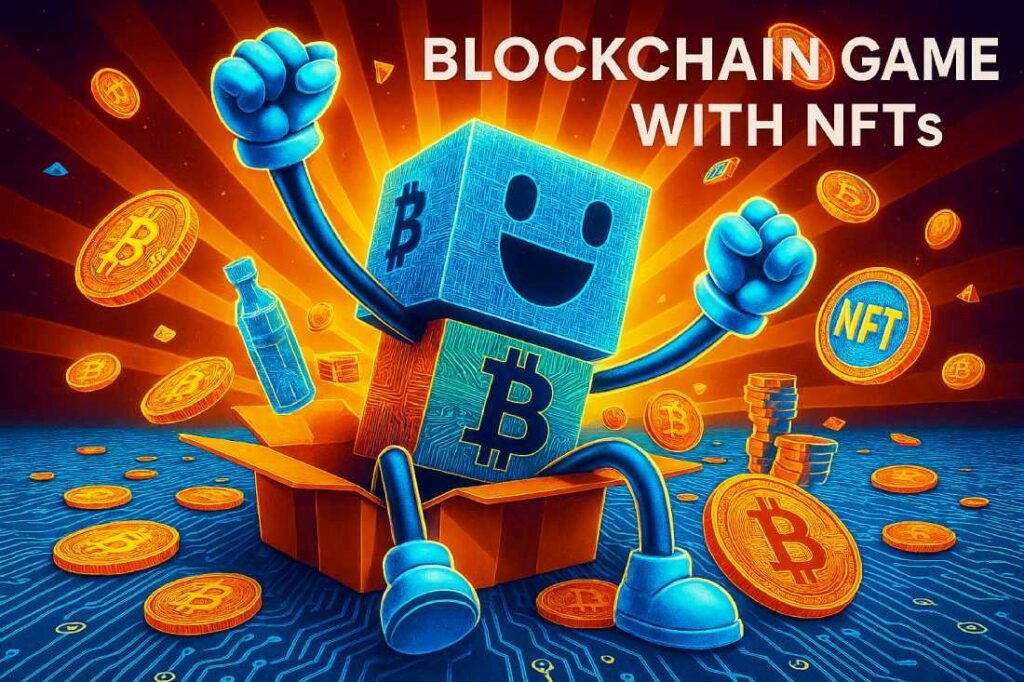
Blockchain technology is revolutionizing the gaming industry by enabling decentralized, transparent, and secure experiences. Through the process of blockchain game development, developers create games where players can truly own in-game assets, trade them securely, and participate in player-driven economies. The decentralized nature of blockchain ensures that no single entity has control over the game’s assets, empowering players with full ownership of their digital items.
The Decentralized Gaming Landscape
In the decentralized gaming landscape, blockchain technology acts as the foundation that supports transparent and secure transactions. Unlike traditional games, where developers maintain central control, blockchain games distribute control across a network, empowering players with real ownership. This shift in control not only enhances trust among gamers but also opens up new opportunities for community-driven development and innovation.
Transparency and Security in Game Development
Blockchain technology’s inherent transparency ensures that all transactions and modifications within a game are publicly recorded. This transparency builds trust among players, as they can independently verify every in-game action. Moreover, the security features of blockchain, such as immutability and encryption, protect against cheating and fraud, creating a fairer and more trustworthy gaming environment.
Empowering Players with Ownership
Ownership in blockchain games extends beyond mere access to game features. Players can own unique in-game assets, such as characters, skins, and items, thanks to blockchain’s support for NFTs. This ownership is verifiable and transferable, giving players the ability to buy, sell, or trade their digital assets, thereby creating a player-driven economy that enhances engagement and investment in the game.
The Role of NFTs in Blockchain Games
Non-fungible tokens (NFTs) are the backbone of blockchain gaming. They represent unique digital assets that players can own, trade, and utilize within the game. NFTs provide verifiable ownership, scarcity, and provenance, making them ideal for in-game items, characters, and collectibles.
Understanding NFT Functionality
NFTs are unique digital tokens that represent ownership of a specific asset or piece of content. Each NFT is distinct and cannot be replaced or exchanged on a one-to-one basis with another token. This uniqueness and scarcity add value to the digital items they represent, making them highly sought after in gaming communities.
The Economic Impact of NFTs
The introduction of NFTs into gaming has created vibrant digital economies where players can monetize their gaming skills and assets. By trading NFTs in open marketplaces, players can earn real-world income, transforming gaming from a hobby into a potential livelihood. This economic shift has fueled the growth of play-to-earn models, where players are rewarded financially for their time and achievements in-game.
Transforming Player Engagement
NFTs have fundamentally changed how players engage with games by introducing real-world value to digital assets. Players are more invested in games where their efforts and achievements translate into tangible rewards. This not only boosts player retention but also encourages a deeper connection with the game world and its community, fostering a sense of ownership and belonging.
Designing Blockchain Game Mechanics
Designing blockchain game mechanics requires a deep understanding of both traditional game design principles and blockchain technology. Game mechanics are the rules and systems that govern gameplay, influencing how players interact with the game world.
Balancing Traditional and Blockchain Mechanics
Integrating blockchain technology into game mechanics involves blending traditional design principles with innovative blockchain features. Developers must ensure that blockchain elements, such as NFT ownership and decentralized economies, enhance rather than disrupt the core gameplay experience. Achieving this balance is crucial for creating seamless and enjoyable gaming experiences.
Creating Player-Centric Economies
A well-designed blockchain game economy prioritizes player engagement and satisfaction. Developers must craft systems that encourage active participation, such as rewarding players for their contributions and achievements. By aligning economic incentives with player goals, developers can cultivate thriving in-game communities and foster long-term player loyalty.
Ensuring Fairness and Transparency
Fairness is a critical aspect of blockchain game mechanics. Developers must implement systems that prevent exploitation, such as anti-cheat measures and transparent trading mechanisms. By leveraging blockchain’s transparency and immutability, developers can create a level playing field where all players have equal opportunities to succeed and thrive.
Integrating Markets and Economies
One of the most exciting aspects of blockchain gaming is the integration of markets and economies. Blockchain technology enables the creation of decentralized marketplaces where players can buy, sell, and trade NFTs and other in-game assets. These marketplaces operate without intermediaries, ensuring transparency and security.
To facilitate the development of these integrated systems, various NFT game development companies are emerging, specializing in creating engaging blockchain games and marketplaces. These companies leverage blockchain technology to design games that not only offer innovative gameplay but also empower players through ownership and trade of digital assets. By collaborating with these development companies, the gaming industry can further enhance the player experience and expand the possibilities within decentralized gaming economies.
Developing Decentralized Marketplaces
Decentralized marketplaces are a cornerstone of blockchain gaming, providing players with a platform to trade digital assets freely. These marketplaces eliminate intermediaries, reducing transaction fees and enabling direct peer-to-peer exchanges. This democratization of trading creates a more equitable and accessible gaming economy for all players.
Balancing Supply and Demand
To maintain a healthy in-game economy, developers must carefully balance the supply and demand of digital assets. Introducing scarcity through limited-edition items or exclusive NFTs can drive demand and increase asset value. However, developers must also ensure that the economy remains accessible and inclusive, preventing excessive speculation and market manipulation.
Regulating Economic Systems
Implementing mechanisms to regulate in-game economies is essential for sustainability. Developers can introduce features such as transaction fees, taxation, or asset burning to manage inflation and ensure the long-term viability of the game’s economy. These regulatory measures help maintain economic stability and prevent market volatility.
The Impact of Play-to-Earn Models
Play-to-earn models have gained significant traction in the blockchain gaming space. These models allow players to earn real-world income by participating in the game, either through gameplay or by trading NFTs. This has led to the emergence of new gaming communities and economies, where players can collaborate and compete for rewards.
Redefining the Gaming Industry
Play-to-earn models are reshaping the gaming industry by empowering players to monetize their time and skills. This shift challenges traditional gaming models, where players often spend money without tangible returns. As a result, more players are gravitating towards games that offer financial incentives, driving growth and innovation in the blockchain gaming sector.
Building Collaborative Communities
The play-to-earn model fosters collaboration and community building among players. Gamers can form alliances, share strategies, and support each other in achieving common goals. This sense of camaraderie enhances player engagement and satisfaction, creating vibrant gaming communities that thrive on mutual support and shared achievements.
Economic Opportunities for Players
For many players, play-to-earn games represent a new source of income and financial independence. By participating in these games, players can earn money through gameplay or by trading valuable NFTs. This economic empowerment has the potential to uplift communities, particularly in regions where traditional employment opportunities are limited.
Metaverse Integration
The concept of the metaverse is becoming increasingly relevant in the gaming industry. The metaverse is a collective virtual shared space, created by the convergence of virtually enhanced physical reality and physically persistent virtual reality. Blockchain games are at the forefront of metaverse integration, offering players immersive and interconnected experiences.
Building Interoperable Game Worlds
For the metaverse to thrive, games must be interoperable, allowing players to move assets and characters between different game worlds. Blockchain technology facilitates this by providing a decentralized infrastructure for asset ownership and transfer. Developers must design their games to support interoperability, enabling seamless integration with other games and platforms.
Creating Immersive Experiences
Metaverse integration enhances player experiences by offering new levels of immersion and interactivity. Players can explore vast, interconnected worlds, interact with other players, and engage in a wide range of activities. This opens up new possibilities for storytelling and gameplay, creating more engaging and dynamic experiences.
The Future of Social Interaction in Gaming
The metaverse represents the future of social interaction in gaming, where players can connect with others in meaningful ways. Through avatars and virtual spaces, players can socialize, collaborate, and compete in an environment that transcends geographical boundaries. This evolution in social interaction is redefining the role of gaming in our lives, making it a more integral part of our social fabric.
Challenges and Opportunities in Blockchain Game Development
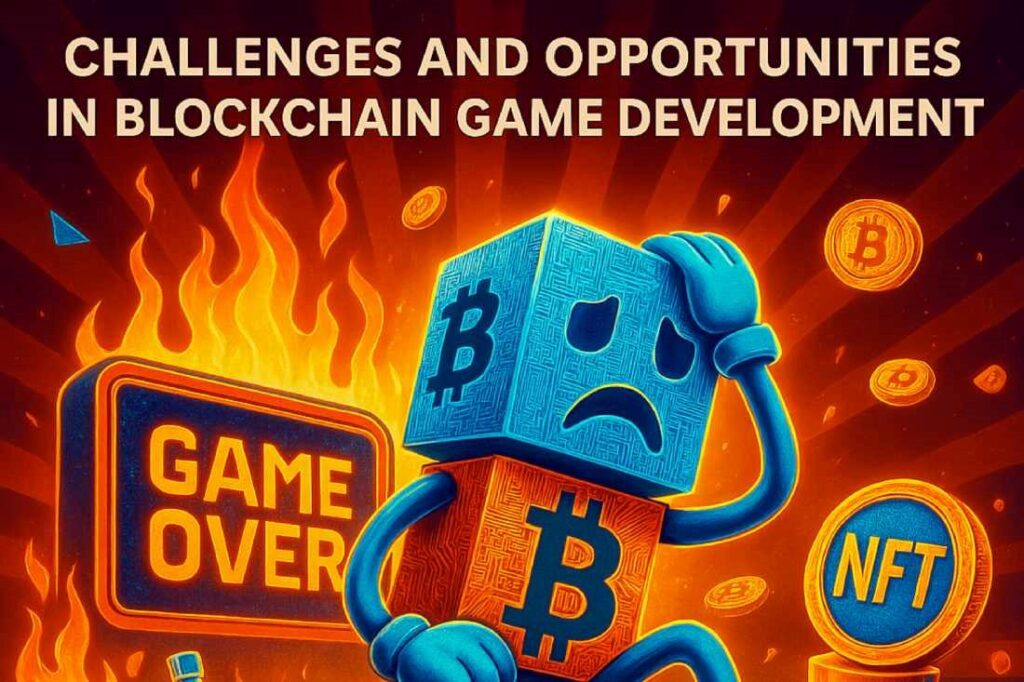
While blockchain game development offers numerous opportunities, it also presents several challenges. Developers must navigate technical complexities, regulatory considerations, and market dynamics to create successful games.
Overcoming Technical Complexities
Blockchain technology is still in its infancy, and developers must overcome technical challenges related to scalability, security, and user experience. Designing user-friendly interfaces and ensuring seamless integration with blockchain networks are critical for attracting and retaining players.
Navigating Regulatory Landscapes
The regulatory landscape for blockchain games is evolving, and developers must stay informed about legal requirements and compliance issues. This includes understanding the implications of token sales, intellectual property rights, and data privacy. Adapting to changing regulations is essential for maintaining compliance and avoiding legal pitfalls.
Differentiating in a Competitive Market
The blockchain gaming market is highly competitive, and developers must differentiate their games to stand out. This involves creating unique and engaging gameplay experiences, leveraging innovative mechanics, and building vibrant player communities. Successful differentiation can lead to increased visibility and player adoption in a crowded market.
Conclusion
Blockchain game production is a rapidly evolving field that offers exciting opportunities for developers, journalists, and content strategists. By understanding the intricacies of blockchain technology, NFTs, game mechanics, markets, and metaverse integration, stakeholders can create more engaging and rewarding gaming experiences. As the industry continues to grow, those who embrace these innovations will be well-positioned to lead the next wave of gaming evolution. The potential for blockchain technology to transform gaming is immense, and those who harness its capabilities will shape the future of the industry.
Frequently Asked Questions (FAQ)
1. What is blockchain game development?
Blockchain gaming development involves creating games that utilize blockchain technology to enable decentralized ownership and secure transactions of in-game assets. This gives players true ownership of their items and promotes player-driven economies.
2. How do NFTs function within blockchain games?
Non-Fungible Tokens (NFTs) represent unique digital assets within blockchain games. Each NFT has its own identity and ownership, verifiable on the blockchain. Players can buy, sell, and trade these assets, adding real value and authentic ownership to in-game items.
3. What are the benefits of play-to-earn models?
Play-to-earn (P2E) models allow players to earn real-world income by completing in-game activities or trading NFTs. These models provide financial incentives, reward player time and skill, and open up new economic opportunities within the gaming world.
4. How does blockchain enhance player trust and security?
Blockchain technology offers transparency, immutability, and decentralization. These qualities ensure that all player actions and transactions are verifiable, reducing the risk of cheating, fraud, and server manipulation, thereby creating a secure and fair gaming environment.
5. What challenges do developers face in blockchain game development?
Developers must tackle:
- Scalability issues
- Complex user onboarding
- Regulatory uncertainties
- High competition
Overcoming these challenges is crucial for building stable, accessible, and engaging blockchain games that can succeed in a growing market.
6. How can NFTs impact player engagement?
NFTs add real-world value to in-game assets, increasing player investment and emotional attachment. When players earn or collect valuable, tradeable items, they are more likely to remain engaged, contribute to the economy, and form stronger community bonds.
7. What does metaverse integration mean for blockchain games?
Metaverse integration enables the interconnection of virtual worlds, allowing players to transfer assets, avatars, or progress across games. This creates a more immersive, persistent, and interoperable gaming experience, aligning with the vision of a unified digital ecosystem.