Face filter technology has become increasingly popular among users of social media platforms and various communication apps. These digital overlays allow users to augment their facial features with virtual elements, ranging from basic color changes to complex animations. The growing interest in this technology underscores the need to explore how it works and its potential applications. This guide aims to demystify face filter technology for beginners, providing an understanding of how these filters are created and offering insights into their current uses. By delving into the technology’s operation and available tools, you can even start creating your own face filters. Whether you’re using a tried-and-true platform or experimenting with newer solutions like Tencent RTC, this comprehensive guide will get you started on your face filter journey.
Understanding Face Filters
What Are Face Filters?
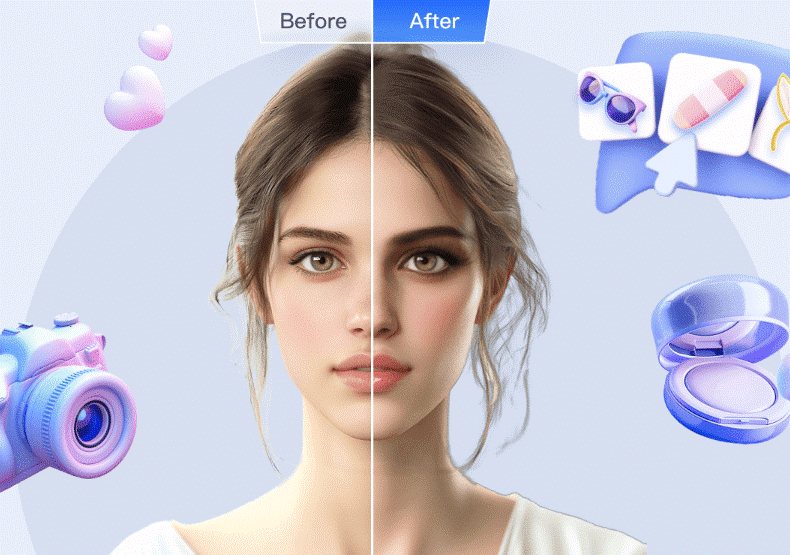
Face filters are digital layers applied to a user’s face in real-time through camera apps. These filters can change or enhance facial features, add accessories like hats or glasses, and even morph your face into animals or characters. Originally popularized by social media apps such as Snapchat and Instagram, these digital embellishments are designed to amuse and engage users. Despite their playful nature, the technology behind face filters is a sophisticated blend of computer vision, augmented reality, and artificial intelligence. Their ability to recognize, interact with, and overlay digital elements onto human faces is what makes face filters a fascinating study within the digital creative space. Their design must meticulously consider color theory, proportion, and the seamless integration of digital graphics with real-world images.
How Do Face Filters Work?
Face filters operate using a blend of face detection and face tracking technologies, achieved through complex algorithms. Initially, face detection software identifies and creates a digital map of facial landmarks, pinpointing areas like eyes, nose, and mouth. Advanced algorithms then overlay digital content onto these mapped positions, ensuring they move harmoniously with the user’s face in real-time. Tools like machine learning enhance this process by recognizing and adapting to an array of facial expressions and angles. Developers often use popular platforms like OpenCV for computer vision tasks and augmented reality SDKs like ARKit or ARCore, which facilitate smooth face filter creation. Companies like Tencent RTC provide sophisticated real-time communication solutions, ensuring face filters function seamlessly in live video communications.
Applications of Face Filter Technology
Social Media and Entertainment
Social media platforms have transformed how users interact with content, and face filters play a pivotal role in this evolution. Filters engage audiences by providing them with creative, fun ways to express themselves. Snapchat and Instagram, for instance, offer a plethora of face filter options, from simple beautification effects to intricate themed filters that align with cultural events and trending challenges. Entertainment has also seen robust integration of face filters, with celebrities and influencers leveraging them to enhance their online personas. This widespread adoption not only drives user interaction but also boosts platform engagement rates, making face filters a staple in social media strategies across the globe.
Video Communication and Virtual Try-Ons
Beyond social media, face filter technology is proving invaluable in video communication. Platforms such as Zoom and Microsoft Teams incorporate filters, enhancing user interaction and making online meetings more engaging. Additionally, face filters have found a foothold in e-commerce through virtual try-on applications. Retailers in the beauty industry, like Sephora and L’Oréal, offer virtual makeup try-ons to their customers, enabling them to test products digitally before purchase. This application not only enhances the shopping experience but also allows brands to reach consumers in personalized, interactive ways, fostering brand loyalty while reducing product returns.

Creating Your Own Face Filters
Tools and Platforms for Development
To create face filters, developers utilize specialized software and platforms designed for augmented reality development. Programs like Spark AR Studio and Lens Studio provide user-friendly interfaces for designing interactive face filters, suitable even for beginners. These platforms offer comprehensive tutorials, templates, and a supportive community to guide new users through the creation process. Professional developers often employ tools like OpenCV for complex computer vision tasks and libraries such as TensorFlow for machine learning applications. Tencent RTC provides robust solutions for real-time communication integration, enhancing the functionality of face filters in live video contexts. By leveraging these tools, anyone can embark on their own face filter development journey.
Steps to Build a Face Filter
Creating a face filter begins with conceptualizing an idea that resonates with your audience. Once you have a clear concept, choose a development platform that aligns with your needs and expertise level. Begin by designing static digital elements, such as textures and 3D models, which will become part of your filter. Use the platform’s tools to map these elements to facial landmarks, ensuring synchronicity with facial movements. Test your filter extensively to refine its functionality and aesthetic quality, addressing any bugs or design inconsistencies. Finally, publish your filter through the platform’s distribution channels, sharing your creation with the world and gaining valuable user feedback for future improvements.
Conclusion
Face filter technology continues to captivate users across various digital platforms, thanks to its blend of creativity and technology. This guide has sought to unpack the intricacies of face filters, from their foundational technology and diverse applications to the steps involved in crafting your own filters. As you venture into the realm of face filter creation, tools like Tencent RTC offer potent solutions to enhance your development process. Whether for entertainment, communication, or commerce, the potential of face filters remains vast and promising. By harnessing these technologies, creators can deliver immersive, engaging experiences that resonate with audiences worldwide.