
In the world of professional printing, precision and quality are paramount. One tool that plays a crucial role in achieving this is the paper scoring creaser. This innovative device has become indispensable for printing companies aiming to deliver seamless and professional results. In this article, we’ll explore the concept of a paper scoring creaser, its essential role in the industry, and the numerous benefits it offers to enhance the final product quality in professional printing.
Understanding What a Paper Scoring Creaser Is
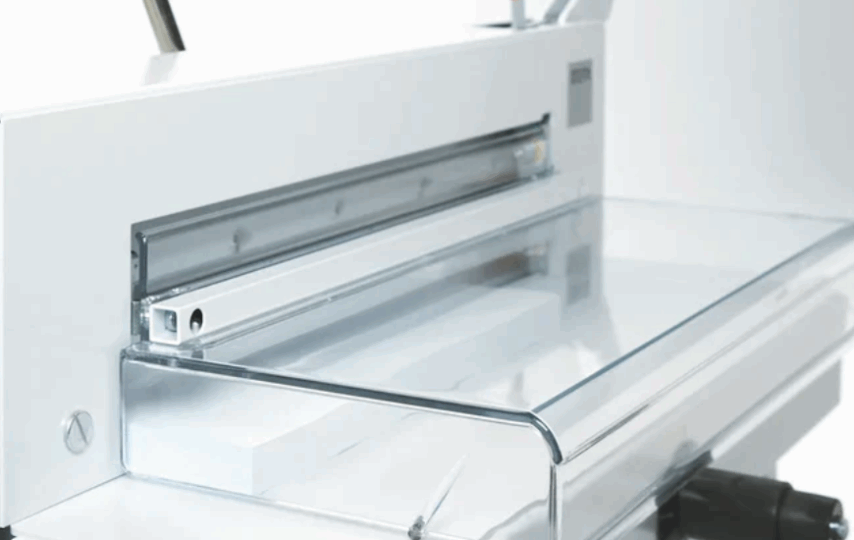
A paper scoring creaser is a machine used to create a crease or a line on a piece of paper. This small yet vital step helps in achieving clean and precise folds, which is critical for various printing applications, such as brochures, booklets, and invitation cards. By employing a paper scoring creaser, businesses can avoid paper cracking and ensure that folds are sharp and professional, enhancing the overall appearance of printed materials.
The process might seem simple, but it’s an essential step that contributes to the overall professionalism and aesthetics of printed projects. Whether it’s a large batch of brochures or a specialty handmade card, a paper scoring creaser ensures each piece looks its best, enhancing both functionality and visual appeal.
• Functionality: The machine typically uses a scoring blade or wheel to impress a line onto the paper. This line acts as a guide for folding and ensures the paper bends precisely along it without damaging the fibers.
• Clean and Precise Folds: With a paper scoring creaser, achieving perfectly aligned folds is straightforward, which is integral for creating high-quality printed materials.
For those looking to dive deeper into the technicalities, consulting technical guides or manuals can provide more comprehensive insights into using these machines effectively. You can check out Scientific American’s article on the decline of user manuals.
By integrating a paper scoring creaser into the printing workflow, businesses can significantly improve production efficiency and product quality, making it a wise investment for any printing company dedicated to delivering top-notch results.
Key Benefits of Using a Paper Scoring Creaser
A paper scoring creaser is a valuable tool in the professional printing industry. By integrating this device into the production process, businesses can achieve a range of advantages that enhance both quality and efficiency. Here’s how a paper scoring creaser can benefit your printing operations:
• Increased Production Efficiency: Using a creasing machine for paper can speed up production significantly. It ensures consistent, precise creases in the paper, reducing the time spent repairing errors or adjusting folds manually.
• Reduced Paper Cracking: When paper is folded without scoring, it can crack along the fold, leading to unprofessional results. A paper scoring creaser helps avoid this by creating a clean fold line, which minimizes stress on the paper fibers.
• Professional Finish: The creaser creasing machine leads to a sharper and more accurate fold, enhancing the overall appearance of printed materials. This results in higher quality brochures, reports, and booklets that impress clients and customers.
By investing in a paper scoring machine, printing businesses can optimize their processes, leading to improved client satisfaction and potential cost savings on rework and material waste.
Also, check out the historic developments in the papermaking process.
The Technology Behind Creasing Machines
Incorporating advanced technology, creasing machines have become indispensable in modern printing operations. These machines, including both manual and automatic creasing machines, cater to a wide array of production needs. Here are some crucial technological elements:
• Automation Features: Modern creasing machines often come equipped with automation, allowing for faster production cycles with reduced manual intervention. This increases accuracy and decreases labor costs.
• Variety of Machines: There are numerous types of creasing machines available. From simple paper creasers to sophisticated automatic creasing machines, the options cater to different scales of operations.
• Technological Advancements: Recent developments in the technology behind these machines have improved their efficiency and functionality. Digital creasing machines, for instance, offer precise adjustments and are designed to handle complex digital printing tasks.
Technological evolution in paper scoring and creasing has revolutionized professional printing, making it easier to cater to diverse styles and volumes of work. For more details, refer to this industry report on the UK stationery and greeting card market. With ongoing advancements, businesses can look forward to even more efficient and effective printing solutions in the future.
Types of Paper Creasers: Manual vs. Automatic
When deciding on the right creasing machine for your needs, considering the type is crucial. Here’s a breakdown of the differences between manual and automatic paper creasers:
Manual Creasing Machines
• Description: These machines require hands-on operation. They are generally simpler in design and less expensive.
• Use-Cases:
o Ideal for small print shops where the volume is low.
o Suitable for businesses that manage occasional and specialized printing tasks.
• Advantages:
o Cost-effective for startups or small-scale operations.
o Easy to maintain with minimal technical know-how.
• Limitations:
o Slower production speed.
o More labor-intensive, requiring continuous manual input.
Automatic Creasing Machines
• Description: These are advanced machines that automate the creasing process, leading to higher efficiency levels.
• Use-Cases:
o Perfect for large printing companies or businesses with high-volume demands.
o Suitable for operations requiring consistent output and precision.
• Advantages:
o Significantly faster, reducing production time.
o Ensures uniformity and precision in every task.
• Limitations:
o Higher initial investment cost.
o Requires skilled operators for setup and maintenance.
Businesses with diverse needs often prefer automatic machines due to their capability to handle large orders seamlessly. However, manual machines still have a place in specific scenarios where budget or volume constraints exist.
Versatility of Creasing and Cutting Machines
A paper scoring machine often works hand-in-hand with cutting machines to meet a wide range of printing demands. Let’s explore their versatility:
Collaborative Functionality
• Creasing and Cutting: They work together to offer precise folds and trims. This combination is essential for products like brochures, greeting cards, and product packaging.
• Design Possibilities:
o Enhanced documents with intricate folding patterns.
o Ability to produce custom-cut designs caters to specialty products.
Enhancing Design Capabilities
• Benefits:
o Ensures sharp folds and clean cuts, providing a professional finish.
o Offers customizability, allowing designs that cater to specific client needs.
• Use-Cases:
o Ideal for complex projects that require detailed and precise finishing touches.
o Suitable for industries that demand unique packaging and print solutions.
Comparison: Digital vs. Traditional Creasing Machines
Choosing between digital and traditional creasing machines can significantly impact your print production. Here’s a breakdown to help you make an informed decision:
• Digital Creasing Machines:
o Precision and Automation: Digital machines incorporate advanced technology that provides precise creases with minimal manual intervention. This automation reduces errors and increases productivity.
o Flexibility: Ideal for short runs and varied projects, digital machines can quickly switch between tasks, accommodating different paper types and thicknesses.
o Integration: They can easily integrate with other digital equipment, streamlining the entire printing process. This adaptability in workflow is crucial in today’s fast-paced print environments.
• Traditional Creasing Machines:
o Reliability: Often considered workhorses, these machines are robust and reliable for long production runs. They’re well-suited for high-volume, repetitive tasks.
o Cost-Effectiveness: While lacking the modern features of digital machines, traditional creasers are generally less expensive initially, making them attractive for businesses with tight budgets.
o Hands-On Control: Operators can manually adjust settings for custom jobs, offering a degree of control that some find beneficial for specific tasks.
In evaluating these options, consider print industry insights to further understand which type meets your business’s current and future needs.
Investment in a Paper Scoring Machine
Investing in a paper scoring machine can be a pivotal decision for a business. Here’s how to approach this investment:
• Assess Business Needs: Determine the volume and variety of your print jobs. This will help you decide between a creasing machine for paper that caters to specific tasks or an automatic creasing machine that offers versatility.
• Evaluate Cost-Benefit Ratio:
o Initial Costs vs. Long-Term Gains: While digital machines might have a higher initial cost, their efficiency can translate into savings over time.
o Potential for Growth: Consider how a new scoring machine could enable you to take on new projects or increase existing output.
• Seek Expert Opinions: Consulting with industry leaders or reviewing expert analyses can provide valuable insights.
By carefully weighing these factors, you can invest in a paper scoring machine that aligns with your operational goals, ensuring enhanced quality and efficiency in your professional printing endeavors.