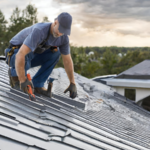

The roofing industry is undergoing a major shift. Smart materials and IoT sensors are driving a wave of innovation that’s reshaping how roofs are built, maintained, and monitored. What used to be a largely manual, reactive field is now becoming intelligent, connected, and increasingly automated. From predictive analytics to self-healing materials, roofing is no longer just about shingles — it’s about systems.
Take traditional asphalt roofing. Repairs have long been reactive — patch up the damage once it’s obvious. Now, with embedded sensors, contractors can detect leaks, moisture buildup, or structural stress before major issues emerge. This is transforming how asphalt roof repairs are approached — moving from costly, last-minute fixes to precise, data-driven maintenance that protects the home and lowers long-term costs.
This shift isn’t just about adding gadgets. It’s about a new mindset. Materials are becoming smarter — able to adapt, respond, and even repair themselves. IoT systems feed real-time insights directly to property managers and contractors. The result? Fewer surprises, longer roof life, and better ROI for homeowners.
The Evolution from Reactive to Predictive Roof Maintenance
Traditionally, roof maintenance has been a reactive approach. Wait until there’s a leak, call a contractor, and hope the damage hasn’t spread too far. But with smart roofing systems, that cycle is breaking. IoT sensors and analytics platforms allow property managers to shift to a predictive model. Instead of waiting for failures, they can act based on real-time data trends — moisture thresholds, temperature swings, and pressure changes that indicate wear or structural stress.
By embedding sensor arrays beneath roofing surfaces, maintenance becomes less about guesswork and more about precision. This not only extends the life of the roof but also minimizes emergency repair costs. Predictive maintenance is no longer just a buzzword — it has become a standard operating procedure in high-performance building management.
Self-Healing Asphalt Technology Breakthrough
Among the most exciting advancements in roofing materials is self-healing asphalt. Engineers are taking cues from biotechnology and materials science to create asphalt compositions that can recover from minor damage without human intervention. This next-gen material helps prevent small cracks from turning into major structural issues.
Microcapsule-Based Repair Systems
One method involves microcapsules filled with bitumen or polymeric sealants embedded in the asphalt mix. When cracks occur, the capsules break open and release the healing agent, sealing the damaged area. This extends the roof’s durability and reduces the need for frequent manual repairs.
Induction Heating with Steel Fiber Integration
Another promising technique involves integrating steel fibers into the asphalt and using induction heating to activate repair processes. When an electric current is applied, the fibers generate heat, softening the asphalt and allowing it to rebind. This method is particularly effective in colder climates where freeze-thaw cycles accelerate roof degradation.
Advanced Polymer-Modified Solutions
Beyond capsules and steel fibers, researchers are also enhancing asphalt with high-performance polymers. These additives boost elasticity, UV resistance, and durability under thermal stress. Roofs made with polymer-modified asphalt can better withstand extreme weather and temperature swings, making them ideal for both residential and commercial buildings. The key benefit? Fewer cracks, less aging, and longer service life — with minimal maintenance.
IoT Sensor Networks Revolutionizing Roof Monitoring
Smart roofing doesn’t work without data — and that’s where IoT sensor networks come in. By creating an invisible layer of wireless monitoring technology, these systems provide real-time insights that were never possible before.
Wireless Moisture and Temperature Sensors
Tiny, battery-powered sensors can now track changes in humidity, temperature, and material strain from beneath the surface of a roof. These wireless devices are easy to install and communicate with central hubs over Wi-Fi or LoRaWAN. If a roof starts collecting moisture after a storm or develops heat pockets under direct sunlight, sensors flag the issue before damage sets in.
Cloud-Based Data Analytics Platforms
The real magic happens in the cloud. Sensor data flows into centralized dashboards where it’s analyzed, visualized, and translated into actionable reports. Facility managers can track conditions across multiple buildings in real time. Instead of making inspections based on schedules, they act based on data.
Predictive Maintenance Algorithms
The future lies in AI-powered prediction. By feeding historical and real-time data into algorithms, these platforms forecast when and where failures are likely to occur. That means proactive work orders, optimized material usage, and no more scrambling after an emergency leak.
Integration Benefits for Property Owners and Contractors
When smart materials and IoT systems are integrated into roofing from the start, everyone wins. Property owners get better asset protection, lower insurance risks, and reduced lifecycle costs. Contractors gain tools to remotely monitor installations, identify problems more quickly, and establish long-term service relationships. The entire roofing process becomes more efficient — from installation to repair.
Smart integration also supports sustainability goals. With better data, teams can avoid unnecessary material waste, reduce energy loss, and extend the roof’s usable life. For eco-conscious property developers and facility managers, that’s a powerful edge.
Technical Challenges and Implementation Barriers
As promising as smart roofing sounds, it’s not without friction. Cost is still a major factor. IoT hardware, installation, and cloud platforms add upfront expense, and some clients hesitate to invest. Compatibility between sensor systems and different roofing materials can also be a challenge, especially in retrofits.
There’s also the issue of data privacy and ownership. Who controls the data collected from a roof — the property owner, the contractor, or the platform provider? Without clear agreements, that question could slow adoption. Training is another hurdle. Roofing crews need to understand how to install and troubleshoot sensors, not just lay shingles.
Market Investment Outlook and Industry Projections
Despite the challenges, investment in smart roofing is gaining serious traction. Analysts expect the global market for intelligent roofing systems to grow by over 15% annually through 2030. Rising climate resilience standards, energy-efficiency mandates, and growing awareness of smart property management tools drive demand.
Big players in roofing and construction tech are already investing in R&D, strategic partnerships, and scalable platforms. For early adopters — both contractors and property developers — the benefits are clear: smarter systems, stronger performance, and a competitive edge in a rapidly changing market.