
Home design is constantly evolving, and the roof—once considered a strictly functional component—is finally getting the attention it deserves. Homeowners are no longer satisfied with basic asphalt shingles in flat tones. Today’s residential roofing is about making a statement, improving energy efficiency, and increasing overall value.
As styles shift and technology improves, a new generation of roofing options is reshaping how homes look and perform. Whether you’re planning a new build or considering a replacement, staying ahead of the trends ensures your roof is as modern and reliable as the rest of your home.
Here’s a look at the standout materials, colors, and innovations influencing residential roofing right now.
1. Architectural Shingles Take Center Stage
The traditional three-tab asphalt shingle is fading fast in favor of architectural or dimensional shingles. These shingles add depth, character, and durability with layers that mimic natural slate or wood shake—all while offering improved wind and impact resistance.
For homeowners who want style without sacrificing budget, architectural shingles have become a go-to option for roof installation. They also come in a wider range of tones and textures than their simpler counterparts.
2. Bold and Dark Colors Are In
While light-colored roofs have historically dominated suburban neighborhoods, a shift toward darker hues is gaining traction.
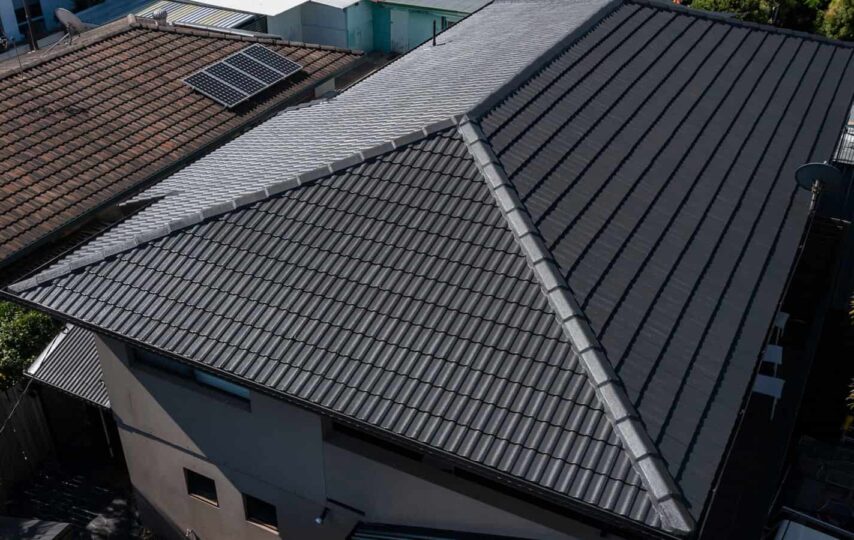
Charcoal, matte black, and deep slate are popular choices for residential roofing. These tones create striking contrasts with white, gray, or natural wood exteriors. More importantly, many modern dark roofing products now include heat-reflective technology, minimizing heat absorption—a major concern in warmer climates.
Today’s homeowners are choosing roof colors that complement their window frames, trim, and siding for a coordinated, polished appearance.
3. Metal Roofs Move Into Suburbia
Metal roofing was once the hallmark of farmhouses and industrial buildings. Now, it’s carving out a prominent spot in residential neighborhoods.
Metal roofs offer exceptional longevity—often lasting 40 to 70 years—and resist wind, fire, and pests. They’ve also come a long way aesthetically, with standing seam and corrugated options available in contemporary finishes.
This trend appeals to homeowners seeking a low-maintenance and eco-conscious roof installation option. It also adds a modern edge to homes designed with minimalist or Scandinavian-inspired architecture.
4. Solar-Ready Roofing Systems
With the growing push for sustainable living, homeowners are beginning to think of their roof as more than just a protective shell. It’s a power source.
Modern roof designs now often include compatibility with solar panel installation. Some newer materials are even built with integrated solar cells that generate power without requiring bulky external panels.
Residential roofing projects that include energy-efficient components may also be eligible for tax incentives or rebates. Roofing contractors increasingly coordinate with solar providers to ensure the structure and materials can handle the additional load.
5. Mixed Material Pairings
Roofing no longer needs to be a one-material affair. Designers and homeowners are mixing materials to create contrast and visual interest.
For instance:
- A main asphalt roof paired with a metal porch awning
- Composite shingles paired with wooden soffits and metal flashing
- Architectural shingles installed with contrasting ridge caps or dormer styles
This layering of textures adds dimension and depth, especially in custom homes or remodels focused on curb appeal.
6. Low-Slope Roof Designs Gain Popularity
In modern residential architecture, low-slope and flat roofs are making a return. Once reserved for commercial roofing or ultra-modern homes, these styles now appear in residential builds thanks to improved drainage systems and advanced materials.
Low-slope designs are particularly attractive in urban settings or with contemporary homes. They allow for rooftop patios, gardens, or HVAC unit concealment—all without compromising structure or safety.
Proper roof installation is crucial here, as water runoff must be carefully engineered to avoid pooling or leaks.
7. Focus on Ventilation and Insulation
A beautiful roof means little if it doesn’t perform well. That’s why more homeowners are prioritizing ventilation and insulation during the planning phase.
Proper attic ventilation helps regulate temperature, reduce moisture, and extend the life of roofing materials. Roofing contractors often install ridge vents, intake vents, or solar-powered exhaust fans as part of the package.
In addition, new roofing systems are being integrated with energy-efficient underlayments that improve insulation and reduce heat transfer—lowering utility bills year-round.
8. Sustainable and Recycled Roofing Materials
Environmentally friendly roofing is gaining traction as homeowners become more conscious of their ecological impact. From recycled rubber shingles to cool roof coatings that reflect sunlight, there are now more eco-responsible options available than ever before.
Recycled composite shingles mimic slate or wood but are made from post-consumer materials. Green roofs—those layered with vegetation—are also being introduced in select residential zones, particularly in eco-conscious urban developments.
For many homeowners, it’s no longer enough for a roof to look good. It has to do good too.
9. Smarter Storm Protection
Climate change has introduced more severe weather in many regions, prompting homeowners to rethink what “durable” really means. Modern residential roofing systems are now rated for higher wind resistance, hail impact, and fire protection.
Some shingles feature built-in reinforcement strips, while others use self-sealing adhesives that bond tighter during extreme heat.
A trusted roofing contractor can help identify products designed for your local weather patterns, reducing the risk of frequent roof repair or replacement due to damage.
10. Customization Is the New Standard
Today’s homeowners want roofs that reflect their personality as much as their siding or landscaping. Customization now plays a central role in both material selection and roof installation.
Instead of settling for a standard builder-grade product, more clients are requesting:
- Unique pattern layouts
- Custom color blends
- Upgraded ventilation packages
- High-contrast trim accents
Strive Roofing & Construction has seen the shift firsthand, as homeowners increasingly ask for roofs that blend performance with personal expression.
Final Thoughts
The modern roof is more than a necessity—it’s an opportunity. An opportunity to elevate your home’s aesthetic, improve energy efficiency, and add long-term value.
From bold colors and metal profiles to smart ventilation and solar-ready systems, today’s residential roofing options are more dynamic than ever. And with the guidance of an experienced roofing contractor, your roof can be as beautiful as it is durable.
Strive Roofing & Construction understands the balance between form and function—ensuring that each roof installation isn’t just up to code, but up to modern expectations.