
Choosing the right bedding for a baby can feel overwhelming. Sensitive skin requires extra care, especially during the early months when irritation can appear easily. Fabrics that seem harmless to adults may cause discomfort or rashes for little ones. That is why selecting hypoallergenic bedding is such an important step in creating a safe and comfortable sleep space.
Parents often look first at softness, but it is equally important to consider materials that reduce the risk of allergic reactions. Hypoallergenic crib sheets are designed to limit exposure to potential irritants, helping to keep skin calm and breathable while still feeling gentle.
Best Fabrics for Sensitive Skin
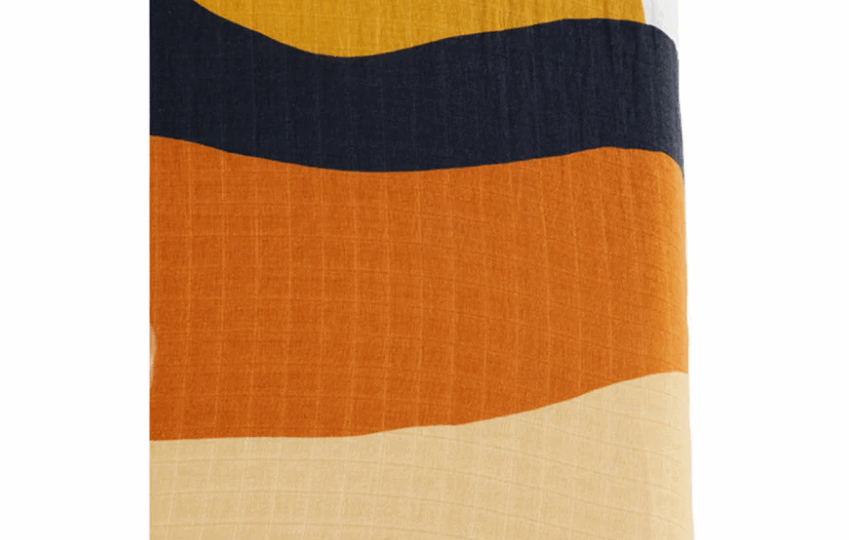
When shopping, fabric choice is the first consideration. Organic cotton is a top recommendation. It is breathable, soft, and usually grown without harsh chemicals. Bamboo is another excellent material. It helps keep the infant dry and cool because it is naturally hypoallergenic and moisture-wicking. A lightweight, airy fabric that gets softer with each wash is muslin, which is frequently composed of cotton. Natural fibers, no doubt, offer the highest level of comfort and security.
Thread Count and Weave
Many people think a higher thread count always means better quality, but that is not necessarily true for infant bedding. A very high thread count can actually make sheets less breathable, trapping heat around the baby. The best range for comfort and airflow is usually between 200 and 400. The weave also matters. A percale weave is crisp and cool, perfect for warm climates or babies prone to sweating. A sateen weave, while slightly heavier, feels smoother and may be more appealing during cooler months.
Checking for Safety Standards
Labels and certifications are important guides when choosing bedding. Look for certifications like OEKO-TEX Standard 100 or GOTS (Global Organic Textile Standard). If you see any of these labels, it means the item has been tested for harmful chemicals and meets safety standards. While this may not always guarantee complete allergy protection, it adds reassurance that the fabric is safe for daily use. Avoid bedding that uses heavy dyes or chemical treatments for stain resistance..
Easy Maintenance Matters
Even the best hypoallergenic sheets lose effectiveness if not cared for properly. Frequent washing is essential, as it removes dust, sweat, and any buildup of skin cells that could trigger irritation. Choose sheets that are machine washable and durable enough to handle frequent cycles. Using a fragrance-free, mild detergent is another important step. Strong detergents or fabric softeners can leave residues that may cause reactions.
Fit and Comfort
A snug fit is more than a convenience; it is a safety necessity. Loose fabric can bunch up and pose risks in the crib. Make sure the sheets fit the mattress snugly and adhere to the safety guidelines for baby bedding. Comfort also shouldn’t be disregarded. The proper texture can encourage longer and more peaceful sleep for babies. Lightweight, breathable, and smooth fabric typically offers the optimum balance.
Signs That a Change Is Needed
Even with careful selection, irritation may still appear. Common signs include redness, small bumps, or fussiness during or after sleep. If this happens, switching to a different fabric or brand can often resolve the issue. Monitoring the skin regularly helps ensure the bedding continues to meet the baby’s needs.
Hypoallergenic crib sheets can make a noticeable difference for infants with sensitive skin. Choosing the right fabric, ensuring proper fit, checking safety certifications, and maintaining regular cleaning all play a part in creating a safe sleep environment. With thoughtful selection, crib covers can provide both comfort and protection, helping babies rest peacefully while reducing the chance of skin irritation.