
Imagine a major shopping center, hospital, or data hub experiencing a sudden power failure. For large-scale commercial operations, the consequences are severe: downtime, financial losses, and safety risks. In today’s interconnected world, main power distribution is not just an engineering necessity—it is the backbone of modern commerce.
Main power distribution systems ensure reliable energy flow that keeps buildings, equipment, and people operational. They manage voltage, balance electrical loads, and safeguard against faults, keeping critical operations running around the clock. For managers, engineers, and decision-makers, understanding the main power distribution is essential to maintain both efficiency and safety.
Why Main Power Distribution Matters
The Hidden Backbone of Commercial Success
From airports to manufacturing plants, every large facility relies on a well-designed network of main power distribution systems. These systems:
- Deliver electricity where it is needed most.
- Balance power across multiple zones of equipment.
- Protect against overloads and electrical faults.
Without such systems, even the most advanced commercial facility would face frequent interruptions, putting operations and revenue at risk.
Common Pain Points
- Unexpected Downtime: Equipment failures or blackouts can halt operations, causing delays and lost revenue.
- High Energy Costs: Without efficient distribution, wasted energy increases operational expenses.
- Safety Risks: Overloads or faults not properly managed can endanger personnel and equipment.
Understanding the main power distribution and proactively addressing these issues helps businesses operate smoothly and avoid costly interruptions.
Core Components of Main Power Distribution
Main power distribution is a system, not a single device. Each component works together to ensure continuity, efficiency, and safety.
Switchgear
Switchgear directs, controls, and isolates electrical equipment. It ensures that if a fault occurs, only the affected section shuts down, allowing the rest of the operation to continue without interruption.
Transformers
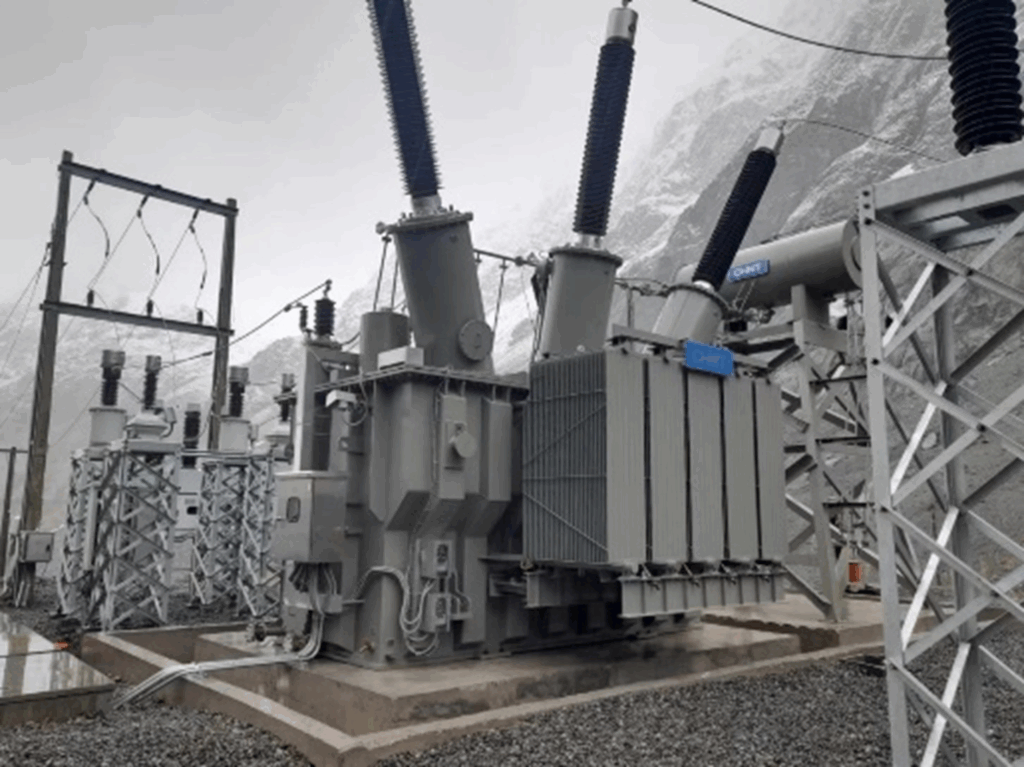
Transformers adjust voltage levels to suit the needs of specific equipment or sections of a facility. Large commercial operations often require multiple transformers to manage complex and varying power demands efficiently.
Circuit Breakers
Circuit breakers act as safeguards, cutting power automatically during overloads or short circuits. This protects both equipment and personnel from electrical hazards.
Busbars & Distribution Panels
Busbars and distribution panels act as the main “highways” for electricity, ensuring it reaches all parts of the facility safely and efficiently. They allow for organized routing of power, reducing risks of congestion or overload in the system.
Benefits for Large-Scale Commercial Operations
Improved Efficiency
Well-designed main power distribution systems reduce energy losses during transmission. This translates directly into lower operational costs and more efficient use of electricity.
Enhanced Safety
Protective devices in the system minimize the risk of electrical fires, equipment damage, and shocks, creating a safer environment for employees and visitors.
Scalability
Main power distribution systems are designed to grow with your business. Expanding your facility, adding new departments, or integrating modern technologies is easier when your electrical backbone is reliable and flexible.
Cost Management
Minimizing downtime and avoiding faults not only protects your operations but also reduces long-term maintenance and emergency repair costs.
Integration with Modern Technologies
Modern main power distribution goes beyond traditional wiring and switchgear. Intelligent systems now incorporate automation, monitoring, and sustainable energy solutions.
Smart Meters and Digital Monitoring
Real-time monitoring allows facility managers to see exactly where energy is being consumed. This data enables quick identification of inefficiencies and informed decisions to optimize power use.
Remote Management
Remote control and monitoring systems allow quick intervention in emergencies, improving response times and operational continuity.
Renewable Energy Integration
As commercial operations increasingly adopt solar, wind, or other renewable energy sources, main power distribution systems must seamlessly integrate these intermittent energy supplies into the existing network.
Energy Storage Support
Battery storage systems ensure that critical operations can continue even during temporary grid outages, enhancing resilience and reducing operational risks.
Challenges and Considerations
High Initial Costs
Designing and installing a robust main power distribution system can be costly, but the investment pays off by improving efficiency, safety, and operational reliability.
Companies often turn to trusted providers like CHINT, whose advanced power distribution solutions offer scalable, reliable systems designed for large-scale commercial operations. By choosing high-quality equipment, you not only reduce long-term maintenance costs but also enhance operational resilience across your facility.
Maintenance Requirements
Regular inspections, testing, and part replacements are essential to maintain system integrity and prevent unexpected failures.
Regulatory Compliance
Large-scale operations must comply with strict electrical safety standards. Failure to meet these regulations can result in legal penalties, fines, or operational shutdowns.
Skilled Personnel
Operating and maintaining main power distribution systems requires qualified engineers and technicians. Training and retaining skilled staff is critical to system performance.
Future Trends in Power Distribution
The field of main power distribution continues to evolve, with emerging technologies driving efficiency, safety, and sustainability:
- AI-Driven Predictive Maintenance – Systems can predict and prevent faults before they occur, reducing downtime.
- Edge Computing – Processing data closer to the energy source improves response times and operational resilience.
- Sustainable Designs – Eco-friendly materials and energy-efficient components are becoming standard in new installations.
- Cybersecurity Measures – As systems become increasingly digital, protecting them against cyber threats is essential to maintain reliability.
These trends reflect a shift toward intelligent, sustainable, and resilient infrastructure. Operations that adopt these innovations are better equipped to handle future challenges, meet regulatory requirements, and reduce operational costs.
Conclusion
Large-scale commercial operations depend on the main power distribution for reliability, efficiency, and safety. From preventing downtime to integrating renewable energy and advanced monitoring, these systems are essential for modern facilities.
By understanding the components, benefits, challenges, and future trends of the main power distribution, facility managers and business leaders can make informed decisions that protect assets, enhance safety, and ensure operational continuity. Investing in robust, well-designed power distribution today sets the stage for growth, sustainability, and resilience tomorrow.
Evaluate your facility’s current power distribution system. Ensure it is optimized for today’s operational demands and scalable for the opportunities of the future.