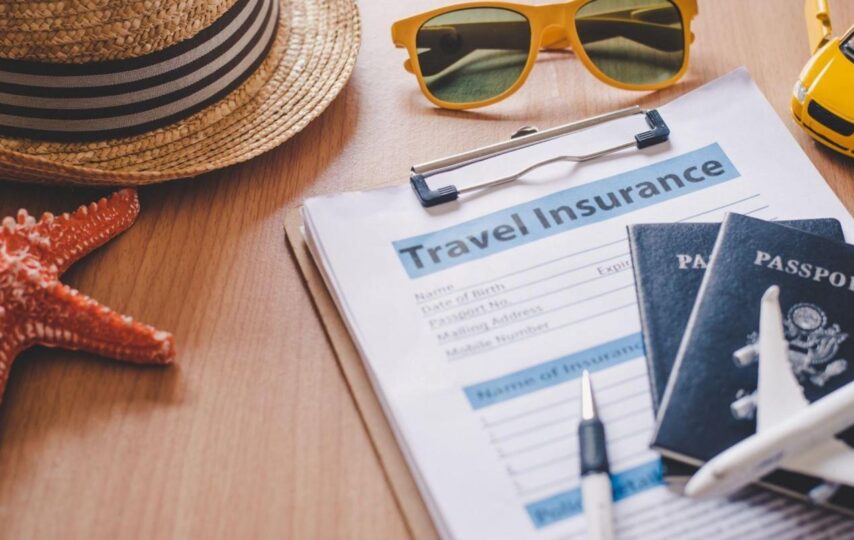

A sprained ankle, a sudden fever, or lost medication can turn a pleasant travel plan into a stressful one. And if it happens to you while abroad, it can be frustrating and costly, which is why having travel medical insurance is a crucial aspect of thoughtful travel planning.
This guide explains what travel medical insurance is, why it matters, what it usually covers or excludes, how to pick a plan, and how to use it while abroad.
What is Travel Medical Insurance?
Travel medical insurance is a short‑term health cover designed for people travelling abroad. It deals with sudden illness or injury in the course of a journey, as opposed to regular treatment.
Travel insurance with medical cover focuses on medical requirements, such as a clinic visit, hospitalisation, etc., depending on the selected amount insured and conditions, unlike general trip policies, which focus on cancellations or missing bags.
Why it Matters
Several healthcare systems vary in the world. Even a mere consultation can be very costly in certain cities, and in private hospitals, they can require you to show them evidence of cover even to get you in.
Medical protection is needed in some of the visa procedures. Planning will minimise your risk financially, will enable you to receive care in a short time and will help to maintain your itinerary on schedule.
What Does it Typically Cover?
Depending on the plan, benefits differ, although they may include the following. Never miss a word in the policy.
- Hospitalisation and acute care in case of an unexpected disease or unintentional injury.
- Outpatient visits, diagnostic tests and medications.
- Emergency treatment of pain after an injury or acute infection of the gums, teeth, or mouth.
- Emergency transportation to the closest suitable medical centre in case the doctor needs it.
- Repatriation in case of a need to continue treatment to the home country.
- Severe accidental injury benefits (unless otherwise specified) Personal accident benefits.
- Visits to a close family member staying in the hospital over a long time span are compassionate visits.
- Daily cash allowance (when provided) in inpatient stays to cover incidental expenditures.
What is Usually Not Covered?
Typical exclusions include:
- Pre-existing conditions not declared or obtained via a particular add-on.
- Cosmetic or elective surgeries, check-ups and vaccinations.
- Risky sports: Should the policy not specifically mention the activity, participation in high-risk sports is considered risky.
- Incidents associated with alcohol or drug abuse or lawbreaking.
- Travel that is against medical advice or within 60 days of a significant procedure.
- Travel against medical advice or within 60 days of a significant procedure.
- Self-inflicted wounds or non-emergency treatment that could safely be deferred until homecoming.
How to Choose The Right Plan
Begin with your destination. Some areas have considerably higher expenses in medicine, and, therefore, an increased amount of the insured can be a wise choice. Take the policy term equivalent to the number of days taken on the trip, including transit.
Look at your age, medical history, and the activities you intend to engage in, such as skiing or scuba diving and include relevant riders where possible. Find simple terms, easy support and a simple claims process that accepts electronic documents.
How to Make a Claim Abroad
This guide explains how travel insurance with medical cover helps you file claims efficiently abroad.
- Have your policy number, helpline assistance and passport information at hand.
- In case of a severe event, call on the assistance team to help you with the further steps before being treated, when possible.
- Ask for pre-authorisation in case of planned admissions or expensive procedures. The assistance team and the hospital will organise medical notes and estimates.
- In case of minor treatment, being advised to pay beforehand, do not lose original bills, prescriptions, diagnostic reports, or discharge summaries.
- You must make your claim within the deadlines of the policy, preferably using the online portal, which will give quicker processing.
Pre-Travel Checklist
Essential steps to prepare when using travel insurance with medical cover before your trip:
- Give a travel partner pertinent medical history and allergies.
- Put original, clearly labelled prescriptions in the original, clearly recognised containers.
- Make online copies of the passport, visa, tickets and policy documents.
- Affirm the claims email, use of the app and 24-helpline.
- Record any deductibles, sub-limits or documentation requirements of particular benefits.
Final Thoughts
Proper preparation is not just about flights and hotels. It also foresees the most unforeseen health requirements in new environments. Choosing the right travel medical insurance, reading the policy carefully, and carrying the proper documents can turn a disrupted trip into a manageable hiccup. Considerate cover enhances sounder, more assured travelling.