
For decades, MICROS systems have been the backbone of restaurants, hotels, and retail operations around the world. Even as cloud-based POS platforms and mobile payment tools gain popularity, MICROS remains one of the most trusted and stable solutions for businesses that require speed, accuracy, and enterprise-level functionality.
In 2025, many businesses are evaluating whether they should continue relying on MICROS or switch to newer, lighter POS technologies. This article breaks down how MICROS systems work, why they remain relevant, and what businesses should consider before making a transition.
What Are MICROS Systems?
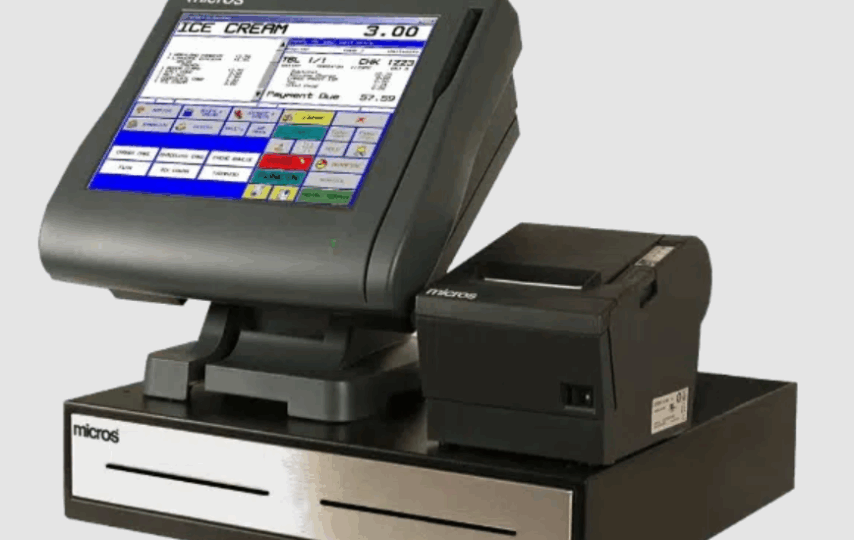
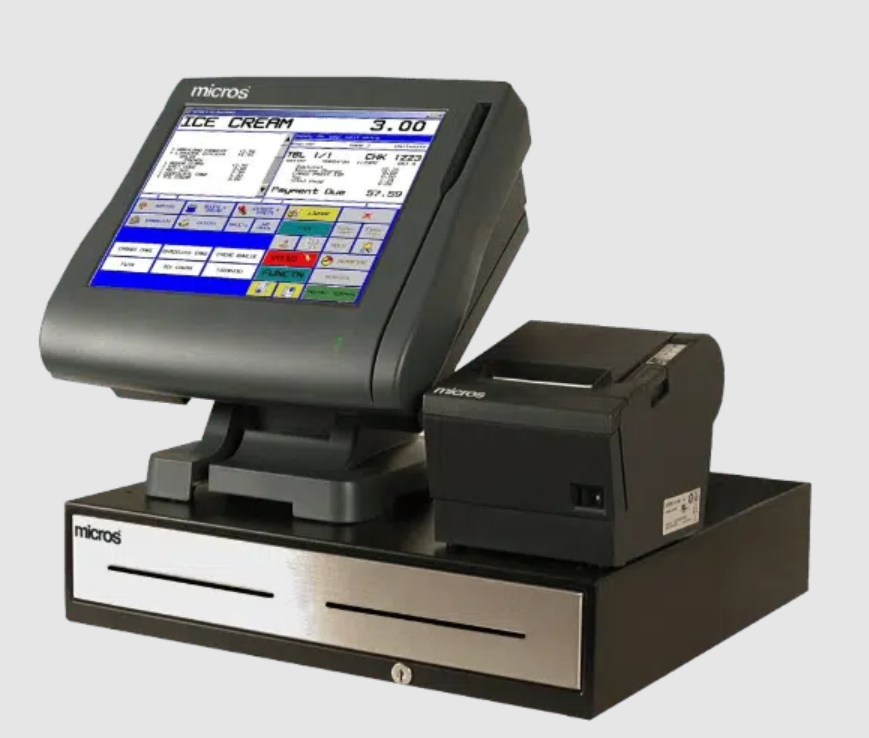
MICROS systems (now part of Oracle) are enterprise-grade point-of-sale platforms designed for complex, high-volume environments. Restaurants, bars, hotels, casinos, stadiums, and retail chains prefer MICROS because of its durability and customizability.
A MICROS setup typically includes:
- Touchscreen terminals
- Receipt and kitchen printers
- Cash drawers
- Kitchen display systems (KDS)
- Local servers or hybrid-cloud connections
- Management and reporting software
- Integrated payment processing
Unlike lightweight POS apps, MICROS is built for environments where every second counts and every mistake costs money. That’s why many major restaurant chains still rely on it today.
Why MICROS Systems Continue to Stand Strong
1. Reliability in High-Volume Environments
Restaurants and hotels handle thousands of transactions daily. MICROS systems are engineered to withstand intense usage without slowing down. The system performs efficiently:
- During peak dining hours
- In multi-terminal setups
- When staff turnover is high
- When quick order processing determines customer satisfaction
Its stability is one of the biggest reasons business owners avoid switching to less-proven POS tools.
2. Extensive Industry-Specific Features
MICROS includes built-in features many modern POS systems offer only as paid add-ons:
- Menu and item modifiers
- Table and order management
- Multi-revenue center support (bar, dining room, patio, room service)
- Employee time tracking
- Integrated inventory
- Detailed reporting and forecasting
- Loyalty and CRM modules
- Hotel PMS integration for hospitality businesses
For full-service restaurants, hotels, and entertainment venues, MICROS offers a level of detail and control that lighter solutions often lack.
3. Scalability for Growing Brands
MICROS shines when businesses expand.
Whether adding more terminals, more departments, or entirely new locations, MICROS configurations scale without compromising performance. Chain restaurants and hotel groups prefer MICROS because:
- Settings can be replicated across locations
- Staff training stays consistent
- Reporting unifies multi-location data
- The system supports complex menus and workflows
This scalability is one of the main reasons many enterprise chains continue to use MICROS in 2025.
Cost Considerations: Understanding the Investment
MICROS systems are not the cheapest POS solution, and pricing varies based on:
- Number of terminals
- Hardware type
- Server vs cloud deployment
- Add-on modules
- Support and maintenance contracts
A typical MICROS investment includes upfront hardware costs plus recurring support fees. For large businesses, the reliability and advanced features justify the cost. For smaller venues, it may feel heavier compared to mobile POS tools — which is why evaluating your operational needs is essential before choosing MICROS.
Is MICROS Outdated? Not Really — Here’s Why
Despite newer POS competitors, MICROS still holds a strong position because:
1. It’s Built for Tough, Real-World Environments
Busy kitchens, bars, and retail counters need durable hardware and stable software — MICROS checks both boxes.
2. It Integrates with Modern Payment Technologies
Businesses can use modern EMV terminals, contactless payment options, and mobile wallets while keeping MICROS as the core POS.
3. Hybrid Cloud Options Exist
Oracle has introduced cloud-connected modules, enabling remote reporting, menu management, and analytics while keeping the fast local performance intact.
4. Upgrades Don’t Require Replacing the Whole System
Many venues modernize payment processing or analytics while keeping their MICROS terminals operational.
How MICROS Compares to Lighter Cloud POS Platforms
| Feature | MICROS Systems | Modern Cloud POS |
| Speed | Extremely fast, built for rush hours | Good but may lag during peak time |
| Hardware | Durable, commercial-grade | Tablets or handheld devices |
| Setup cost | Higher upfront | Lower upfront, subscription-based |
| Best for | Restaurants, hotels, large venues | Cafes, boutiques, food trucks |
| Scalability | Excellent for multi-location | Moderate |
| Customization | Highly configurable | Limited |
MICROS may not be the trendiest POS, but for many businesses, it is still the most dependable.
Where MICROS Systems Fall Short
Not every business needs the depth and complexity of MICROS. Potential drawbacks include:
- Higher cost than mobile POS solutions
- Requires professional installation
- Learning curve for staff
- Maintenance contracts or IT management
- Not ideal for tiny or mobile businesses
If your operation is small, highly mobile, or just starting out, easier and cheaper POS systems could be more suitable.
Smart Payment Solutions Helps Businesses Modernize MICROS
Companies like Smart Payment Solutions work with merchants using MICROS systems to modernize payment workflows without disrupting operations. They help businesses:
- Integrate EMV-compliant payment devices
- Add mobile payment options
- Improve checkout speed
- Simplify back-office reporting
- Reduce processing issues
- Ensure PCI compliance
For businesses that want enterprise stability and modern payment convenience, Smart Payment Solutions provides the perfect bridge.
Should You Switch Away from MICROS? Here’s How to Decide
Before moving away from MICROS, ask:
- Do you require complex menu management or multi-location control?
- Does your venue handle high transaction volumes?
- Do you need a durable, long-lasting hardware setup?
- Do you rely heavily on kitchen or hotel integrations?
- Is your staff already trained on MICROS workflows?
If the answer to most of these is yes, switching might inconvenience your operations more than it helps.
If your business is small, needs mobility, or wants a cheaper monthly setup, a lightweight cloud POS may be a better fit.
Final Thoughts: The Real Value of MICROS Systems
In 2025, MICROS systems continue to offer unmatched reliability, depth, and scalability for restaurants, hotels, and large retail operations. While the industry is shifting toward cloud POS tools, MICROS remains highly relevant for businesses that need complete control, strong performance, and enterprise-level stability.
For merchants who want to modernize without replacing their entire system, partnering with Smart Payment Solutions ensures a smooth transition into secure, fast, and customer-friendly payment technology — allowing MICROS to remain the powerful operational foundation it has always been.