
Product packaging is essential. Whether you’re selling jewellery, electronic components, or dried foods, it’s crucial to keep your items as fresh and safe as possible during the transit process. Secure packaging often involves placing items in plastic bags and then sealing them.
To perform this sealing process, many business owners rely on various heat sealers to create durable and lasting foundations for the rest of the packaging. A huge advantage is that heat sealers come in a wide range of styles to pack all types of items, big and small.
Heat Sealers Are a Must-Have for Any Packaging Process
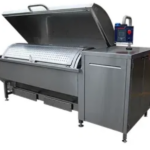
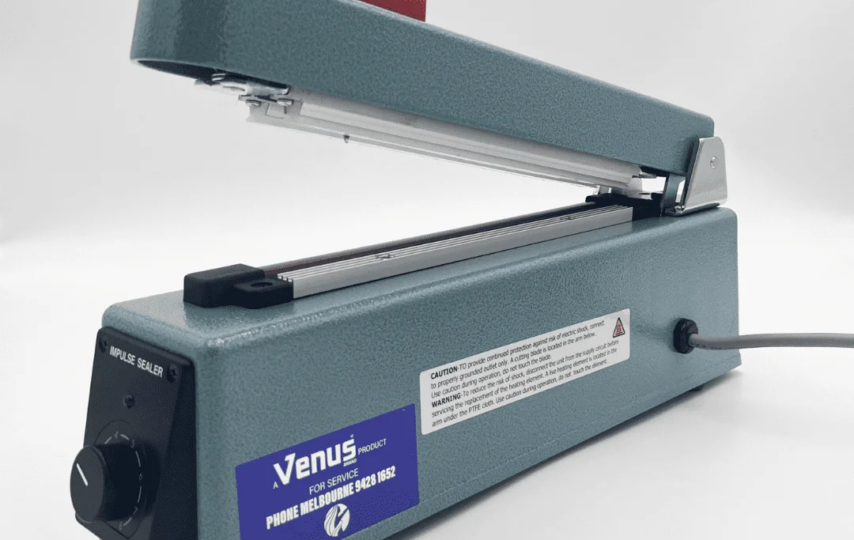
Modern heat sealers come in a range of different types, from benchtop options that you can use on your desk to stand-alone options for bigger items. While larger heat sealers are convenient, the smaller benchtop versions remain one of the more popular options. With that in mind, we’ve drawn up a list of tips to consider as you shortlist potential heat sealer options.
- Establish the Packaging Medium You’re Going to Use
The number one tip to keep in mind when you’re shortlisting potential heat sealers is to establish the preferred type of material you’re going to be sealing. This is essential because some heat sealer models are better suited to certain materials.
Popular materials that can be used to hold your products include plastic film pouches, foil pouches, or paper pouches. Ideally, you’ll want a packaging type that’s going to keep your product as safe (and fresh if necessary) during its journey to your customer.
Typical examples of this include the following:
- Food items such as dried fruit work well in foil packages, as these maintain freshness
- Jewellery and electric components can be packaged in plastic film pouches
- Documents can be placed in paper pouches
- Consider the Preferred Maximum Width to Seal
The next step involves assessing the maximum sealing width for your packages. Keep in mind that this differs for various heat sealers and refers to the largest width that can be closed at one time. This is because the paper, plastic or foil pouch that you’re using is laid down on the surface, and the small jaw-like benchtop heating bar is lowered down on the pouch.
Pouches shouldn’t be sealed in stages, as this affects the quality of the seal. To make the seal efficient, the bar shouldn’t be wider than the jaw. It’s a good idea to take an empty pouch with you if you’re viewing models in-store. You should also know the measurements for online purchases.
- Decide on the Operation Method You’re Going to Use
The operation method depends on how big your package is. Keep in mind that the average heat sealer is operated using a simple hand operation where the bar pulls down over the bag. This works well for sealing smaller or flatter items. Whether this process works for you will depend on the product you’re sealing.
In some instances, a user may need to use both hands to close the bag because one hand holds down the bag and the other ensures there are no creases in the seal. When this is the case, you may need to look for a model that features a foot pedal that will then operate the sealing function while your hands seal the bag.
- Review the Level of Required Maintenance
No matter how big or small your heat sealer is, it will require routine maintenance to ensure that your packaging process doesn’t experience any downtime when a component breaks. Ideally, you want a model that’s easy enough to maintain so that you can delegate the task to the person in charge of the packaging process. Be sure to check the warranty period as well as the criteria that determine it.
Where possible, opt for a maintenance plan so that you can have your heat sealer reviewed by an expert every few months to ensure it’s still in good working order. This is especially necessary if you are buying more than one.
- Check for Spare Parts and Replacement Kits
If you’ve shortlisted a heat sealer that you feel ticks all the boxes, the last aspect to check is the availability of spare components. Many people have found that bar heat sealers eventually require a new PTEE and heating element due to regular wear.
Check with your supplier if backup stock of these replacement kits is readily available. If you have a considerable amount of packaging to do, it may be a good idea to invest in a replacement kit at the time of purchasing the heat sealer.
Final Thoughts
There are many benefits to using a heat sealer to seal your products. Use our list of nifty tips to find the perfect heat sealer. Whether you’re opting for a small benchtop sealer, or you’d prefer a larger standalone model, you can be assured that your products will be secured as they make their way to your customers. With a wide range of sizes and styles, you’ll easily be able to find the perfect heat sealer for your business needs!