Introduction
Visual technology has advanced rapidly, giving architects, designers, and real estate professionals new ways to present ideas with clarity. One of the most impactful innovations is the 3d rendering virtual tour, a powerful tool that allows users to explore a space before it physically exists.
This evolving technology not only improves communication but also enhances project decision-making, marketing, and client satisfaction. As industries continue shifting toward immersive digital experiences, understanding the value and functionality of virtual tours becomes increasingly important.
What Is a 3D Rendering Virtual Tour?
A 3d rendering virtual tour is a digitally created, immersive visualization that allows users to experience a space in a realistic, three-dimensional environment. Unlike static images or basic 3D models, this type of virtual tour enables viewers to move through rooms, examine layouts, and understand spatial relationships as if they were physically present.
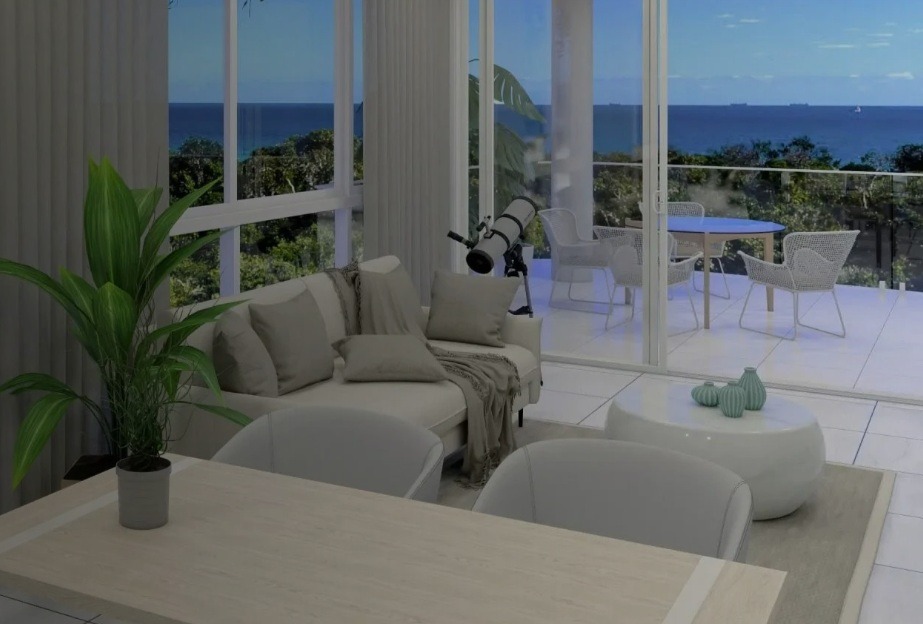
By using advanced rendering engines, lighting simulations, and detailed textures, designers can showcase every aspect of an unfinished property with remarkable accuracy. Whether used for previewing architectural projects or presenting interior concepts, this technology provides a clear, interactive, and highly engaging way to communicate ideas.
How 3D Rendering Virtual Tours Are Created
The creation process for a 3D rendering virtual tour involves several stages, each requiring technical expertise and powerful software. It starts with gathering architectural plans, sketches, or concept designs. From there, 3D artists build detailed models of the structure, incorporating elements such as walls, flooring, fixtures, and furniture.
Lighting is then simulated to mirror natural and artificial sources, ensuring the scene looks as close to reality as possible. Finally, premium rendering engines transform these models into lifelike visuals, which are then integrated into an interactive platform. This combination of 3D modeling, photorealistic rendering, and navigation tools creates a smooth, immersive tour.
The Key Features That Make Virtual Tours Effective
An effective 3D rendering virtual tour goes beyond high-quality visuals. Important features such as 360-degree navigation, zoom capabilities, adjustable viewing angles, and hotspots for additional information significantly enhance the user experience. Some tours include material-switching options, allowing viewers to try different color schemes, flooring types, or furniture layouts.
Others support measurement tools or side-by-side comparisons of different design variations. These features make the tour interactive, informative, and customizable, helping users visualize possibilities clearly and make more confident decisions.
Why Businesses and Designers Are Using Virtual Tours
Many industries are now relying on virtual tours because they solve common communication challenges. Architects and designers use these tours to present concepts convincingly to clients, reducing misunderstandings and revisions later in the project. Real estate developers benefit from the ability to market properties before construction begins, speeding up sales cycles.
Interior designers use virtual tours to demonstrate mood, style, and ambiance, allowing clients to visualize how the final space will look. Hospitality businesses also use this technology to promote upcoming renovations or new facilities. Ultimately, the technology helps professionals showcase ideas with accuracy, saving both time and resources.
The Benefits of 3D Rendering Virtual Tours for Clients and Stakeholders
For clients and stakeholders, a 3D rendering virtual tour delivers clarity that traditional visuals cannot achieve. Viewers can understand scale, depth, and proportions far more effectively. They can explore the flow between rooms, evaluate lighting conditions, and experience the space in different configurations. This immersive clarity reduces uncertainty, leading to better decision-making throughout a project.
Additionally, virtual tours provide remote accessibility, allowing global clients to review and approve designs without being on-site. The result is higher satisfaction, faster approvals, and fewer costly changes once construction begins.
How 3D Rendering Virtual Tours Enhance Marketing and Sales
From a marketing and sales perspective, 3D rendering virtual tours are powerful tools for attracting and engaging potential buyers or investors. Their interactive nature captures attention more effectively than standard images or videos. Potential customers can explore a property at their own pace, which creates a stronger emotional connection and increases the likelihood of investment or purchase.
For real estate companies, these tours help pre-sell units in residential or commercial developments. For design agencies, they act as compelling portfolio pieces that demonstrate creativity and technical skill. In a competitive market where visual impact matters, virtual tours deliver a clear advantage.
Final Thoughts
A 3d rendering virtual tour has become an essential tool for industries that rely on strong visual presentation and clear communication. By offering an immersive, lifelike preview of a space before construction or renovation begins, these tours help clients better understand layouts, aesthetics, and design concepts. They also support businesses by improving marketing efforts, speeding up decision-making, and reducing costly revisions.
As technology continues to evolve, virtual tours will play an even greater role in shaping how projects are planned, presented, and sold—ultimately transforming the way we envision the spaces of the future.