
In 2025, internet no longer stopped to inquire what something meant, but just kept moving on. A picture or a phrase was proclaimed to be funny, strange, or uncomfortably familiar, and the word went round at the same time. Memes had ceased to be a short entertainment and were a part of the everyday beat. Background and explanation were not necessary. You only needed to be present.
Even a little slip might be extended into a nationwide joke. One glimpse of a video can change the life of a person within one night. The internet of 2025 was loud, silly, emotional, and simply human, between the videos that would not go away, and the words that you were repeating without even noticing. These are 10 viral moments and trends that people laughed, argued and stubbornly refused to let fade away.
1. Coldplay Kiss Cam Moment Sparking Internet Frenzy
A few seconds on a stadium screen were sufficient to create one of the most talked about moments of the year. In one Coldplay performance, the camera focused on a couple whose hard and uncomfortable reaction was immediately observed. Andy Byron, a man who was the chief executive of the technology company Astronomer, and Kristin Cabot, who was the former human resources manager of the company, were both present.
Neither of them stayed in their posts later and the incident extended beyond the screen into their personal lives. On the web, though, the clip was deprived of its context and used as an inexhaustible source of jokes, edits, and knowing responses.
2. Jet2 Holiday sound
It was not necessary even to see the picture to identify this trend. The sound alone was enough. In 2025, a catchy Jet2 Holiday commercial slogan reverberated across the internet. Users pinned it on scenes of flights that were delayed, ruined plans and holidays gone wrong. The more awful the result, the more the joke appeared to be received.
3. Labubu dolls Taking over Social Media Feeds
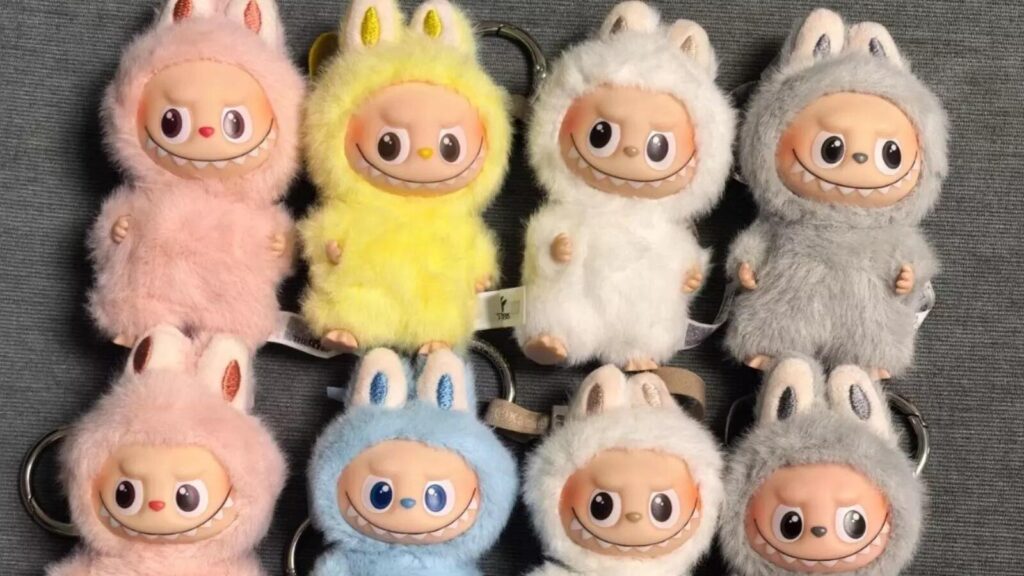
Labubu dolls came out of the blue as the object of collection of the internet. They were attractive in shape, but had a touch of something disturbed. Their popularity was propagated by the use of photographs of popular personalities like Rihanna, Cher, and Kim Kardashian who carry them on their bags.
Conjecture as usual followed. Stories of their own were provided by online commentators, some of them linking the dolls to Pazuzu, an ancient spirit of Mesopotamia, and warning of some dark force. The dolls created an amount of attention that could not be ignored whether harmless ornament or darker symbol.
4. The Hypothetical Battle of 100 men vs 1 gorilla
One question was sufficient to cover the internet for days. Is it possible that a hundred common men will defeat a single gorilla in a battle? No additional description was given, and none appeared to be wanted. The case was litigated with the seriousness which is generally reserved to grave cases.
Others believed in numbers, and others in brute force. Out of this thin premise was spawned a multiplicity of jokes, diagrams and solemn proclamations, proving once again that the internet loves arguments that accomplish nothing and amuse all.
5. Monalisa, Mahakumbh & Overnight Internet Fame
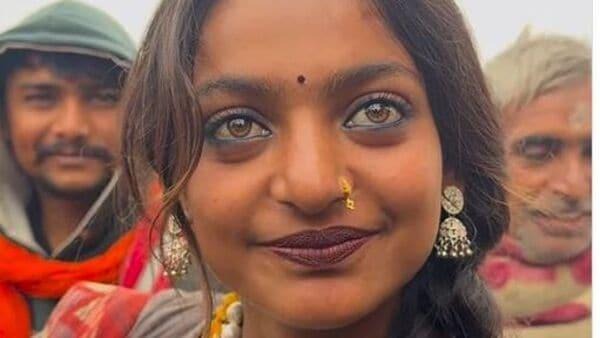
Even an ordinary experience at the Maha Kumbh Mela was sufficient to change a normal life. Photographs of Monalisa Bhonsle, who was sitting amid rudraksha garlands she was selling, spread quickly through the internet. What followed was unrealistic: professional photo shoots, commercial endorsements and even an entry into Hindi cinema.
Her unexpected fame was not talked about as much of a personal narrative but as a demonstration of how the internet can make someone famous without any prior planning or notice.
6. Aura Farming Boy
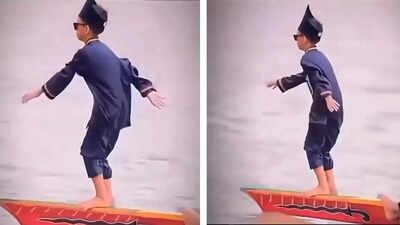
The internet needed a new figure, and a short video of an 11-year-old boy, Rayyan Arkan Dikha, of Indonesia was sufficient to quench the desire. He was caught on camera dancing on a longboat, relaxed and not forced, as though he was not being observed. The style was described by viewers as aura farming, a term intended to describe a style that did not need any visible effort.
It was composed, no demonstration, no description. The focus was not limited to entertainment. He was subsequently made a Tourism Ambassador and what started as a casual clip was made something formal and lasting.
7. Nano Banana AI Miniatures
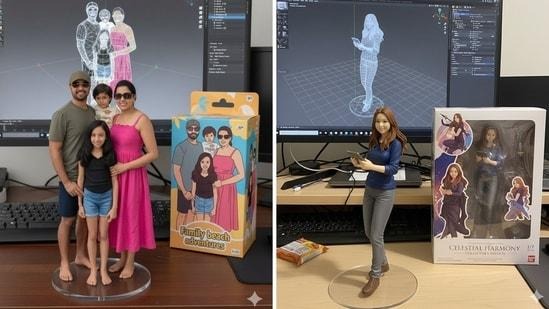
At some stage in 2025 the internet found that small was amusing. The Nano banana trend, as it was called, employed a new AI technology to make individuals smaller so that they looked like toys instead of adults. Faces were depicted in festive dress, traditional or everyday clothes all in miniature.
The consequences were not dangerous, slightly ridiculous, and readily generated. It did not need a specific talent, just a photograph that could be used and the mild interest that keeps most online trends alive.
8. Studio Ghibli AI filter

The other AI novelty pursued another instinct. The update enabled users to re-filter their photos with the effect of old animated movies, which were gentle in colour and full of nostalgia. It was used by people on themselves, on animals and on common landscapes and skies. Everything assumed the same tone. The effect was impressive and since it was easy to apply, it beckoned to be repeated.
9. A Song Lyric That Refused to Leave Our Heads
One phrase, uttered and sung by the dancer Praveen Kumar, entered all corners of the internet. “Vartaman Aankhon Ka Dhoka Hai” was played so many times that its sense lost its importance to its sound. It came along with dances, confessions and edits which appeared to have no relation with each other. The lyrics had a consistent beat and a touch of emotion, and there was just enough excess to fit any mood. Repetition alone kept it sustained.
10. Prashant Instead of Croissant
One of the most durable jokes of the year started with a mistake. One word was pronounced wrongly and croissant became Prashant. Out of this slip came a series of variations which were infinite. The internet had grabbed it with both hands and created memes, short videos, filters, and even commercial tie-ins. The term became a part of everyday speech, not because it was a clever thing to say, but because it was an easy thing to say, unexpected and able to make one smile upon seeing it.
Conclusion
What was memorable about these moments was not their brilliance or deeper meaning, but simply their relatability, the fact that they made millions of strangers feel that they are all in on the same joke. They were not mere memes but miniature time capsules of shared experience, evidence that in a world that is becoming more and more fragmented, we can still connect in the shared experience of laughing at the same silly things.
It was either the discussion of gorilla battle strategy or the unintentional creation of a new name to describe pastry, but the internet of 2025 was reminding us that there are times when the best entertainment is one that needs no explanation whatsoever.
FAQs
Q1: What is “aura farming” and why did it become popular?
Aura farming refers to effortless cool factor, which means appearing good without appearing to make an effort. This was the case with the Indonesian boy dancing on a longboat: he was relaxed, natural, not forced in any way. His nonchalance was refreshing in the age of excessive production and well-managed online identities. The word was popularized and it gave a name to what we all knew but could not quite describe, that magnetic quality of a person who appears not to mind being observed, so that coolness appears to be an accident.
Q2: How did Monalisa Bhonsle’s life change after going viral?
She went from rudraksha garlands at Maha Kumbh Mela to photo shoots, brand endorsements and Bollywood deals all thanks to a photo that was taken to the notice of the internet. In 2025, the internet demonstrated that it could create fame out of nothing, and that it could turn regular individuals into celebrities with no planning or auditioning involved, just one viral moment.
Q3: Were the Labubu dolls actually connected to dark folklore?
Probably not, but the internet is fond of conspiracies. The dolls turned into collectibles in part due to the fact that celebrities such as Rihanna and Kim Kardashian carry them, though commentators on the Internet created elaborate theories that linked them to Pazuzu, a Mesopotamian demon. The speculation, whether innocent accessories or signs of something more sinister, had become one of their attractions. A mystery sells, even when it is artificial.