
Want to reduce the electricity bills, but energy conservation methods are too hectic? Often, the result is efforts leading to no result.
The key to energy independence lies in an effective and affordable solution: solar panels.
With sunlight available almost throughout the year, switching to a solar panel is a smart and cost-saving upgrade. But before investing, it’s important to know the different options you can choose from. Many factors impact the suitability of available options. Here, we offer insights into the most common and quality solar panels to select from.
Know Solar Panels
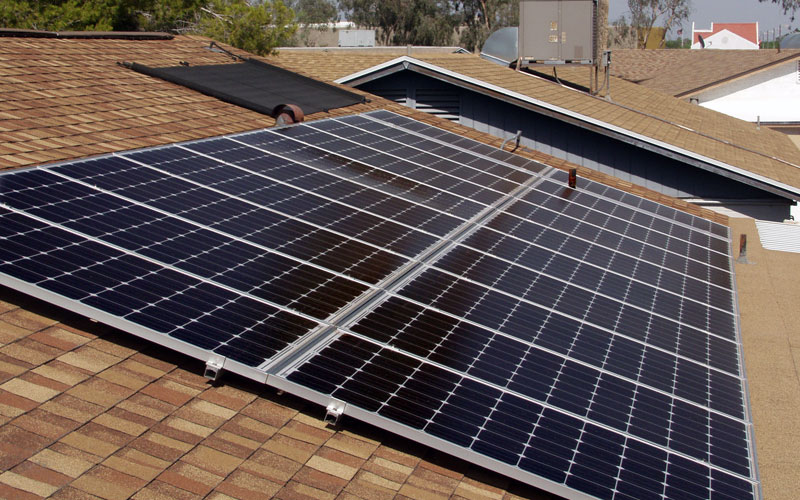
You must have come across the blue or black rectangular titled sheets neatly lined up on the rooftops of homes, offices and schools. These are solar panels working on sunny days to capture the sunlight and turn it into electricity that you can use.
Reducing your reliance on grid electricity, they function silently without fuel consumption. They make use of the natural Indian climate, which witnesses maximum quality sunlight on most days of the year.
Types of Solar Panels
As you start exploring solar panels, you will realise they are not all the same. Different rooftop structures and spaces, budgets and needs are compatible with different solar panel types. Here are the most basic ones, followed by the newer technologies:
Monocrystalline Panels (Mono)
These are the black panels made from a single silicon crystal. They offer higher efficiency and better performance in low light. These panels generate more power per square foot, and hence, you need fewer panels for the same output.
Monocrystalline panels are preferred for their capability to deliver high efficiency. They offer a sleek look and are suited for homes with limited roof space.
Polycrystalline Panels (Poly)
These are the blue-tinted panels made by melting multiple silicon fragments together. Though being an affordable option, they are comparatively less efficient than monocrystalline panels. These panels deliver quality power, but with the requirement of comparatively more space for the same output.
The polycrystalline panels make a popular option due to affordability and reliable performance. They are suited for large roofs.
New technology-based solar panels are also available in the market. Before heading to them, let’s understand what the terms mean. They are PERC and Half-Cut Technology. PERCPassivated Emitter and Rear Cell or PERC is the advanced technology that adds a passivation layer (you can simply understand it as a booster layer, as it boosts efficiency) at the back of each solar cell. It is the reflective layer that reflects unused sunlight into the cell to get a second chance to convert it into electricity. The result is: more energy generation without increasing the panel size. PERC panels handle heat better and also maintain higher efficiency even during peak summer afternoons. Half-Cut Cells Half-cut technology involves cutting each traditional solar cell into two smaller and identical halves. It increases the total number of cells in a panel without changing its size. The result is: the panel works more efficiently with reduced electrical resistance. The panel is also split into two independent sections, each with its own wiring and bypass diodes. This design ensures that if one part of the panel is shaded, dusty or blocked, the other half continues generating power normally. Thus, it imparts them better shade tolerance and improved durability.
Mono PERC Panels
These are monocrystalline panels enhanced with PERC technology. You get the base efficiency of mono panels along with the extra boost from PERC. They perform well in India’s heat and varying sunlight conditions.
Mono PERC Half-Cut Panels
These are the most advanced options among the commonly used residential solar panels. They combine three properties:
- High efficiency of mono cells
- Extra energy capture capability of PERC technology
- Lower losses and better shading performance of the half-cut design
The triple combination enables them to deliver maximum power output. Hence, they are suitable for a home with limited space but high energy needs.
Thin Film Solar Cells
It is another interesting type of solar cells that are made by depositing very thin layers of photovoltaic material like amorphous silicon or cadmium telluride. It leads to the development of extremely thin layers. Thus, the manufactured panels are lightweight, flexible and easier to install on compact roof surfaces. Also, their manufacturing costs are lower.
The thin-film solar panels generally have lower efficiency than traditional solar cells. Hence, they require more space for the same output. However, the better part is their quality performance in low-light or cloudy and high-temperature conditions. These solar panels are affordable options suitable for large rooftops, curved surfaces and commercial installations.
Conclusion
Choosing the right solar panels becomes easy once you get familiar with the details of different types of solar panels. There are available options for affordability, higher efficiency, advanced performance and flexibility. The correct choice of solar panels helps reduce electricity bills while making the home energy smart. If you agree, then what’s stopping you from leveraging free, abundant and reliable sunlight?