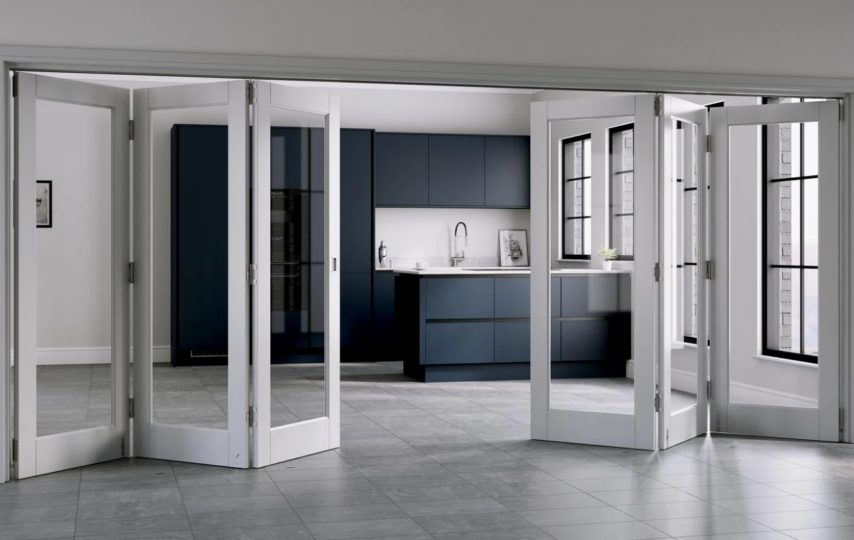

Room door divider solutions have become a go-to upgrade for modern interiors because they let you “edit” your space whenever you need to—without committing to permanent walls. Instead of choosing between an open-plan layout and true privacy, you can have both: a light, airy feel most of the time, and a functional division when you’re working, hosting, or simply craving quieter zones.
The best part is that a divider doesn’t have to look temporary. With the right system—especially sliding glass partitions or well-designed panel dividers—the result feels architectural, intentional, and perfectly matched to the rest of your home.
What a room door divider actually does beyond “splitting a room”
A good room divider isn’t just about creating two smaller rooms. It’s about controlling how your home behaves in different moments of the day. In the morning, you may want sunlight traveling through the space. In the evening, you may want a cozy, separated living area. When guests arrive, you may want to hide the work zone. When kids are asleep, you may want to reduce noise without feeling boxed in.
On Triodoors’ room dividers category page (https://triodoors.ca/room-dividers/), the concept is presented in a very practical way: glass dividers are recommended when you want to keep the room bright while separating zones, and wooden panel dividers are described as warmer and more textured—two different answers to two different lifestyle needs. Triodoors also frames this category as something you can order online with delivery, which matters when you’re planning a renovation timeline.
Where room door dividers make the most sense in real homes:
- Open-plan kitchen + living rooms (light + separation, without losing the feeling of space)
- Home offices in living areas (privacy on demand)
- Bedroom “zones” (sleeping area vs. wardrobe/dressing area)
- Condo layouts where every square foot has to work harder
Choosing the right divider type: glass, panels, or a mixed approach
The divider you choose should match your priorities: light, privacy, sound control, or visual impact. That’s why it helps to think of dividers as “systems,” not décor.
Sliding glass partitions (bright, modern, and visually light)
Triodoors frequently positions sliding glass partitions as a modern way to divide spaces for both residential and commercial interiors. Several product pages (for example, Astori room divider models) describe these partitions as stylish and functional—exactly the balance people want for open-plan living.
A useful detail from Triodoors product specs is that multiple room divider models reference tempered glass and a 6 mm (1/4″) glass thickness with aluminum profiles (seen across Astori room divider listings). This matters because it signals the divider is designed as a durable interior element, not a fragile decorative screen.
Wood or decorative panel dividers (warmth, texture, and stronger privacy)
If your goal is coziness and a more solid visual barrier, panel dividers can feel more “room-like.” They’re also great when you want the divider to match other interior finishes—like wall panels, cabinetry tones, or wood floors.
Triodoors’ category description points to wood dividers as the warm, textured alternative, which is a helpful way to think about the trade-off: you typically gain privacy and mood, while glass gives you light and openness.
Mixed solutions (the “best of both” look)
Many modern projects combine materials: glass for brightness, profiles or framing for character. Triodoors showcases multiple room divider designs under brands like Astori and Dooris, and the variety makes it easier to choose a look that fits minimalist, contemporary, or more decorative interiors.
A short checklist that keeps the decision simple:
- Choose glass if your priority is light, openness, and modern lines.
- Choose panels/wood if your priority is warmth, stronger privacy, and texture.
- Choose a mixed design if you want a statement divider that still feels airy.
Planning details that make the divider feel “built-in” (not like a retrofit)
Room dividers look premium when they’re planned like architecture—aligned with ceiling lines, flooring direction, and door openings. The most common mistake is buying a divider style you love, then realizing it clashes with how the room is used.
Before you order, make sure you decide:
- How the divider will open and “park”
Sliding systems need a clear zone where the panels move. Think about furniture, switches, and walking paths. - What level of privacy you expect
Glass divides space visually and functionally, but it won’t feel like a solid wall. If you need stronger separation, consider tinted glass, more framing, or panel options. - Whether this divider must match your doors
The cleanest interiors repeat the same design language: similar profiles, finishes, and hardware. Triodoors’ main catalog positioning highlights that they carry not only interior doors, but also sliding systems, glass room dividers, wall panels, and door handles—so you can build a coherent look instead of mixing unrelated pieces. - Measurements and customization
Triodoors presents room dividers as an online purchase category and also lists detailed specifications on certain models (such as maximum leaf widths and fixed/sliding panel ranges on Dooris glass divider models), which is useful if your opening is non-standard or your layout needs a specific configuration.
If you want ideas on how dividers behave in open-plan living, Triodoors also publishes an article about designing your space with sliding doors and room dividers—focused on smart solutions for small spaces and open layouts.
When you’re ready to source a divider as a complete interior solution (not just a standalone element), the door shop Triodoors.ca (https://triodoors.ca/) is a practical place to start because it groups room dividers with compatible sliding systems and matching interior components.