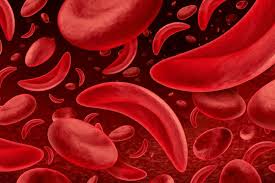

Bone marrow rarely comes to mind when we think about health. Yet every day, it quietly produces billions of blood cells that keep us alive—red cells that carry oxygen, white cells that fight infection, and platelets that stop bleeding. When this system falters, the consequences ripple through the entire body. This is the reality of marrow failure.
Rather than being a single disease, marrow failure describes a breakdown in the bone marrow’s ability to do its most essential job: renewal.
Why Bone Marrow Matters More Than We Realize
Healthy bone marrow works like a highly organized factory. Stem cells divide, mature, and replace aging blood cells at a steady pace. This balance keeps energy levels stable, immunity strong, and healing efficient.
In marrow failure, that balance collapses. Production slows or stops, leaving the body short of the cells it depends on most. Fatigue, frequent infections, and unexplained bruising are often the first outward signs of a much deeper internal problem.
A Condition That Often Develops Quietly
One of the challenges of marrow failure is that it may not announce itself loudly at first. Symptoms often build gradually and can be mistaken for stress, aging, or minor illness.
Common early experiences include:
- Persistent tiredness that doesn’t improve with rest
- Repeated infections or slow recovery from illness
- Easy bruising or prolonged bleeding
- Shortness of breath during normal activity
Because these signs appear across different body systems, the bone marrow is not always immediately suspected.
More Than Low Blood Counts
While laboratory tests reveal low blood cell levels, marrow failure is not just a numbers problem. It reflects a disruption in the regenerative core of the body.
When stem cells lose their ability to renew and differentiate properly, the marrow environment itself becomes unstable. This instability explains why marrow failure often requires specialized, long-term strategies rather than simple supplementation or medication alone.
Why Causes Can Be So Different
Marrow failure can arise from many pathways—immune-related damage, genetic conditions, toxic exposure, infections, or as a consequence of cancer treatment. Despite these differences, the end result is similar: stem cells are no longer able to maintain healthy blood production.
This shared endpoint is why stem-cell–based approaches play such a central role in understanding and treating the condition.
Living With a Compromised Renewal System
People affected by marrow failure often need to adjust daily life around energy levels and infection risk. Activities once taken for granted may require planning, pacing, or additional support.
Emotionally, the condition can be just as demanding. Knowing that the body’s natural repair system is impaired can be unsettling, especially when progress feels slow or unpredictable.
Why Regenerative Thinking Changed Outcomes
For decades, marrow failure was considered difficult to reverse. The shift came with the realization that restoring healthy stem cells could restore the entire system. Instead of treating symptoms alone, regenerative strategies aim to rebuild the marrow’s capacity to function.
This approach reframes marrow failure not only as a deficiency, but as a problem of regeneration—one that modern medicine is increasingly equipped to address.
A Broader Stem Cell Perspective
Marrow failure sits at the heart of stem cell medicine because it directly involves the body’s primary stem cell reservoir. Advances made in this field have influenced treatments for blood cancers, immune disorders, and genetic diseases.
Final Thought
Marrow failure reminds us that health depends not only on organs, but on renewal itself. When the body’s blood factory slows down, every system feels the impact. Advances in stem cell science have turned this once-overwhelming diagnosis into an area of real progress—grounded in the idea that regeneration, when restored, can change everything.
Understanding the condition is the first step toward understanding the solutions.