
The Middle East and North Africa (MENA) region has become the fastest-growing music market globally. While traditional instruments like the oud and qanun still hold their charm, there is a new beat taking over the region. Electronic music has exploded in popularity, transforming from underground gatherings into a massive cultural movement.
This shift isn’t happening in isolation. It is being fueled by a powerful digital-first revolution. In 2024 alone, recorded music revenue in the region jumped by 22.8%, with streaming accounting for a staggering 99.5% of that figure. From Riyadh to Dubai, digital media platforms have replaced traditional gatekeepers, giving local talent a global stage and bringing the world’s biggest DJs to our doorstep.
Digital Media’s Impact on Electronic Music Culture in the Middle East
The way we consume music has changed forever. In the past, radio stations and record labels decided who became a star. Today, that power lies in the hands of the listener, thanks to digital platforms.
The connectivity in the region is unmatched. Users here spend an average of 27 hours a week listening to music, which is significantly higher than the global average. With a young, tech-savvy population, the adoption of digital tools to discover, share, and create electronic music has been rapid. This digital infrastructure has created a “virtual dancefloor” where geographical borders no longer matter.
Key Platforms Fueling the Growth of Electronic Music
Several digital giants and local innovators are responsible for this boom. Each platform plays a unique role in shaping the Electronic Music Culture in the Middle East.
Streaming Services
Streaming is the lifeblood of the modern music industry.
- Anghami: As the first legal music streaming platform in MENA, Anghami has been a pioneer since 2012. With millions of users, it champions “glocalisation” by promoting local producers alongside international stars. Its curated playlists allow fans to discover Arabic electronic fusion tracks that might never make it to mainstream radio.
- Spotify: Since launching in the region in 2018 across 13 countries, Spotify has brought its powerful discovery algorithms to local listeners. Features like the “AI DJ” and localized hubs for genres like “Desert House” help validate regional sub-genres on a global scale.
- YouTube: Video remains king for many. In Saudi Arabia, YouTube is used daily by a vast majority of the population. It serves as the primary hub for watching full DJ sets, festival highlights, and visualizers, making it essential for artist discovery.
Social Media
If streaming is for listening, social media is for discovery and viral growth.
- TikTok: This platform acts as a high-speed discovery engine. Short-form videos allow tracks to go viral overnight. A catchy 15-second remix of an Arabic classic blended with a techno beat can launch an unknown producer’s career instantly.
- Instagram & Snapchat: These visual-first platforms are crucial for the lifestyle aspect of electronic music. They allow artists to build brands and festivals to showcase the scale of their events. In Saudi Arabia, Snapchat is particularly influential among the youth, driving trends and attendance for major events like Soundstorm.
The Role of Specialized Media
While big tech provides the infrastructure, specialized media outlets provide the culture, context, and credibility. General news sites might cover a festival, but dedicated music journalism dives deeper.
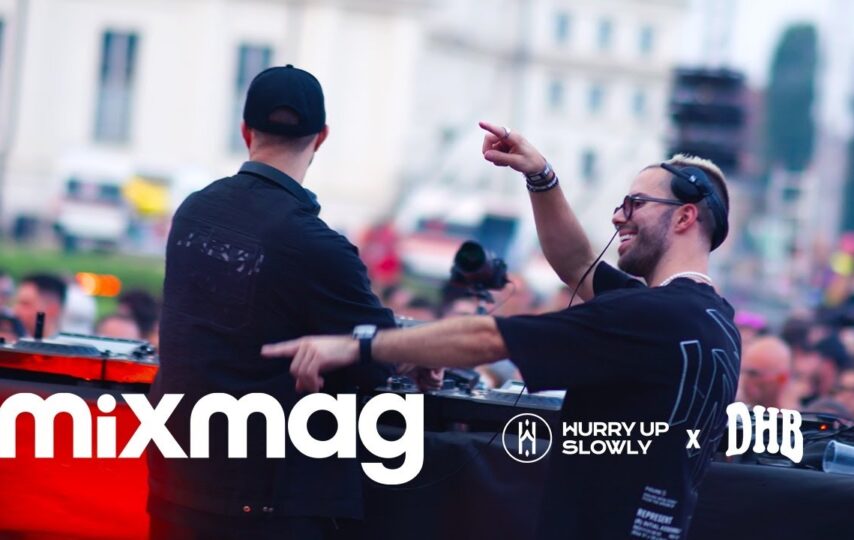
Platforms like Mixmag UAE are essential for documenting the scene. They don’t just list events; they tell the stories behind the DJs, the promoters, and the music itself. By providing professional coverage of nightlife, festivals, and industry news, these platforms legitimize the scene. They serve as a bridge connecting local enthusiasts with the global electronic music community, ensuring that the region’s narrative is told accurately and passionately.
Government Support and Investment
The digital boom is supported by significant real-world investment. Governments across the region, particularly in Saudi Arabia, have recognized the economic and cultural power of entertainment.
Under Vision 2030, Saudi Arabia is investing heavily in its entertainment infrastructure. The General Entertainment Authority (GEA), established in 2016, laid the groundwork for public events that were previously impossible. This support birthed MDLBEAST and its flagship festival, Soundstorm, which launched in 2019.
These initiatives are not just about throwing parties. They are about building an industry. Investments are being funneled into digital infrastructure to ensure that these massive events are broadcast to the world, further amplifying the reach of the region’s electronic music culture.
A Future Powered by Connection
The growth of electronic music in the Middle East is a testament to the power of connection. Digital media has removed barriers, allowing a producer in Cairo to collaborate with a vocalist in Beirut and distribute their track to fans in Tokyo.
As technology evolves, so will the music. We are seeing a rise in “Arabic Electronic Music,” where traditional sounds meet modern production, creating a unique identity for the region. With streaming numbers climbing and government support growing, the volume is only going to get louder.