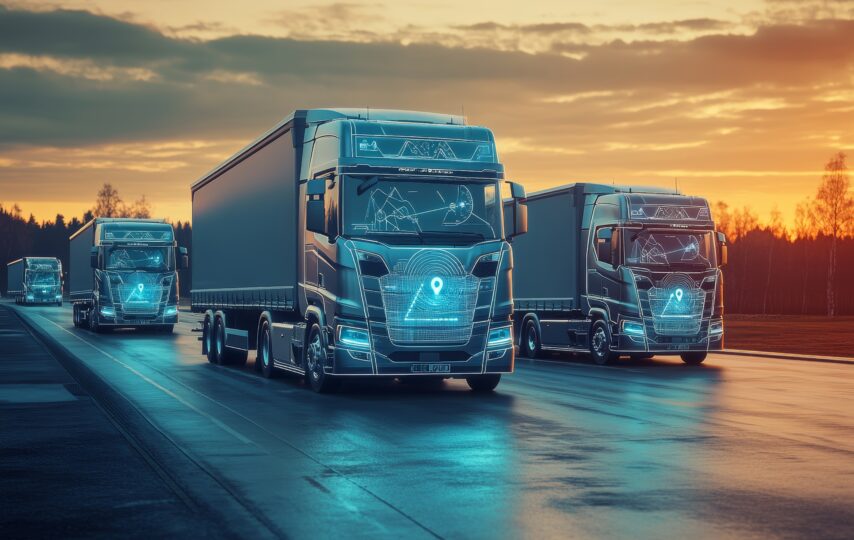

Logistics used to be defined by phone calls, paper trails, and the kind of local knowledge that lived in someone’s notebook. Now, platforms have changed how transport is found, priced, booked, and managed. This shift is not just about convenience. It has changed how coordination works, how trust is built, and how efficiently capacity gets used across roads, regions, and entire supply chains.
Below is a step-by-step breakdown of how logistics has evolved, and what “platform-driven” really means in practice.
Step 1: Recognize what the old model optimized for
Traditional logistics worked best when:
- routes were predictable
- relationships were long-standing
- demand was steady enough to plan in advance
If you needed anything moved, you rang around, asked for availability, compared a few quotes, and hoped the provider you chose had the right equipment and timeline. It could be effective, but it was slow, fragmented, and often difficult to compare fairly.
The biggest limitation was visibility. You could only see the options you happened to contact.
Step 2: Understand what platforms changed first: access
Transport platforms began by solving one simple problem: discovery.
Instead of spending hours contacting providers one by one, customers could post a job once and let multiple transport providers respond. This expanded the market instantly. Customers gained more choice, and providers gained access to jobs beyond their usual circles.
That access becomes even more useful for specialist moves such as Oklahoma vehicle transportation, where you want providers who understand vehicle handling, routes, and timing across the state.
Step 3: Watch how pricing shifted from guesswork to signals
In the manual era, pricing could feel unpredictable. Quotes were influenced by who you called, when you called, and whether the provider already had a similar route planned.
Platforms changed this by encouraging competitive quoting and clearer benchmarks. When multiple quotes are available at once, pricing becomes more transparent. Over time, platforms also create a reference point for what “reasonable” looks like for certain distances, vehicle types, and timeframes.
That helps customers make decisions based on context, not just a single number.
Step 4: See how “matching” became a core capability
The most important platform innovation is not the listing page. It is matching.
Matching is the ability to connect:
- the right provider
- with the right capacity
- on the right route
- at the right time
This is a shift from “find someone who can do it” to “find someone who is already positioned to do it well.” That distinction matters because it can reduce empty miles, cut delays, and improve reliability.
Step 5: Notice how coordination moved into the system
Logistics problems rarely come from movement alone. They come from misalignment:
- collection windows that do not match availability
- unclear handover points
- missing details about access, loading, or vehicle condition
- last-minute changes that are not communicated
Platforms reduce these gaps by making the capture of information more structured up front, then keeping communication in one place. That does not eliminate human error, but it makes coordination easier to manage, track, and correct.
Step 6: Add trust signals that did not exist before
In the traditional model, trust came from referrals, local reputation, or repeated use.
Platform-driven logistics adds trust signals at scale:
- reviews and ratings
- visible transport history
- clearer service expectations
- documented communication trails
This matters because logistics often involves high-value items, tight timelines, or personal stress. The more transparent the system is, the more confidently people can book.
Step 7: Track how the industry began optimizing capacity
A major hidden benefit of platforms is improved capacity utilization.
When providers can fill gaps on routes they are already running, logistics becomes more efficient. Instead of returning empty or driving under-loaded, carriers can take on additional jobs that fit the route and schedule.
This has knock-on effects:
- better income stability for providers
- more competitive pricing for customers
- fewer wasted journeys overall
Wrapping Up
Logistics has evolved from a relationship-based manual system into a platform-driven network where matching, visibility, and coordination are central. The movement still matters, but the strategy around movement matters more than ever.
Platforms have made transport easier to access and simpler to manage, while also pushing the industry towards smarter use of time, capacity, and trust. For everyday customers and transport professionals alike, that evolution has made logistics feel less like guesswork and more like an organized system.