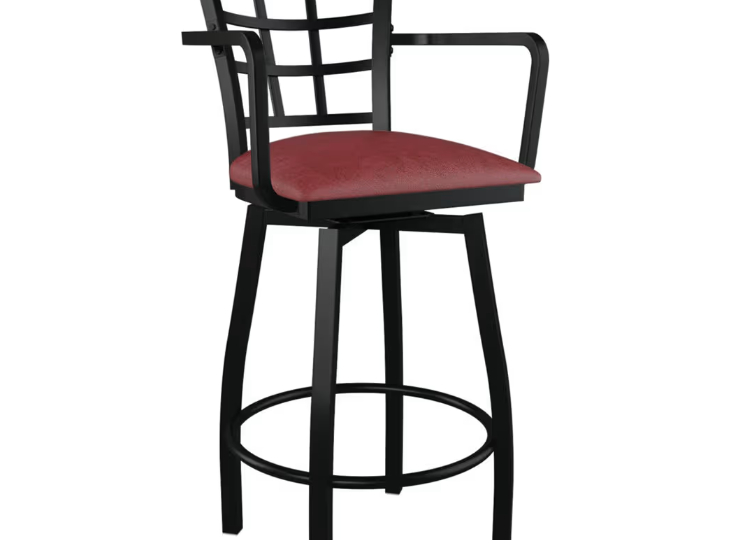

The modern kitchen has quietly transformed into something far more powerful than a place to cook. It is now a workspace, a meeting zone, a homework station, and sometimes even a podcast studio. As hybrid work continues to shape daily life in 2026, millions of professionals split their week between home and office. Surveys show that more than half of remote workers spend part of their day working from spaces never designed for productivity, including kitchen islands and breakfast counters.
This shift has created a new design challenge. How do you protect posture and long-term comfort in a space built for quick meals, not eight-hour video calls? The answer may be sitting right at the counter. Swivel bar stools with backs are emerging as an ergonomic bridge between casual living and structured work, offering support, flexibility, and improved posture in hybrid work kitchens.
The Hybrid Kitchen Is the New Office Corner
Hybrid work is not a passing trend. In the United States, flexible schedules have stabilized at levels well above pre-2020 norms, with many professionals working from home two to three days per week. That means dining tables and kitchen counters often double as desks.
However, traditional counter stools were never designed for sustained sitting. Flat seats without back support encourage slouching. Fixed frames limit movement, forcing awkward twisting when reaching for devices or turning toward a conversation.
Over time, these habits can lead to:
- Rounded shoulders and forward head posture
- Lower back strain from unsupported lumbar areas
- Hip discomfort caused by static seating positions
When kitchens evolve into workspaces, seating must evolve too.
Why Back Support Matters More Than You Think
A stool with an ergonomic backrest offers more than comfort. It actively influences spinal alignment. The human spine has natural curves, and when those curves are unsupported for extended periods, muscles compensate. This compensation often leads to fatigue and tension.
Swivel bar stools with backs introduce two critical ergonomic benefits:
First, the backrest encourages upright posture. Even a moderately contoured back can reduce the tendency to lean forward while using a laptop. Second, support distributes weight more evenly, reducing pressure on the lower spine.
Consider this. Occupational health research consistently shows that supported seating reduces musculoskeletal complaints compared to unsupported seating. While most studies focus on office chairs, the same biomechanical principles apply to counter-height seating. If you are spending three or four hours at your kitchen island, your body does not care whether you call it a chair or a stool. It responds to support, or the lack of it.
The Power of the Swivel Mechanism
Posture is not only about sitting straight. It is also about movement.
Static seating creates stiffness. Repeatedly twisting your torso to grab a notebook, speak to someone in the room, or reach for a second monitor stresses your spine. A swivel mechanism allows the entire seat to rotate smoothly, reducing the need for abrupt body turns.
This subtle feature has a meaningful long-term impact. Instead of rotating your lower back, you rotate the stool. Instead of straining your neck to glance at another screen, you turn with ease.
In hybrid kitchens where multitasking is constant, swivel functionality promotes natural motion patterns. Movement becomes fluid rather than forced. Over time, that difference can translate into fewer aches and improved daily comfort.
Height, Alignment, and Counter Compatibility
Ergonomics is deeply tied to proportion. The ideal seated posture keeps the feet supported, the knees at approximately 90 degrees, and the elbows level with the work surface. Kitchen counters typically stand around 36 inches high, while bar-height counters may reach 42 inches.
Choosing the correct stool height ensures that:
- Shoulders remain relaxed instead of lifted
- Wrists stay neutral while typing
- Thighs are supported without excessive pressure under the legs
Swivel bar stools with backs are often available in both counter-height and bar-height options, making them adaptable to different layouts. The right match between seat height and surface height can dramatically improve alignment during long calls or writing sessions.
For hybrid professionals, this is not a luxury detail. It is the foundation of sustainable daily work.
Designing for Wellness Without Sacrificing Style
Many homeowners hesitate to introduce office-style furniture into their kitchens. They want warmth, not corporate vibes. Fortunately, ergonomic innovation no longer means sacrificing design.
Today’s swivel bar stools with backs blend supportive structure with elevated aesthetics. Upholstered backs provide cushioning and visual softness. Metal frames offer stability with modern appeal. Wood finishes maintain a residential feel while still supporting proper posture.
Imagine a kitchen island that transitions effortlessly from morning coffee to an afternoon strategy session. The seating looks intentional, not improvised. It feels inviting, yet it performs like a thoughtful ergonomic solution.
This balance reflects a broader trend. Wellness-driven design is expanding beyond gyms and bedrooms into every corner of the home. Kitchens, as central gathering spaces, are leading the way.
Small Design Shifts, Long-Term Impact
The next step for hybrid households is simple: audit your kitchen workspace honestly.
Ask yourself how many hours per week you sit at your island. Notice whether you lean forward during video calls. Monitor lower back fatigue at the end of the day. These signals reveal whether your seating supports your lifestyle.
Investing in swivel bar stools with backs can enhance the work-from-home experience. The change may feel subtle at first. You sit taller. You rotate instead of twisting. You feel supported rather than perched.
Over months and years, those subtle improvements compound. Better posture contributes to increased focus, reduced discomfort, and greater overall well-being. In a world where work and home blend seamlessly, comfort and health should not be afterthoughts.
A Future Built Around Smarter Sitting
Hybrid work is redefining what a productive space looks like. The kitchen is no longer just about meals. It is about collaboration, creativity, and connection.
Seating that supports this reality is not a trend. It is an adaptation to how we truly live. Swivel bar stools with backs represent a thoughtful response to modern needs, combining flexibility, support, and design harmony.
As you imagine the next evolution of your home, consider the quiet influence of where you sit. The right stool can do more than complete a room. It can help protect your posture, encourage movement, and make your hybrid workdays feel naturally aligned with your body.