
When a small business owner in India starts a new financial year, the thought of managing taxes often adds unnecessary stress. We have moved past the days of heavy ledgers, but the digital world can sometimes feel just as crowded with too many choices for recording your sales. The shift toward online GST billing software is about more than just printing a piece of paper for a customer. It is about ensuring that every entry you make today helps you avoid headaches when it comes time to file your returns later. The right tool acts as a quiet partner, handling the complex math while you focus on the actual work of running your shop or service.
Making Sense Of The Digital Transition
Moving your billing to a cloud system means your data is not just stored on a single computer in a back office. Business owners now need to check their sales or stock levels from home or while traveling between branches. When you choose a system, look for one that feels natural to use rather than one that requires a month of training. A good interface should allow you to select a product, apply the correct HSN code, and calculate the tax split between CGST and SGST in a single flow. This is a realistic observation: if the software is too hard for your staff to learn, they will likely make mistakes that will likely cost you more in the long run during an audit.
One of the most practical things about using a digital assistant is how it handles the “Input Tax Credit,” which is basically your own money that you want to claim back. If your billing is not linked to your purchases, you might lose out on these credits simply because you forgot a single invoice from a supplier.
Busy is among the best software for medical stores and other businesses that offer a grounded way to keep these records in sync, so your sales and purchase data always talk to each other. This kind of software is what separates a simple calculator from a true management tool. It is much easier to sleep at night when you know your tax liability is being calculated accurately every time you press “print” on a new bill.
Staying Ready For The Tax Portal
The real test of any software comes when the filing deadline is just a few days away, and you need to submit your data to the government portal. A system that can generate a JSON file or an Excel report in the exact format required by the portal saves you hours of manual data entry.
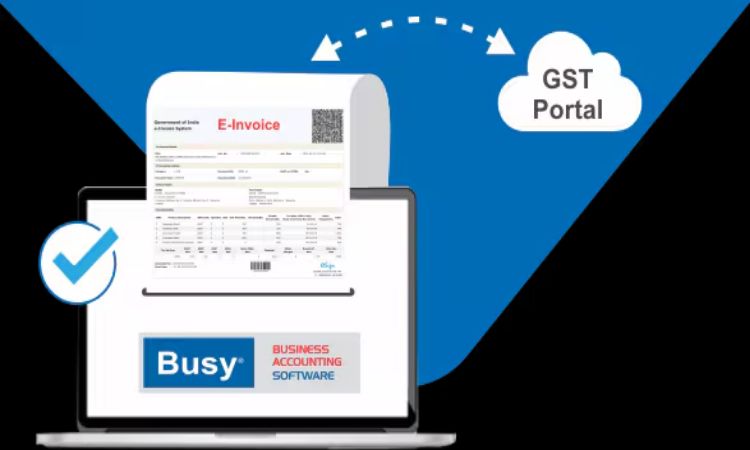
Many people find that their relationship with their Chartered Accountant improves significantly once they switch to a reliable system because the data is clean and ready for review. You should also look for a tool that can handle e-invoicing and e-way bills directly as your business approaches those higher turnover limits. This prevents you from having to log into multiple websites just to move your goods from one city to another.
Security is another area where a cloud-based approach really shines, even if it feels a bit strange to not have a physical copy on your desk. Servers are backed up every day, which means a spilled cup of tea or a hard drive crash will not wipe out years of your financial history.
Most modern systems also allow you to set up different roles for your employees so that a salesperson can make a bill, but they cannot see your overall profit and loss statements. This level of control is a simple way to help you scale your business without worrying about who is viewing your sensitive numbers. It is a small detail, but keeping your data secure and accessible is the best way to maintain your peace of mind as the business grows.
Ultimately, the goal of selecting a new tool is to find one that grows with you rather than one you will outgrow in six months. Whether you are running a single retail shop or a large distribution network, the technology should work for you and not the other way around.