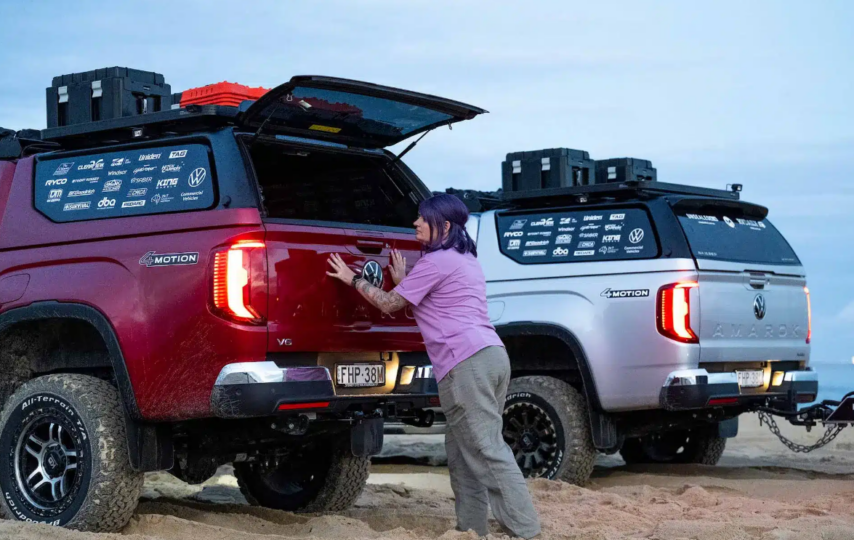

Choosing the right ute canopies starts with how your vehicle is actually used. Once fitted, a canopy changes the way your tray works, from open load space to enclosed storage that handles tools, touring gear, or both. The details matter because they affect access, weight, and everyday convenience.
What Should You Consider Before Choosing a Canopy?
Look at your usual routine. If your 4×4 carries a fridge slide, recovery boards, and camp equipment into dusty regions, a full enclosure with proper sealing often feels worthwhile. You may notice how quickly fine dust settles into loose tubs without it. If your tray shifts between job-site tools and weekend gear, leaving some open space at the rear can make loading bulky items less frustrating.
Length changes the balance of the vehicle. An 800 mm canopy keeps part of the tray exposed for larger cargo. A 1600 mm or 1800 mm unit encloses most of the tray and creates a defined storage area that suits longer trips. For operators running a business vehicle fleet, consistent canopy sizing across vehicles can simplify shelving layouts and equipment transfers.
Aluminium construction is common because it offers strength without excessive weight. Once roof racks or spare-wheel mounts are added, keeping overall weight under control becomes more noticeable on the road.
Are Gullwing and Jack-Off Designs Practical for Your Setup?
Access style shapes how you interact with your gear. Gullwing doors lift from the side, allowing you to stand beside the tray and reach straight into shelving. When parked on uneven ground, that side access can feel easier than climbing in repeatedly.
A jack-off canopy allows removal when full tray height is needed. If you occasionally carry tall equipment or materials that will not fit under a fixed roof, lifting the canopy off restores open capacity. This flexibility can suit owners who move between trade work and touring throughout the year.
After installation, compliance still matters. Your ute must meet registration standards and pass vehicle inspections at an Authorised Inspection Station. Secure mounting and sensible weight-distribution decisions reduce the chance of issues during licensing.
Should You Consider a Dog-Box Configuration?
An integrated dog-box canopy is designed for owners transporting working dogs across regional areas. A partial layout leaves space beside the kennel for tools or camping gear. A full-width dog box dedicates most of the interior to animal transport, which may suit handlers travelling regularly for work or competition.
If dogs are not part of your setup, interior layout becomes the focus. Think about how you unpack at camp. Recovery gear that sits near a side door is easier to access than equipment pushed to the front wall. Small placement choices often shape how smoothly trips run.
How Do Size and Finish Influence the Final Build?
Overall canopy size affects storage and how the ute feels when loaded. Compact canopies leave some tray space open, which can make it easier to carry larger items when needed. Extended versions create a fully enclosed rear section that supports extended touring where secure storage is part of the plan.
Finishing is usually practical. Raw alloy offers a durable work-ready look. Powder-coated options in black or white can align more closely with factory paintwork for daily-driven vehicles.
To explore durable aluminium canopy options built for Australian conditions, visit Australian Performance Boxes.