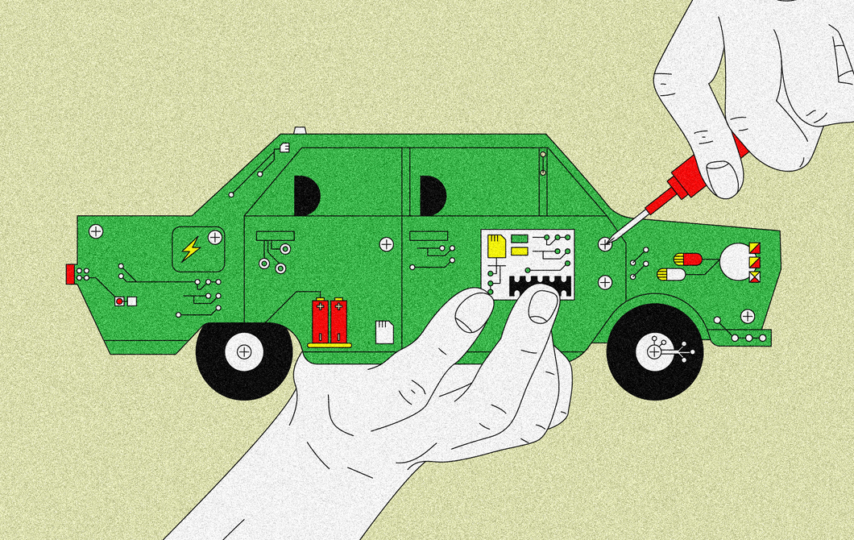

Electric cars were once considered futuristic concepts, often viewed as experimental vehicles with limited range and simple technology. Over the past decade, however, rapid innovation has transformed electric vehicles into highly advanced machines. They are now packed with intelligent features, impressive performance capabilities, and cutting-edge connectivity. As a result, today, electric cars represent one of the most technologically sophisticated developments in the automotive world.
As technology continues to evolve, electric vehicles are redefining how drivers interact with their cars and how transportation fits into a modern lifestyle.
Early Electric Vehicle Technology
Early electric cars focused mainly on basic functionality, providing an alternative to gasoline-powered vehicles. While these models proved the concept of electric mobility, they often struggled with limitations such as shorter driving ranges, longer charging times, and fewer technological features.
Battery technology was still developing, and charging infrastructure was limited. Because of these constraints, electric vehicles were often seen as niche products rather than practical everyday transportation. However, these early innovations laid the foundation for the advanced electric vehicles available today.
Advances in Battery Technology
One of the most significant technological improvements in electric cars has been battery development. Modern lithium-ion batteries are more efficient, lighter, and capable of storing far more energy than earlier designs.
These improvements have dramatically increased driving range while reducing charging time. Many modern electric vehicles can travel hundreds of miles on a single charge, making them far more practical for daily commuting and long-distance travel. As battery technology continues to evolve, manufacturers are also exploring solid-state batteries and other innovations that could further enhance energy storage and performance in the future.
Intelligent Software and Smart Features
Electric vehicles today are more than just cars; they function almost like smart devices on wheels. Advanced software systems allow drivers to monitor battery levels, track charging status, and manage vehicle settings directly through mobile apps. Many vehicles also feature over-the-air software updates that can improve performance, add new features, or enhance safety systems without requiring a visit to a service center. This level of connectivity reflects how technology has reshaped the driving experience.
Drivers exploring Ford electric vehicles Los Angeles options often notice how modern electric models integrate digital dashboards, large touchscreen displays, and smart navigation tools designed specifically for EV driving. Take a look as you Shop Ford Electric Vehicles Near Me.
Enhanced Performance and Driving Dynamics
Another area where electric vehicle technology has evolved is performance. Electric motors provide instant torque, allowing vehicles to accelerate quickly and smoothly. This responsiveness creates a driving experience that feels both powerful and refined.
Unlike traditional engines, electric motors deliver power immediately, which can improve overall efficiency and driving enjoyment. Combined with advanced traction control and regenerative braking systems, modern electric vehicles provide both performance and energy efficiency.
Improved Charging Infrastructure
Charging technology has also advanced significantly in recent years. Fast-charging networks are expanding rapidly, making it easier for drivers to recharge their vehicles at home, at work, or during long trips. Home charging stations allow many EV owners to start each day with a fully charged vehicle, while public fast chargers can add substantial range in a short amount of time. This growing infrastructure has helped electric vehicles become more practical for everyday use.
Advanced Safety and Driver Assistance
Modern electric vehicles also incorporate sophisticated safety technologies. Driver assistance systems such as adaptive cruise control, lane-keeping assistance, and automated emergency braking help make driving safer and more comfortable. These features rely on sensors, cameras, and advanced software algorithms to monitor road conditions and assist the driver when necessary.
The Future of Electric Vehicle Technology
The evolution of electric car technology is far from complete. Researchers and manufacturers are constantly working on innovations that will further improve battery efficiency, reduce charging times, and enhance vehicle connectivity. As these advancements continue, electric vehicles will likely become even more integrated with smart cities, renewable energy systems, and connected transportation networks.