

Heat is one of the most fundamental forces shaping human experience, and yet most people rarely think carefully about the quality of the heating systems they use until those systems fail them.
Whether the context is a living room on a cold winter evening or a laboratory processing sensitive scientific samples, the difference between adequate heating and truly precise, well-engineered heating is far greater than it might initially appear.
Heat as a Tool, Not Just a Comfort
For most of human history, warmth was a survival necessity measured in degrees of cold kept at bay rather than a refined and controllable input.
The evolution of heating technology over the past century has transformed heat from a blunt instrument into something far more sophisticated, a tool that can be calibrated, distributed evenly, and matched precisely to the requirements of any given environment or application.
This shift has played out simultaneously across two very different worlds: the domestic spaces where people live, rest, and recover, and the professional environments where science, medicine, and industry depend on controlled thermal conditions to achieve repeatable, reliable results.
Why the Home Heating Market Has Changed Dramatically
Australian homeowners have grown considerably more discerning about the way their homes are heated over the past decade.
The expectation that a heater should simply make a room warm enough has been replaced by a more demanding set of requirements that includes energy efficiency, aesthetic integration, smart controllability, and long-term reliability without maintenance burden.
This shift has driven strong demand for electric wall-mounted heating solutions that move away from the bulky, inefficient panel heaters of previous generations.
Modern electric wall heaters use advanced thermal core technologies, programmable thermostats, and smart home connectivity to deliver heat that is both more comfortable and significantly more economical to run than older alternatives.
Design as an Equal Priority to Performance
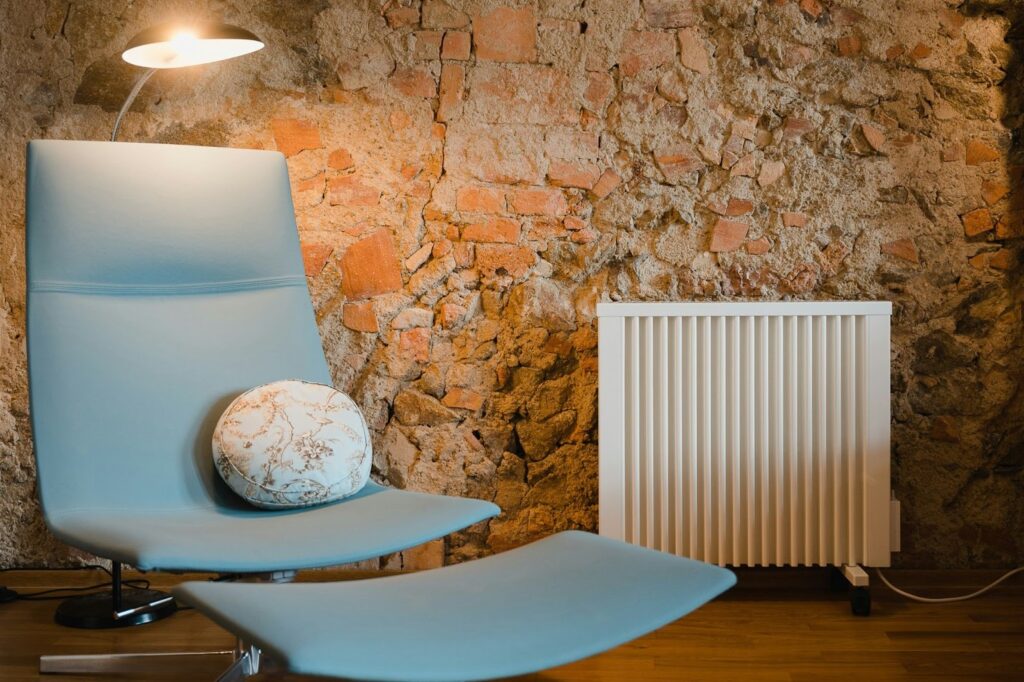
One of the more striking developments in the residential heating category is the emergence of products that treat design as seriously as thermal output.
For a long time, heaters were functional objects to be tolerated rather than celebrated, typically hidden behind furniture or tucked into corners where they would cause the least visual disruption.
The market for stylish electric wall heater solutions has changed that expectation entirely, with European-designed models now available that function as architectural features in their own right, bringing a sculptural quality to walls that previously offered no visual interest at all.
German-engineered products such as the Technotherm range, stocked by design-focused retailers like Oblica, feature Magmatic stone core technology that delivers even, gentle radiant heat while consuming up to 30 per cent less electricity than traditional oil-filled panels, all within a form factor that complements rather than interrupts a considered interior.
Smart Controls and the All-Electric Home
The integration of digital controls, app connectivity, and voice-command compatibility has made electric wall heating one of the most practically advanced home systems available to Australian homeowners today.
The ability to program heating schedules room by room, monitor energy consumption in real time, and adjust temperature remotely means that modern electric heating systems bear very little resemblance to the simple on-off switches of older generations.
For households transitioning to fully electric setups, including those already running solar panels and battery storage, smart electric heating integrates seamlessly into the broader energy management picture.
Unlike gas systems that require ongoing supply contracts and combustion infrastructure, electric wall heaters can draw power from renewable sources and be scheduled to run during periods of peak solar generation, reducing both environmental impact and running costs simultaneously.
The Parallel World of Precision Heating in Science and Industry
While designers and homeowners have been refining the art of comfortable domestic heating, an entirely separate but equally sophisticated evolution has been taking place in laboratories, manufacturing facilities, hospitals, universities, and research institutions.
In these environments, heat is not about comfort but about process control, and the consequences of imprecise thermal management can range from ruined samples to failed compliance audits.
A laboratory oven is the industrial counterpart to the domestic heater in this sense: a device whose fundamental purpose is to deliver controlled, reliable, and evenly distributed heat, but within tolerances and to specifications that are orders of magnitude more demanding than anything required in a home setting.
Whether the application is drying biological specimens, sterilising glassware, testing bitumen samples for road construction quality assurance, or processing pharmaceutical compounds under strict regulatory conditions, the oven must deliver the right temperature consistently, repeatedly, and without deviation.
What Makes a Laboratory Oven Different from Ordinary Heating Equipment
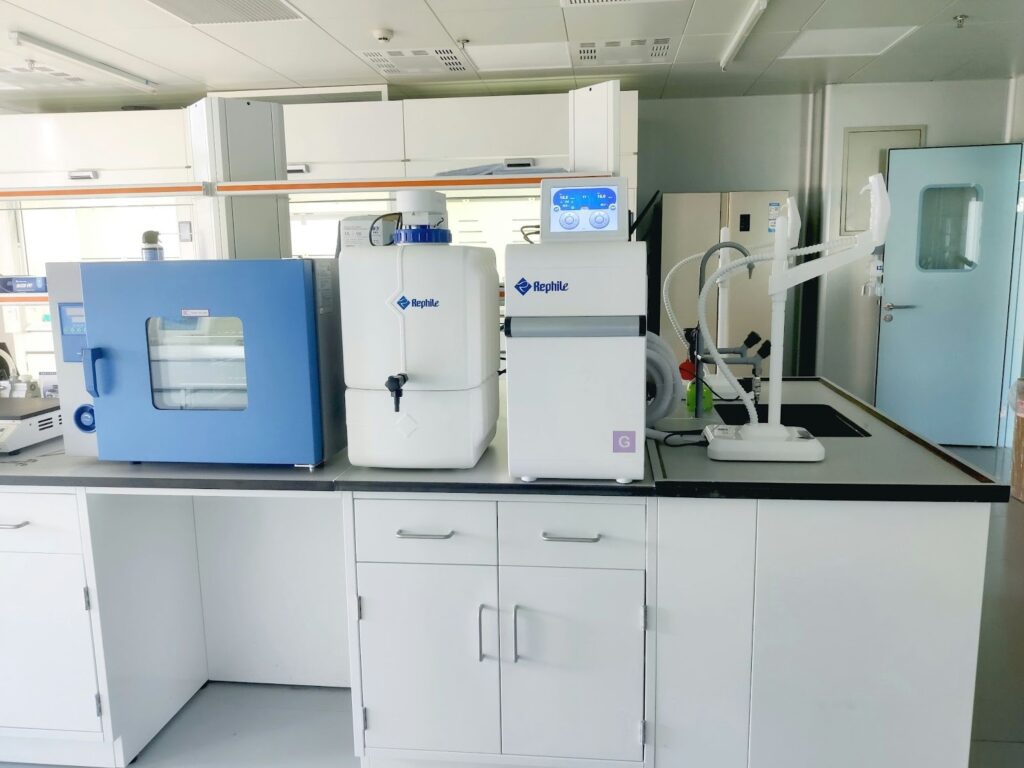
The engineering requirements behind a quality scientific oven are substantially more complex than those governing domestic heaters, even premium ones.
Temperature uniformity across the entire internal chamber must be maintained within narrow tolerances, airflow patterns must be designed to prevent hot and cold spots, and safety systems must account for scenarios such as solvent vapour accumulation or pressure changes during sealed thermal processing.
Australian manufacturer Labec, operating since 1945 and ISO 9001:2015 certified, produces one of the most comprehensive ranges of laboratory ovens in the country, spanning general-purpose drying units and high-performance scientific ovens for pharmaceutical and material research applications.
Flame-proof models for volatile substance processing, and highly specialised designs such as rolling thin film ovens for bitumen testing and vacuum drying ovens for heat-sensitive or oxidisation-prone samples.
The Common Thread Between Both Worlds
What connects the elegantly designed electric wall heater in a Melbourne apartment and the precision general-purpose oven in a Sydney university research lab is more fundamental than the technology itself.
Both represent an acknowledgement that the quality of thermal management has direct consequences for outcomes, whether those outcomes are measured in human comfort and wellbeing or in the reproducibility of scientific data and the safety of laboratory processes.
Choosing heating equipment without regard for quality, precision, and long-term reliability is a false economy in both contexts.
The household that selects a poorly made panel heater will pay for it in higher energy bills, inconsistent warmth, and early replacement costs, while the laboratory that cuts corners on oven specification will eventually face the far more costly consequences of unreliable results, failed audits, or equipment failure at a critical moment.
Investing in Quality Heating at Every Scale
The lesson that connects both ends of the heating spectrum is that the upfront investment in well-engineered, purpose-designed thermal equipment consistently delivers superior long-term value over cheaper alternatives that sacrifice precision, durability, or safety for a lower initial price point.
This is as true for a homeowner choosing between a budget panel heater and a premium smart electric radiator as it is for a laboratory manager deciding between a locally manufactured, compliance-certified oven and a cheaper imported unit with limited support.
Heat, in all its applications, rewards thoughtful investment and punishes shortcuts, and the growing sophistication of both domestic and professional heating technology means that Australians across every context now have access to solutions that meet the highest possible standards of performance, efficiency, and design.