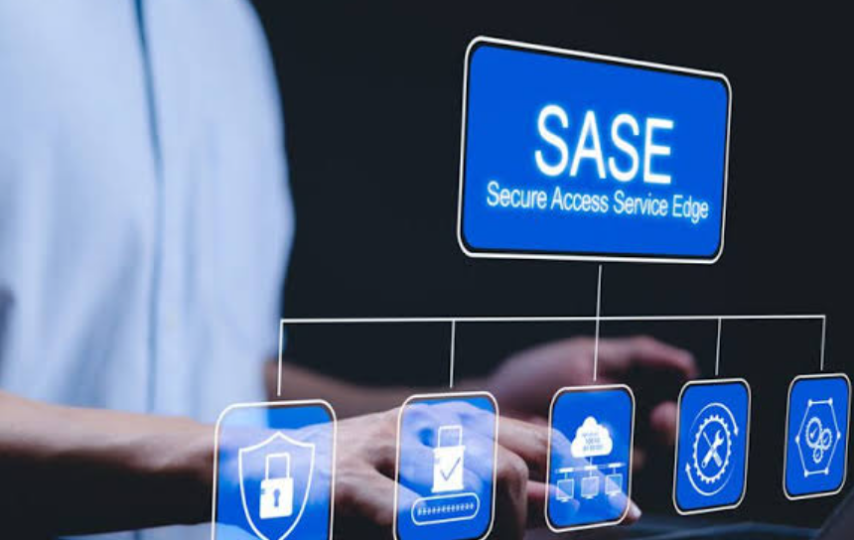

As businesses expand their digital footprint, traditional network security models are struggling to keep up. Remote work, cloud adoption, and increasingly sophisticated cyber threats have exposed the limitations of legacy systems that rely on fragmented tools and perimeter-based defenses. This is where secure access service edge (SASE) steps in to offer a smarter, more streamlined approach.
What Is SASE and Why It Matters
SASE is a cloud-delivered security framework that combines networking and security functions into a single, unified solution. Instead of relying on multiple point products like VPNs, firewalls, and secure web gateways, SASE integrates these capabilities into one platform that operates closer to the user and the data.
This shift is important because modern business environments are no longer confined to a single location. Employees access systems from home, on the road, and across different devices. SASE ensures consistent protection regardless of where users are connecting from, without adding unnecessary complexity.
Simplifying Security Through Consolidation
One of the biggest advantages of SASE is its ability to replace a patchwork of tools with a single, cohesive system. Managing multiple security vendors can create gaps in coverage, increase administrative overhead, and slow down response times.
By adopting a SASE platform, organizations can centralize their security operations. This means fewer dashboards to monitor, fewer policies to manage, and a clearer view of network activity. IT teams can spend less time juggling systems and more time focusing on strategic initiatives.
Enhancing Protection Without Adding Complexity
A common concern when simplifying security is whether protection will suffer. With SASE, the opposite is true. Because it is cloud-native, SASE can deliver real-time threat detection and response across all endpoints and users.
Key security features such as zero trust network access, secure web gateways, and cloud access security brokers are built into the framework. These tools work together to continuously verify users, monitor behavior, and block threats before they can cause damage.
This integrated approach reduces the risk of misconfigurations, which are often a major cause of security breaches in traditional setups.
Supporting Scalability and Performance
Another major benefit of SASE is its scalability. As businesses grow or adapt to changing demands, their security infrastructure needs to keep pace. Traditional systems often require hardware upgrades or complex reconfigurations to scale effectively.
SASE eliminates these challenges by operating in the cloud. Organizations can quickly add new users, locations, or services without significant investment or downtime. At the same time, performance is improved because traffic is routed through optimized cloud networks rather than backhauling data to centralized data centers.
Future-Proofing Network Security
Cyber threats are constantly evolving, and businesses need solutions that can adapt just as quickly. SASE provides a future-ready framework that aligns with modern IT environments, including hybrid work and cloud-first strategies.
By simplifying security architecture while strengthening protection, SASE allows organizations to stay agile without compromising safety. It reduces complexity, improves visibility, and ensures that security measures keep up with the pace of digital transformation.
For businesses looking to modernize their approach, SASE offers a clear path forward that balances simplicity and robust defense.