
OpenAI’s attempt to enter the hardware trade now appears to be moving somewhat faster than had been expected. The analyst Ming-Chi Kuo claims that the company may begin large-scale production of its first AI-centred smartphone during the opening half of 2027. Not long ago, the same project was generally believed to belong to 2028 or later. The change is only by a year, yet in the technology industry a year is enough to alter the whole temper of a venture. One gets the impression that the matter has ceased to be speculative and has become urgent.
OpenAI May Be Accelerating Its Smartphone Ambitions
In a note published on X, Kuo suggests that OpenAI has accelerated its schedule, perhaps because it wishes the device to appear alongside some larger financial event. Earlier reports connected the project with chip work involving MediaTek and Qualcomm, while manufacturing duties were expected to fall chiefly upon Luxshare. Of these companies, MediaTek is now thought the more probable supplier. None of this, however, points to a vast or immediate invasion of the smartphone market.
The estimated figures remain comparatively restrained. Kuo believes total shipments across 2027 and 2028 together may reach thirty million units. In ordinary circumstances that would sound an imposing number, yet beside the scale of the existing market it becomes almost modest. Apple and Samsung are each capable of selling roughly twice that amount in a single quarter. The first OpenAI phone therefore seems less like a universal consumer product than a cautious opening move, designed to test habits and loyalties before any larger advance is attempted.
Leaked Hardware Details Hint at an Always-Aware AI Device
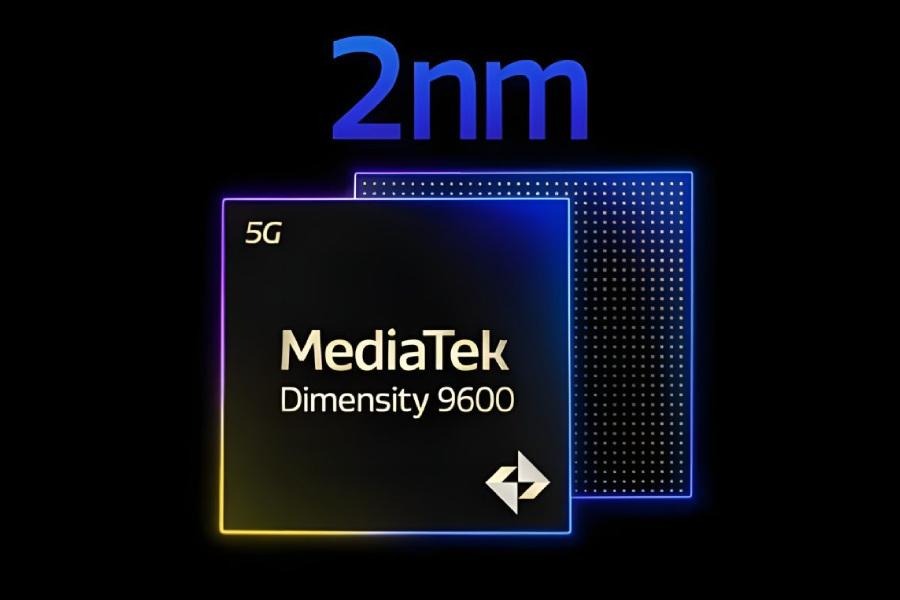
The OpenAI phone will likely use a modified version of MediaTek’s Dimensity 9600 processor. TSMC plans to build the chip on its coming N2P process. In plain language, this means a newer method of making chips, one that wastes less power and works at greater speed. That matters if the device must carry out AI tasks all day without exhausting itself.
Particular attention seems to have gone into the image signal processor, or ISP. This part of the chip governs the way the camera interprets what stands before it. The new HDR system does not merely aim at prettier photographs. Its purpose is larger than that. The phone must recognise objects, movement, and surroundings as they happen. It must, in a sense, keep watch upon the world continuously.
The processor will also contain two NPUs, the specialised sections that deal with artificial intelligence work. A dual arrangement of this kind suggests that the device can divide its attention between separate tasks at the same moment. One system may handle direct assistance to the user while another studies behaviour and context in the background. The ambition, plainly, is to create a phone that does not simply respond when spoken to, but remains quietly attentive at all times.
Privacy and On-Device Security Could Become OpenAI’s Biggest Selling Point

The phone will also receive faster memory and storage. It may use LPDDR6 RAM together with UFS 5.0 storage, both newer standards intended to move information with less delay. Such improvements matter when several AI systems operate at once. A machine that constantly listens, observes, and calculates cannot afford too many pauses. Speed ceases to be a luxury and becomes a necessity.
Security, too, appears to occupy a central place in the design. Features such as pKVM allow sensitive information to remain inside a protected compartment, separate from the rest of the system. Inline hashing checks whether data has been altered or corrupted while in use. These details may sound technical, yet they point toward a simple fact. As more personal activity shifts onto the device itself, the danger of exposure grows with it. The phone must therefore watch over private information as carefully as it watches over its owner’s habits.
Jony Ive’s Mysterious Screenless Gadget Is Still in Development
Meanwhile, OpenAI is still developing another device with Jony Ive, who was Apple’s design chief. This second device was said to be the first to get rid of the traditional screen. Rather, it relies more on voice, sound and silent modes of interaction, which are more present in the background of everyday life. Little is known about it at this time.
OpenAI is not just looking to make one smart phone, it’s looking to make many. The company seems to envision a larger ecosystem of devices, some of which are visible and need to be looked at, others are almost invisible, and that operate without requiring the user to look at a screen.
OpenAI May Be Building an Entire AI Hardware Ecosystem
Apple and Samsung are still working on integrating AI into their current products, but the smartphone’s core design remains largely unchanged. The user still navigates from application to application, clicking on icons on a screen, as before. AI is primarily an add-on to the traditional approach, rather than a substitute.
OpenAI seems to be after something else. It’s goal is to make AI the primary means of control, with conversation, prediction, and constant interpretation being the primary means. That’s a much more significant change than a few nifty tools. The success of such a device will rely more on the ability of the ordinary individual to live with it than on its technical features.
So far, this has little impact on the typical consumer. The AI capabilities have been steadily enhancing from year to year, and the existing flagship phones offer a polished and familiar experience. The OpenAI device is still far enough away to be somewhat of a wild card. It will depend on one question. Whether it’s able to convince people that there is a better way to use a phone than the way they’ve been using it?
Final Words
The rumoured phone from OpenAI still sounds more like the first chapter of an altogether more bizarre tale. If the leaks are true, the company is not just going head to head with Apple or Samsung in terms of camera, processor or battery performance. It seems to be challenging the concept of what a smartphone should do. The constant listening, predicting and subtle understanding of context may either seem magical or incredibly draining, depending on the balance OpenAI strikes between convenience and privacy.
But for the time being, Android or iPhone users need not be alarmed and throw their chargers across the room. The project is still abstract, experimental and somewhat enigmatic. However, in a business where most “innovation” comes in the shape of a more shiny rectangle, even the chance of a different approach is sufficient to get the market’s attention.