
The future imagined by science fiction has arrived, though not in the shape people expected. The skies are not crowded with flying cars. Yet there are signs of progress in more modest forms. Driverless taxis operate on public roads, and small gadgets move through our houses collecting dust from the floor. It is a quieter future than the one that was promised, but it is a future nevertheless.
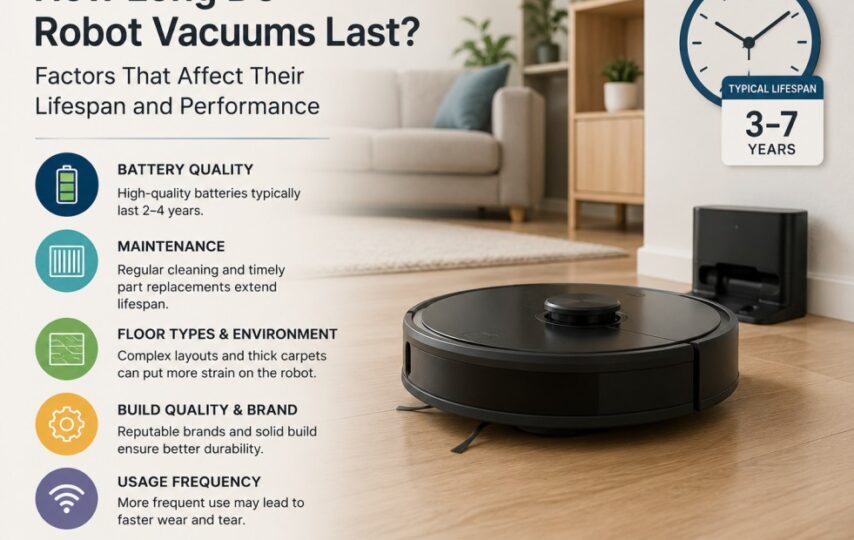
The second of these inventions has become particularly common, especially in homes where pets make a constant supply of hair and dirt. Like every household machine, however, a robot vacuum does not go on forever. Its useful life depends on its quality, how often it is used, and the care it receives. Most will last somewhere between four and six years before age begins to show itself. Batteries hold less charge, moving parts wear down, and repairs become more frequent.
A gadget that is looked after properly will usually serve for longer. Cleaning brushes, replacing worn components, and carrying out ordinary maintenance can delay the day when replacement becomes necessary. Some models are sturdier than others, but none are exempt from wear.
Meanwhile, technology continues its slow advance. It is possible that the humble robot vacuum of today is only an early stage in a longer development. One day the gadget that cleans the floor may also fold laundry, wash dishes, answer the door, and perform a variety of other routine tasks. For now, however, it remains a useful but limited device, doing one job that many people are happy to leave to a machine.
What Determines the Working Life of a Robot Vacuum?
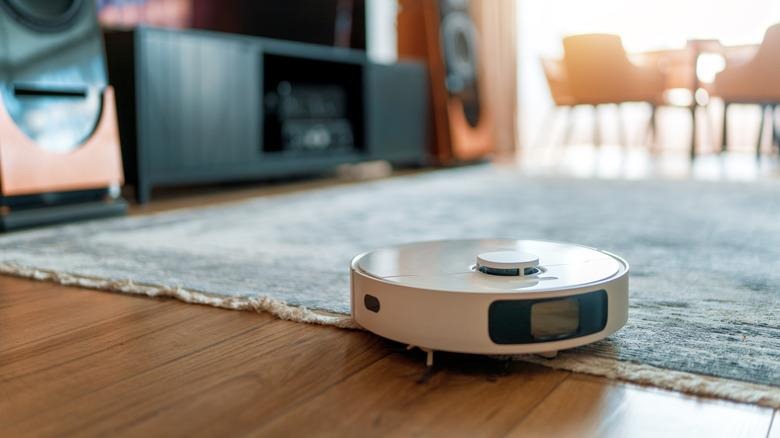
No two robot vacuums have quite the same working life, but a few factors matter in almost every case. Build quality is one of them. Better machines usually use stronger parts and stand up to daily use for longer. Their wheels last longer. Their sensors fail less often. In most cases, they also clean more effectively.
How often you use the machine matters as well. A robot that runs every day puts more strain on its brushes, motors, and moving parts than one that works only a few times each week. The size and shape of the home also play a part. A larger house means longer journeys and more work. Homes with pets create another problem. Hair wraps itself around brushes and wheels and slowly wears them down.
Simple Maintenance Tips That Keep Your Cleaner Running Longer
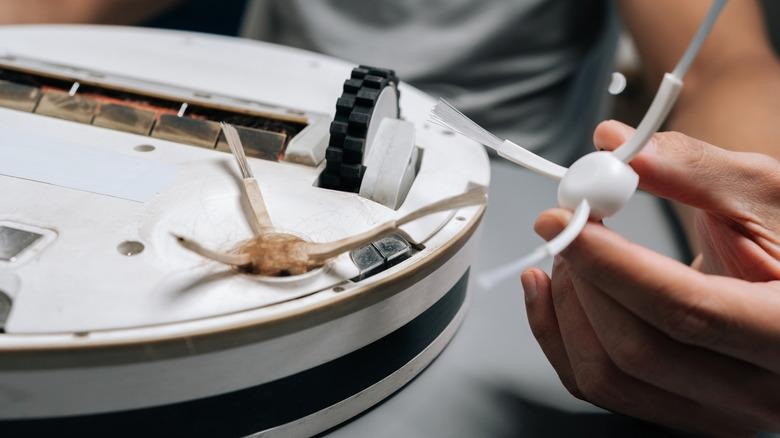
None of this means a robot vacuum must have a short life. Regular maintenance makes a real difference. Clean the machine. Remove tangled hair. Replace worn parts before they fail. These are simple tasks, but they help the vacuum remain useful for much longer than it otherwise would.
Check the vacuum every couple of weeks. Clear brushes or wheels of any entangled hair. Remove dirt and debris. Check the filters and clean them when necessary. The charging dock is also in need of attention. Clean charging contacts from time to time and do not allow dust to build up around them. Some components have shorter life spans than others. Monitor their condition and change when necessary.
Whenever possible, use parts that are approved by the manufacturer. Many companies come with spare brushes, filters, or other accessories with the machine.
Battery Care and Software Updates
A little care is also good for the battery. Locate the charging station in a cool and dry area of the home. Do not place it in direct sunlight or in excessive heat. Make sure the vacuum is fully charged before taking it out to do its job. Also, keep an eye out for software updates. They tend to fix minor problems and enhance productivity. In some instances they prolong the battery life or enable the machine to clean better. These changes might be small, but when added up, they can add up to a significant increase in the life of the robot.
Conclusion
While they are not the all-purpose house robot science that fiction promised, robot vacuums have made their way into homes. Most models will last 4 to 6 years, but their life span will vary depending on their treatment. These gadgets can be kept rolling longer with regular cleaning, timely replacement of worn parts, proper battery care and occasional software upgrades. As with any machine, age takes its toll on the best of robot vacuums.
Brushes get worn out, batteries lose their power, and eventually, it’s time to retire. The bright side is that with a bit of work, that day can be postponed for a long time. If your robot vacuum is busy running around the house looking for pet hair and crumbs all day, treat it to a tune-up every now and then. After all, it is likely the hardest working person in the house and doesn’t ask for a coffee break like the rest of us.
FAQs
1. What is the average lifespan of a robot vacuum?
The lifespan of most robot vacuums is 4 to 6 years, though some high-end models can last longer. The actual duration will vary depending on the quality of the build, how it is used, and how it is cared for. Just like a marathon runner, regular care will help it run the distance without getting tired.
2. Does daily use shorten a robot vacuum’s life?
While cleaning daily may wear brushes, wheels and batteries, it doesn’t necessarily mean the machine is destined for a premature death. Much of the additional stress can be mitigated with regular maintenance.
3. How can I make my robot vacuum last longer?
The easiest way to prolong the life of a robot vacuum is to perform routine maintenance. Clean brushes, untangle hair, clean filters and keep charging contacts dust free. These chores might not be the most exciting, but they can help your robotic vacuum from an early burial in the appliance graveyard.
4. Are homes with pets harder on robot vacuums?
A home with pets may be a challenging environment for a robot vacuum. Hair tends to wrap around brushes and wheels, causing additional wear over time. Fortunately, with regular cleaning and maintenance, the machine can continue to run even in the face of fur, which it fights daily.