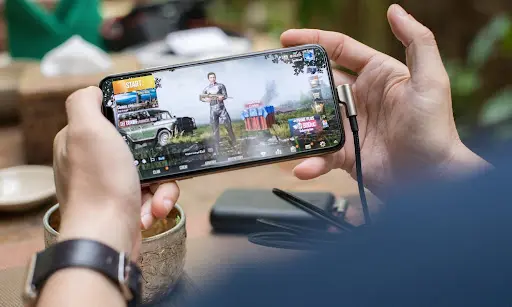

As we tread through 2026, the mobile gaming landscape continues to evolve at a breakneck pace, bringing forth technological advancements that promise to redefine how we interact with games on our smartphones and tablets. From immersive AR experiences to advanced AI-driven narratives, this year has already seen a plethora of groundbreaking releases. For fans of interactive entertainment, the latest innovations provide a multitude of options, one of which is the popular Arena Plus casino, known for integrating cutting-edge technology into its platform. But these releases extend far beyond individual platforms, embracing a holistic evolution of mobile gaming as we know it today.
The Surge of Augmented Reality (AR) in Mobile Gaming
Augmented Reality (AR) has taken centre stage in 2026 with mobile gaming companies focusing on creating environments that blend virtual gaming elements with the real world. Leading the charge, several AR-based games have transformed streets and public parks into thrilling gaming arenas. This technology isn’t merely about overlaying digital objects onto real-world images; it’s about enhancing player interaction and engagement, making the gaming experience more immersive and rewarding.
The Impact of 5G and Cloud Gaming
The advent of 5G technology has significantly impacted mobile gaming, with faster internet speeds paving the way for cloud gaming capabilities on smartphones. This means fewer hardware limitations and the ability to stream even the most graphically demanding games effortlessly. 5G and cloud technology have collectively made gaming a seamless experience, effectively erasing the lines between console-level graphics and mobile gaming. It is now possible to play complex multiplayer games on-the-go without the lag, thanks to the reduction in latency and increased bandwidth.
AI-Powered Mobile Gaming Experiences
Artificial Intelligence has become a formidable ally in 2026 for game developers looking to enhance user experience. AI-driven storylines and responsive NPCs (non-player characters) are not only improving gameplay dynamics but are also personalising gaming paths for each player. Machine learning algorithms analyse player behaviour and adapt narratives to make gaming more engaging. This technology ensures that every player’s journey is unique and compelling, significantly increasing replay value.
Advancements in Mobile GPU Technologies
Recent upgrades in mobile GPU technology have played a critical role in revolutionising mobile gaming by delivering graphics that were once exclusive to PCs and consoles. The ability to render high-resolution images and support real-time ray tracing on mobile devices has pushed the boundaries of visual storytelling. As GPUs become more efficient, they’re also becoming more affordable, signalling an exciting era for indie developers who wish to tap into high-fidelity gaming markets without prohibitive costs.
The Role of Wearable Technology in Gaming
Wearable technology is another frontier that mobile gaming has been exploring in 2026. Smartwatches and AR glasses are being integrated with games to provide another layer of interaction and immersion. These devices can track a user’s movements and use them as input in games, offering a novel blend of physical and digital gameplay. This trend highlights a shift towards more active and social gaming experiences, broadening the horizon of potential for both developers and players alike.
In conclusion, the year 2026 has already ushered in a period of significant innovation within the mobile gaming industry. The rapid growth of technologies such as AR, 5G, and advancements in AI and GPUs, along with the integration of wearables, showcase a transformative era for mobile gaming. As the year progresses, these technologies are expected to continue influencing the way we perceive and engage with mobile games, painting an exhilarating future for gamers worldwide.