
The logistics industry is undergoing a major transformation driven by rapid advancements in digital technology. As global supply chains become more complex and customer expectations for speed and transparency continue to rise, third-party logistics (3PL) providers are under increasing pressure to modernize their operations. At the center of this transformation is digital integration—the seamless connection of systems, data, and platforms across the entire logistics ecosystem.
For next-generation logistics providers, digital integration is no longer a competitive advantage; it is a fundamental requirement. Companies that fail to adopt integrated systems risk falling behind in efficiency, visibility, and customer satisfaction. In contrast, those that embrace digital transformation are better positioned to deliver faster, smarter, and more reliable logistics services.
The Evolution of 3PL in a Digital Economy
Traditionally, logistics operations relied heavily on manual processes, fragmented systems, and limited communication between stakeholders. Information was often stored in isolated databases, and coordination between warehouses, carriers, and customers required significant manual effort.
However, the rise of e-commerce, globalization, and real-time customer expectations has dramatically changed the landscape. Today’s supply chains are dynamic, data-driven, and interconnected. This shift has forced 3PL providers to adopt advanced digital tools that enable seamless communication and coordination.
Modern logistics platforms now integrate transportation management systems (TMS), warehouse management systems (WMS), enterprise resource planning (ERP) tools, and customer-facing applications into unified ecosystems. This level of integration allows for real-time visibility and faster decision-making across all stages of the supply chain.
The transformation of third party logistics reflects how deeply technology has become embedded in modern supply chain operations.
The True Meaning of Digital Integration in Logistics
Digital integration within the logistics space means the creation of interconnection between several different software systems and data feeds. They will function as one interconnected system, as opposed to being separated into individual silos.
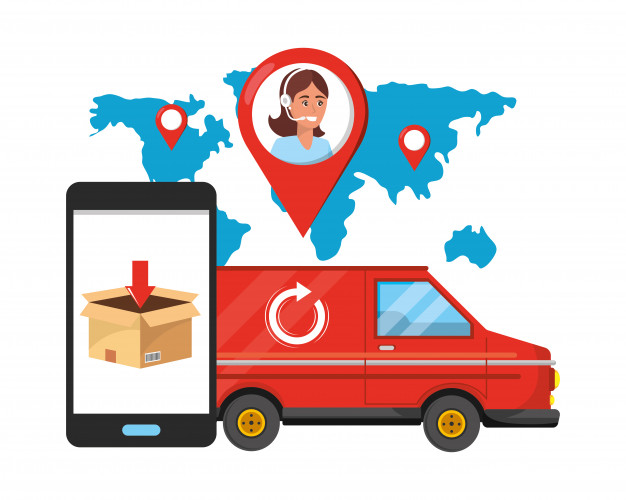
As an example, the moment a purchase is made, the whole system will automatically adjust the inventory, print out the label, inform the warehouse, assign a courier, and track the status for the client.
Such automation will ensure there are no mistakes, save on time, and make sure that everyone gets access to relevant information.
However, without integration, each of these processes would have to be done through a different system.
The Significance of Real-Time Data in Current Logistics
The use of digital integration technology also entails the availability of real-time data. In current logistics systems, out-of-date data may cause many problems for companies operating in this sector.
By relying on the real-time data provided by these technologies, 3PL firms will be able to keep track of their shipment status, inventory level, and make adjustments on the fly depending on different situations. As an illustration, if there happens to be a problem that causes the delay of the shipment such as bad weather or heavy traffic, deliveries and estimated delivery time could be automatically updated.
Real-time data is very significant to ensure the fulfillment of customers’ demands in the modern logistics industry.
Enhancing Operational Efficiency Through Automation
Automation is one of the most powerful outcomes of digital integration in logistics. By connecting systems and eliminating manual processes, 3PL providers can significantly improve operational efficiency.
Tasks such as order processing, inventory updates, invoicing, and shipment tracking can all be automated through integrated platforms. This reduces the need for human intervention and minimizes the risk of errors caused by manual data entry.
Automation also allows logistics providers to scale more effectively. As order volumes increase, integrated systems can handle higher workloads without requiring proportional increases in staffing or infrastructure.
This scalability is particularly important in the e-commerce sector, where demand can fluctuate rapidly during peak seasons.
Increasing Visibility Throughout the Supply Chain
One of the key disadvantages of conventional logistics management practices is limited visibility. Without effective integration of data streams, businesses often struggle to keep track of the logistics process, monitor shipments, and pinpoint bottlenecks in the system.
The solution to this problem is offered by digitalization, which creates an overarching picture of all logistics processes. Stakeholders are able to access various reports and dashboards showing all the necessary information related to shipments, warehouse operations, and transport activities.
This ensures better decision-making and enables businesses to react promptly to possible disruptions. Besides, this technology fosters collaboration between the participants of the logistic processes.
The Customer Experience Advantage
In the modern logistics landscape, customer experience is a key differentiator. Consumers and businesses alike expect fast, reliable, and transparent delivery services.
Digital integration plays a critical role in meeting these expectations. By providing real-time tracking, automated notifications, and accurate delivery estimates, 3PL providers can significantly enhance the customer experience.
Integrated systems also reduce the likelihood of errors such as lost shipments, incorrect deliveries, or outdated tracking information. This reliability builds trust and strengthens long-term customer relationships.
In a competitive market, the ability to deliver a seamless and transparent logistics experience can be a major advantage.
Challenges in Implementing Digital Integration
Despite its benefits, digital integration is not without challenges. One of the main obstacles is the complexity of connecting multiple legacy systems. Many logistics providers still rely on outdated software that may not easily integrate with modern platforms.
Data standardization is another challenge. Different systems often use different formats and protocols, making it difficult to ensure consistent communication across platforms.
Cybersecurity is also a growing concern. As more systems become interconnected, the risk of data breaches and cyberattacks increases. Protecting sensitive logistics and customer data requires strong security measures and continuous monitoring.
Additionally, implementing digital integration often requires significant investment in technology, training, and infrastructure upgrades.
The Importance of APIs and Cloud Solutions
Application Programming Interfaces (APIs) and cloud solutions play an important role in ensuring the integration of technology into logistics. The former enables systems to connect with one another, while cloud services enable efficient storage and manipulation of information on scalable infrastructure.
In this way, 3PLs can create highly versatile and connected ecosystems for their logistics operations. Moreover, remote access provided by cloud solutions allows managing operations in any location worldwide.
Such versatility becomes especially useful in international supply chains where coordinating activities across various regions becomes necessary.
Digital Integration in 3PL’s Future
In the future, the logistics industry will experience even higher levels of digital integration. The use of technology like artificial intelligence (AI), machine learning, and the Internet of Things (IoT) will increase supply chain visibility and automation.
For instance, AI algorithms will be used to predict and manage disruptions by optimizing routes, predicting demand, and forecasting issues. IoT sensors will also enable monitoring of equipment, goods, and transportation means in real-time.
As technology continues to advance, digital integration will become increasingly vital in the industry.