
TSMC has entered mass production of its 2nm manufacturing process, as per Ithome. The Tensor G6 chip, expected to debut in Google’s Pixel 11 series, is likely to be among its first customers. Apple’s A20, as well as the next flagship processors from Qualcomm and MediaTek, are also tipped to adopt the new node. But with Apple’s launch set for September, Google may enjoy a month’s lead over phones that continue to rely on 3nm chips.
The shift to a smaller process is not expected to bring sweeping gains. Reports suggest Google has reworked the chip with a more compact die and a new PowerVR GPU. The aim appears to be lower power use and a cheaper design to manufacture.
AI performance and battery life take center stage
Google does not seem to be chasing higher CPU or graphics numbers. It is putting more weight on longer battery life and stronger AI features on the device itself. That includes jobs such as image processing and voice recognition.
Pixel 11 may get an early edge over Apple and Android rivals
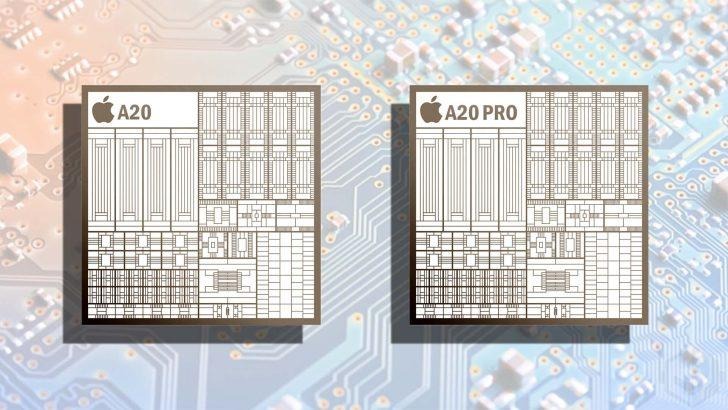
The Pixel 11 lineup will most likely arrive at Google’s “Made by Google” event on August 12. Apple should follow about a month later with the A20 and A20 Pro inside the iPhone 18 Pro and its foldable iPhone models. Qualcomm and MediaTek are likely to wait a little longer. Their Snapdragon 8 Elite Gen 6 and Dimensity 9600 chips are expected before the year ends.
Final Words
If the reports are correct, Google’s Pixel 11 may achieve a rare feat, outflanking Apple with the latest 2nm technology from TSMC. That was a headline that few would have thought would have been written a few years ago. However, fireworks aren’t expected in the benchmark charts. It seems like Google’s approach is more about getting more battery life, and making on-device AI smarter and more efficient.
In the meantime, Apple, Qualcomm and MediaTek are all preparing for the next-generation silicon, which will make for an interesting second half of the year. That is, the 2nm race is becoming more of a marathon than a sprint. It’s also probably a positive for consumers, since a longer-lasting phone is more likely to be appreciated than a passing grade that will be forgotten before the next coffee break.