
Discarded circuit boards accumulate quickly in workshops, repair shops, and household drawers. Each multilayer board still holds recoverable copper, gold, and silver, yet improper handling can release dust, fumes, or chemical waste. Home-scale recovery becomes practical when the same material behaviors observed in production environments guide the process. Mechanical and selective chemical approaches, applied with disciplined controls, allow consistent metal extraction without generating secondary hazards.
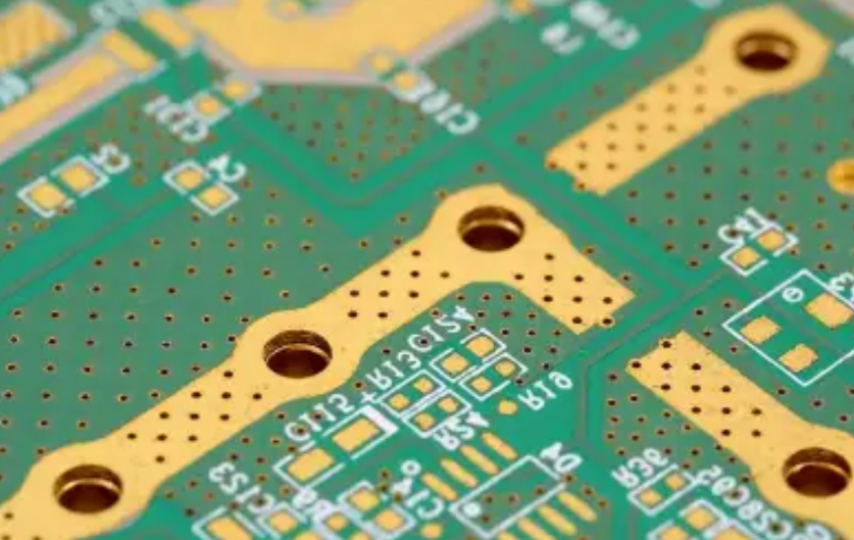
Boards consist of FR-4 laminate, copper foil, and thin surface finishes. Understanding how these layers separate under stress determines both yield and safety. The following methods adapt proven industrial principles to tools available in a typical workshop.
Metals Present and Realistic Home Yields
Copper forms the bulk of recoverable material, while gold and silver appear mainly as thin plating on edge connectors and contact pads. Content varies by board type, yet relative recovery difficulty stays consistent.
| Metal | Approximate Content per kg Board | Preferred DIY Approach | Key Process Consideration |
| Copper | 200–300 g | Mechanical grinding and sorting | Dust control and mesh separation |
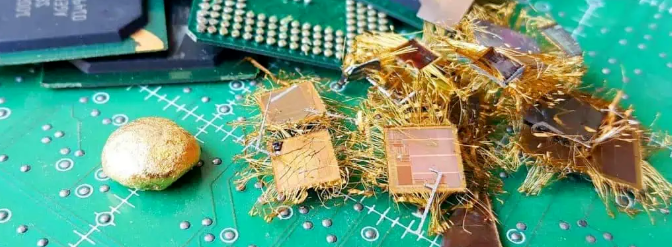
| Gold | 0.2–1 g (mostly edge fingers) | Selective dilute-acid leach | Outdoor work and effluent neutralization |
| Silver | 1–5 g | Co-recovery with gold | Filtration after base-metal removal |
Copper delivers volume; gold supplies higher unit value but requires tighter process discipline.
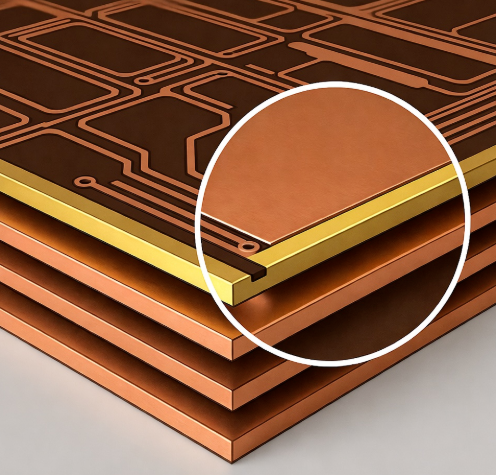
Mechanical Separation: The Primary DIY Route
Size reduction followed by physical sorting forms the foundation of safe home recovery. The sequence mirrors dry-process stages used in certified facilities yet relies on common tools.
1. Remove all components first. Clip or desolder capacitors, batteries, and connectors. Open burning is never acceptable; it produces dioxins and eliminates responsible recovery claims.
2. Bundle boards into packs no thicker than 30 cm. A heavy-duty blender or small commercial grinder reduces them to mixed particles in short batches.
3. Pass the output through fine mesh. Non-metallic dust falls away; metallic fragments remain. A rare-earth magnet extracts ferrous hardware while copper stays as flexible flakes or strips.
4. Rinse, dry, and weigh the copper fraction. Well-executed runs typically return 20–25 % copper by mass.
Dust generation requires a HEPA-filtered vacuum and a particulate-rated respirator. Workshops that adopt this sequence routinely process tens of kilograms of scrap each month while staying outside regulated hazardous-waste streams.
Chemical Extraction for Gold Fingers
When gold-plated edge connectors are the target, a controlled dilute-acid system can liberate the plating after base metals dissolve. A 2:1 mixture of hydrochloric acid and 3 % hydrogen peroxide removes copper and nickel, allowing gold flakes to settle. Filtration, water rinsing, and drying produce a recoverable solid.
The same chemistry generates corrosive fumes and acidic liquid that must reach pH 7 before disposal. Outdoor ventilation, full face protection, and secondary containment remain mandatory. Yields above 80 % appear only when temperature, agitation, and contact time stay consistent—conditions harder to maintain outside controlled environments. Chemical recovery therefore functions as an advanced option rather than the default method for most home setups.
Factors That Improve or Hinder DIY Results
Boards built with thick copper, single surface finishes, and clear edge plating separate more readily. Heavy solder mask, mixed finishes, or embedded components raise both labor and risk. Starting with simple single-finish boards before progressing to multilayer or flex assemblies reduces early failures.
Frequent process errors include:
● Over-grinding that creates unrecoverable fines
● Insufficient dust capture leading to respiratory exposure
● Incomplete neutralization of acid waste
● Storage of boards in humid conditions that accelerate corrosion and lower metal purity
Correcting these points early keeps home work inside the same compliance boundaries observed in industrial recycling lines.
Practical Alignment of Home and Industrial Practice
Effective PCB recycling depends on matching method to material and available controls. Mechanical routes supply the majority of copper safely and at low cost. Chemical routes unlock residual precious metals but introduce waste-management steps that many home environments cannot fully support. Recording yields, documenting neutralization, and selling only to licensed scrap buyers complete the material loop in a manner consistent with established environmental management practices.
Economic return on a single kilogram remains modest—several dollars for copper plus a higher premium for clean gold—yet cumulative volumes reduce landfill pressure and conserve primary resources without creating secondary pollution.
Key Takeaways for Safe Home Recovery
Begin with mechanical separation and full personal protective equipment. Reserve chemical methods for experienced users who can manage effluent. Log every batch so improvements stay data-driven. Treat recovered metals as commodities that re-enter legitimate supply chains.
Disciplined application of these steps converts discarded boards into measurable material recovery while protecting both operator and environment. Start with a limited quantity, refine technique, and expand only after safety and documentation become routine.