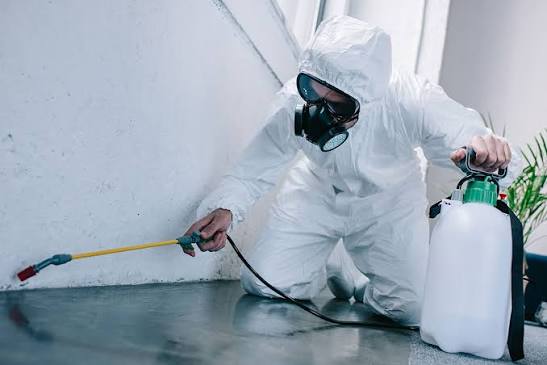

Pest problems in Alaska can look very different from those experienced in warmer parts of the country. Long winters may reduce outdoor insect activity, but heated homes, commercial buildings, crawl spaces, garages, and storage areas can provide pests with reliable shelter throughout the year. Effective Alaska pest control services should therefore address more than visible insects or rodents. A complete service should identify the source of the problem, correct conditions that attract pests, treat active infestations, and help prevent them from returning. Understanding what a professional pest control plan should include can help property owners choose the right provider and protect their buildings more effectively.
A Thorough Property Inspection
Every pest control service should begin with a detailed inspection of the property. Treating a building without first identifying the pest, entry points, and nesting areas may only provide temporary relief. A trained technician should examine both the interior and exterior, including basements, attics, crawl spaces, utility rooms, kitchens, garages, and storage areas. Exterior inspections should cover foundations, siding, rooflines, doors, windows, vents, landscaping, and areas where utility lines enter the building. The findings from this inspection should guide the treatment plan rather than relying on a standard approach for every property.
A professional inspection should also look for signs that may not be obvious to the property owner. These can include droppings, damaged insulation, gnaw marks, grease trails, nesting material, shed insect skins, moisture damage, and small gaps around the structure. Technicians should consider the season because pest behavior changes throughout the year in Alaska. Rodents may move indoors as temperatures fall, while ants, wasps, flies, and other insects are often more active during warmer months. The provider should clearly explain what was found and which areas require the most attention.
Accurate Pest Identification
Correct pest identification is one of the most important parts of any treatment plan. Different pests require different control methods, even when they appear similar at first glance. For example, carpenter ants can create structural concerns, while other ant species may primarily be searching for food or moisture. Similarly, mouse activity may require a different strategy than a larger rodent problem. Alaska pest control services should never apply treatments until the technician understands which pest is present and how it is using the property.
Identification should include more than simply naming the pest. The technician should explain where the pest is likely nesting, what it is feeding on, and why it entered the building. This information helps property owners understand which maintenance or sanitation changes may be needed. When identification is uncertain, the company may collect a specimen or use monitoring devices before beginning extensive treatment. A careful diagnostic process reduces unnecessary pesticide use and improves the likelihood of lasting results.
Interior and Exterior Pest Treatments
A complete pest management plan should address activity inside the building and conditions around the exterior. Interior treatment may include targeted applications, traps, bait stations, dust products, monitoring devices, or physical removal. Technicians should focus on cracks, wall voids, utility penetrations, cabinets, storage areas, and other locations where pests hide or travel. Broad, unnecessary chemical applications should be avoided when a more precise method can solve the problem. The provider should also explain any preparation steps occupants need to take before treatment.
Exterior treatments help create a protective barrier and reduce the chance that pests will move indoors. Depending on the problem, technicians may treat the foundation perimeter, door frames, window frames, eaves, decks, sheds, or other vulnerable areas. Services may also include removing accessible nests or treating ant trails and wasp activity. Exterior applications must be selected carefully based on temperature, precipitation, wind, and site conditions. Alaska’s weather can influence how well certain products work, so timing and application methods are important.
Rodent Control and Exclusion
Rodent control should be a major component of pest management in Alaska. Mice and other rodents often seek warmth, food, and shelter inside buildings during colder periods. A successful rodent program should include trapping or baiting, but it should not stop there. Technicians should also determine how rodents are entering and recommend ways to close those openings. Without exclusion work, new rodents may continue entering even after the initial population has been removed.
Common rodent control measures may include:
- Placing traps in active travel areas
- Installing secured exterior bait stations
- Sealing gaps around pipes and utility lines
- Repairing damaged vents or screens
- Adding door sweeps to exterior doors
- Closing openings near foundations or rooflines
- Removing nesting materials when accessible
Rodent exclusion materials should be durable enough to withstand chewing, moisture, and changing weather conditions. Foam alone is generally not sufficient for openings that rodents can reach because they may chew through it. Metal mesh, flashing, hardware cloth, and appropriate sealants may provide stronger protection. The technician should prioritize openings based on evidence of activity and the likelihood of continued entry. Property owners should receive a clear explanation of which repairs are included and which may require a separate contractor.
Control for Ants and Other Crawling Insects
Ants are a common concern during Alaska’s warmer months, particularly when colonies develop near foundations, decks, trees, or damp wood. Carpenter ants deserve special attention because they can excavate wood to create nesting galleries. Pest control services should include an inspection for moisture problems, damaged wood, and trails leading into the building. Treatment may involve baits, targeted insecticides, dust applications, or direct nest treatment when the colony can be located. Eliminating visible workers without addressing the colony is unlikely to provide a lasting solution.
Other crawling insects may include spiders, beetles, silverfish, earwigs, and occasional invaders that enter buildings for shelter. The service should focus on why these pests are present rather than treating every insect the same way. Moisture reduction, clutter removal, improved storage, and sealing exterior gaps can often support the treatment. Technicians may also recommend changing outdoor lighting or moving firewood away from the structure. A balanced approach combines treatment with practical environmental changes.
Wasp, Hornet, and Stinging Insect Management
Wasps and other stinging insects can create safety concerns around homes, restaurants, offices, warehouses, and recreational properties. Nests may develop under eaves, inside wall voids, beneath decks, in sheds, or around playgrounds and gathering areas. Professional services should include nest identification, risk assessment, and safe removal or treatment. Technicians should avoid simply knocking down a nest when live insects may still be present. They should also determine whether the nest location indicates an opening that should be sealed after activity has ended.
Timing is especially important when managing stinging insects. Treatments may be safer and more effective during periods of lower activity, depending on the species and nest location. Occupants should receive instructions about avoiding the area before and after service. If someone on the property has a known allergy, the technician should be informed so additional precautions can be taken. Preventive inspections during the warmer season may help locate small nests before they become larger problems.
Fly and Mosquito Reduction
Although Alaska has a relatively short warm season, mosquitoes and flies can become significant outdoor nuisances. Pest control plans for homes, lodging facilities, restaurants, camps, and commercial properties may include seasonal reduction services. These treatments should be part of a broader strategy that addresses breeding areas and sanitation conditions. Standing water, uncovered trash, organic debris, clogged drainage areas, and animal waste can all support pest activity. Technicians should inspect the property and recommend steps that reduce these sources.
Mosquito and fly services may include:
- Treating shaded vegetation where adult mosquitoes rest
- Identifying areas where water collects
- Recommending drainage improvements
- Treating approved breeding areas when appropriate
- Inspecting dumpsters and waste storage spaces
- Installing or servicing fly traps
- Recommending screens or air curtains for entrances
No outdoor service can eliminate every flying insect, particularly across large or wooded properties. A trustworthy company should set realistic expectations and explain how the weather may affect results. Rain, wind, nearby wetlands, and untreated neighboring areas can influence pest pressure. Regular seasonal treatments may provide better control than a single application.
Integrated Pest Management Practices
Reliable Alaska pest control services should follow integrated pest management principles. Integrated pest management, often called IPM, focuses on using the least disruptive, effective solution while addressing the conditions that allow pests to thrive. Chemical products may be part of the plan, but they should not be the only tool used. Inspection, sanitation, exclusion, monitoring, habitat modification, and targeted treatments should work together. This approach can improve long-term control and reduce unnecessary product use.
An IPM-based provider should explain why each treatment is being recommended. The technician may suggest fixing leaks, improving ventilation, moving stored materials, trimming vegetation, sealing openings, or changing waste-handling practices. These recommendations should be practical and connected directly to the pest problem. Follow-up monitoring can then determine whether the strategy is working. When conditions change, the service plan should be adjusted rather than repeating ineffective treatments.
Safe Products and Clear Preparation Instructions
Pest control providers should use products that are approved for the intended location and pest. The company should explain where products will be applied and whether people, pets, food, or personal items need to be moved. Preparation instructions should be provided before the appointment whenever possible. After treatment, occupants should understand when they may safely return to treated areas. Clear communication is especially important in homes with children, pets, older adults, or individuals with sensitivities.
Commercial properties may require additional documentation and coordination. Restaurants, food-processing areas, healthcare settings, schools, and apartment communities often need detailed service reports. Technicians should follow site-specific safety requirements and avoid disrupting normal operations. Products should be stored, transported, and applied according to their labels. Customers should also know whom to contact if they have questions after the visit.
Ongoing Monitoring and Follow-Up Visits
Many infestations cannot be resolved during a single appointment. Rodent activity, established ant colonies, bed bugs, cockroaches, and other persistent problems may require multiple visits. A complete service plan should include clear follow-up expectations and a timeline for evaluating progress. Technicians may need to reset traps, replenish bait, inspect monitoring devices, or apply additional targeted treatments. Follow-up visits allow the provider to confirm whether pest activity is decreasing.
Ongoing pest management can also help prevent future infestations. Scheduled service may be monthly, quarterly, seasonally, or customized based on the property’s needs. Commercial kitchens and multifamily properties often require more frequent monitoring than low-risk residential buildings. Service reports should document pest activity, treatments completed, products used, and maintenance recommendations. Consistent records make it easier to recognize recurring patterns and address problems before they grow.
Detailed Service Reports and Communication
Customers should receive a written record after each pest control visit. The report should identify the areas inspected, evidence found, treatments performed, and recommendations for the property owner. It may also include diagrams, photographs, product information, or notes about monitoring devices. Clear documentation is particularly useful for landlords, property managers, restaurants, and businesses that must maintain compliance records. It also helps customers track whether previously identified problems have been corrected.
Communication should continue after the technician leaves. The company should provide a reliable phone number or service channel for reporting new activity or asking questions. Customers should understand what results to expect and how long the treatment may take to work. They should also know which signs indicate that another visit is needed. A provider that communicates clearly is more likely to develop an effective long-term partnership with the property owner.
Frequently Asked Questions
How often should an Alaska property receive pest control service?
The right schedule depends on pest pressure, building type, location, and past activity. Many properties benefit from quarterly or seasonal inspections, while high-risk commercial sites may need monthly service.
Are pests active during Alaska winters?
Yes. Outdoor insect activity may decrease, but rodents and insects can remain active inside heated buildings, wall voids, basements, crawl spaces, and storage areas.
Should pest control include sealing entry points?
Yes. Exclusion is essential for preventing rodents and many insects from returning. Ask whether sealing work is included in the service or provided as a separate option.
How long does pest treatment take to work?
Some treatments produce immediate results, while baits and colony treatments may take several days or weeks. The technician should explain the expected timeline for the specific pest.
Is one pest control visit enough?
Minor problems may be resolved during a single visit, but established infestations often require follow-up treatment. Monitoring helps confirm that the entire pest population has been controlled.
Can pest control services treat rental and commercial properties?
Yes. Professional companies may service homes, apartments, restaurants, offices, warehouses, lodging facilities, and other commercial buildings. The program should be customized to the property’s risks and requirements.
Choosing Complete Alaska Pest Control Services
The best pest control program is one that addresses the current problem while also reducing the likelihood of future infestations. Property owners should look for a provider that offers thorough inspections, accurate identification, targeted treatment, rodent exclusion, seasonal pest management, and ongoing monitoring. Clear reports, realistic expectations, and practical prevention recommendations should also be included. A company that relies only on routine spraying may overlook entry points, moisture problems, sanitation concerns, or nesting areas. Comprehensive Alaska pest control services should combine professional treatment with long-term protection designed for the state’s unique climate and building conditions.