
Photo editing has traditionally been a balance between technical precision and creative judgment. A simple task such as removing an unwanted object or correcting an imperfect area could require multiple tools and several rounds of manual adjustments.
Artificial intelligence is changing that workflow. Modern AI editing technologies allow creators to approach photographs in a more flexible way, making it easier to improve existing assets while also experimenting with entirely new visual ideas.
From Manual Adjustments to Intelligent Editing
Traditional editing software gives creators extensive control, but that control often comes with a learning curve.
AI-assisted tools can simplify some of these processes by identifying objects, backgrounds, faces, and other elements within an image.
An AI photo editor can help creators make targeted changes without requiring them to manually handle every individual part of the composition.
For someone working on a marketing campaign, this could mean adapting one photograph into several different creative versions rather than recreating each image from the beginning.
The Value of Editing Existing Images
Not every creative project requires a completely new image.
Often, a good photograph already exists but needs a few changes.
Perhaps the background doesn’t match the campaign. Maybe there is an unwanted object in the frame, or the image needs to be adjusted for a different layout.
AI editing can make these modifications more approachable.
This is particularly useful for businesses that already have large libraries of photographs and want to make better use of their existing visual assets.
Improving Images That Are No Longer Enough
Image quality can become a problem when older content needs to be reused.
A photograph that looked acceptable on an older website might appear soft or low-resolution on modern displays.
An AI image enhancer can help improve aspects such as sharpness, detail, and overall clarity, giving older assets another opportunity to be used.
This can be useful for businesses, photographers, publishers, and individuals who want to preserve or repurpose existing images.
AI and Product Photography
E-commerce businesses depend heavily on product images.
A single product may need to appear across websites, advertisements, social media, catalogs, and promotional campaigns.
Creating a separate photoshoot for every context isn’t always practical.
With an AI image editor, creators can experiment with different backgrounds and compositions while keeping the main product visually consistent.
For example, the same product could be presented in a clean studio environment for an online store and a lifestyle setting for social media.
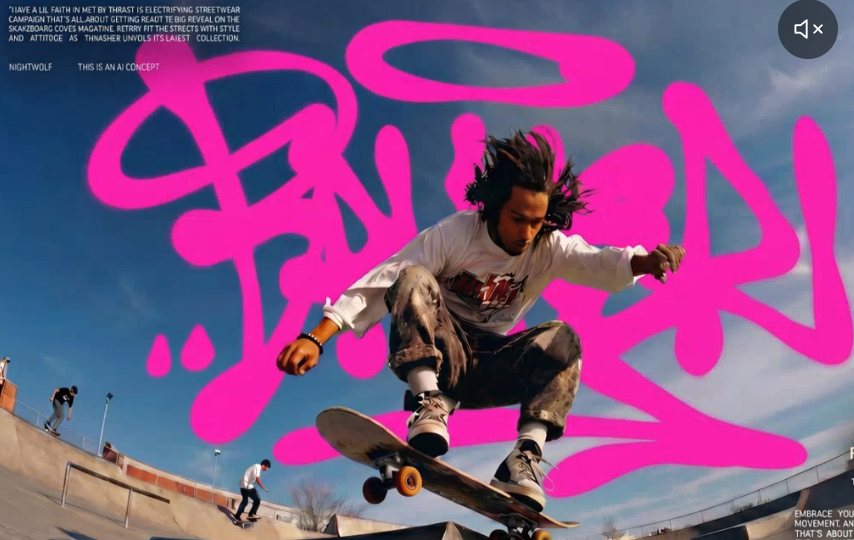
Exploring Different Visual Styles
AI editing can also be used for creative experimentation.
A creator may want to see how the same photograph looks with a different atmosphere or artistic direction.
Instead of rebuilding the image from scratch, AI can help generate alternative interpretations.
This can be useful during the concept stage of advertising, branding, and editorial projects.
The creator can compare different possibilities and decide which one best supports the intended message.
Making Image Restoration More Accessible
Old photographs often contain damage such as scratches, fading, noise, or reduced detail.
AI-based enhancement can help improve the appearance of these images.
An AI image enhancer may be able to recover or reconstruct visual details that are difficult to restore manually.
However, restoration should be distinguished from historical reconstruction. When accuracy matters, creators should be careful about presenting AI-generated details as if they were part of the original photograph.
AI Doesn’t Automatically Mean Better Images
More editing options don’t necessarily produce better results.
An AI tool may make a technically impressive modification that doesn’t fit the original composition or creative purpose.
This is why human review remains essential.
A professional creator still needs to evaluate:
- Whether the edit looks natural
- Whether the composition remains balanced
- Whether the image fits the brand
- Whether important details were changed
- Whether the final result communicates the intended message
AI can assist with execution, but creative judgment remains with the user.
A New Workflow for Designers
A modern image workflow can combine AI with traditional editing techniques.
For example:
Original photograph → AI enhancement → AI editing → Manual refinement → Final asset
The AI stage can handle some of the more repetitive work, while the designer focuses on composition, storytelling, and final quality.
This hybrid approach gives creators both efficiency and control.
More Possibilities for Small Teams
Large creative departments have traditionally had access to photographers, designers, retouchers, and specialized production teams.
Smaller businesses may not have the same resources.
AI tools can provide smaller teams with additional ways to experiment with their existing visual assets.
An AI image editor can help with modifications, while an AI image enhancer can make older or lower-quality material more useful.
This doesn’t eliminate professional creative work, but it can reduce some of the barriers to experimentation.
The Growing Importance of Authenticity
As image manipulation becomes easier, knowing whether a visual accurately represents reality becomes increasingly important.
Creative advertising can naturally involve substantial image editing, while journalism, documentation, and other contexts may require much stricter standards.
Creators should consider the purpose of an image before applying major AI modifications.
Permission and privacy are also important when editing photographs that contain identifiable people.
Where AI Image Editing Is Going
The distinction between generating, editing, and enhancing images is becoming increasingly blurred.
A creator might begin with an existing photograph, improve its quality using an AI image enhancer, modify individual elements with an AI image editor, and then continue refining the result using traditional design software.
In the future, these steps may feel less like separate processes and more like different parts of a single creative workspace.
Conclusion
AI is giving creators new ways to approach photo editing, restoration, and visual experimentation.
An AI image editor can make complex modifications more accessible, while an AI image enhancer can help improve images that may otherwise be difficult to reuse.
The real advantage isn’t simply faster editing. It is the ability to explore more creative possibilities while spending less time on repetitive technical tasks.
As AI-powered image tools continue to evolve, successful creators will likely be those who combine their capabilities with strong visual judgment, creative direction, and careful attention to authenticity.