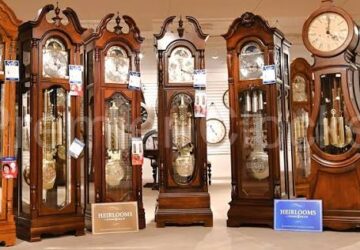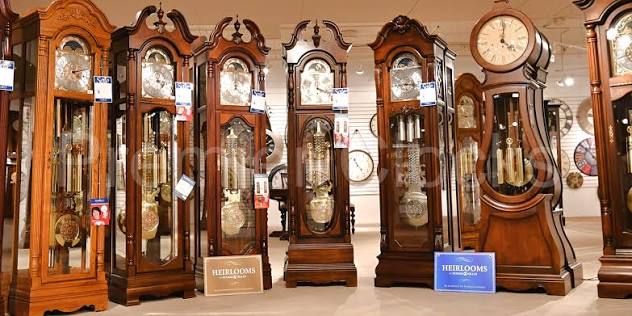

Heirloom clocks carry more than mechanical parts inside their cases. A grandfather clock passed down through three generations, a mantel clock that sat in a childhood living room, or a cuckoo clock brought over from another country all hold memories that cannot be replaced. When these clocks stop ticking, chime off-key, or need restoration, families across Chicagoland face an important decision. Who do you trust with something this valuable?
This guide walks through what makes heirloom clock care different from ordinary repair work, what to look for in a trustworthy repair shop, and why so many families throughout the Chicago area choose a Chicago family-owned clock shop over big-box alternatives or mail-in repair services.
Why Heirloom Clocks Need Specialized Care
Modern clocks are often mass-produced with interchangeable parts and simple battery movements. Heirloom clocks are rarely that simple. Many were built decades or even a century ago using mechanical movements, hand-cut gears, and materials that are no longer manufactured the same way.
This creates a few unique challenges:
- Replacement parts may need to be custom fabricated rather than ordered from a catalog
- Old lubricants and finishes can react differently to modern cleaning products
- Wood cases often require restoration techniques suited to antique finishes, not modern veneers
- Chime rods, weights, and pendulums must be calibrated specifically to that clock’s original design
- Improper handling during transport or repair can cause irreversible damage to fragile components
A technician who mainly services modern quartz clocks may not have the training or patience required for this kind of detailed, historical work. Heirloom clock care is closer to fine furniture restoration or antique appraisal than it is to standard appliance repair.
The Emotional Weight Behind the Mechanics
For many families, an heirloom clock is tied to a specific person or memory. It might have belonged to a grandparent who wound it every Sunday morning, or it could be the centerpiece of a family home that has since been sold. When that clock stops working, the concern is rarely just about telling time.
Families want reassurance that:
- The clock will be handled gently and respectfully throughout the repair process
- Original parts will be preserved whenever possible instead of being replaced unnecessarily
- The unique character of the clock, including small quirks in its chime or ticking rhythm, will not be erased
- Someone will take the time to explain what is wrong and why, rather than rushing through the visit
This emotional layer is part of why so many households seek out a shop with deep roots in the community rather than a large chain. A shop that has served Chicagoland families for years tends to understand that these clocks are not just objects. They are connections to people and moments that matter.
What Makes a Trustworthy Clock Repair Shop
Not every repair shop is equipped to handle antique or heirloom pieces. Families searching for the right place should look for a few key qualities before handing over a treasured clock.
Experience With Antique Mechanisms
Ask how long the shop has been repairing mechanical clocks specifically, not just modern battery-operated pieces. Experience with weight-driven movements, spring-driven movements, and chime mechanisms matters significantly when working on older clocks.
Transparent Communication
A trustworthy shop should be willing to explain:
- What is causing the clock to malfunction
- Whether parts need to be repaired, cleaned, or replaced
- An estimated cost range before work begins
- How long the repair is expected to take
A Physical, Established Location
Many families feel more comfortable dropping off an heirloom piece at a shop with a real storefront and a long-standing presence in the area, rather than shipping it off to an unknown mail-in service. Seeing the workspace, meeting the technician, and having a place to return to for questions builds a level of trust that online only services cannot easily replicate.
Reputation Within the Community
Word of mouth still carries significant weight when it comes to entrusting a family heirloom to a stranger. Long-standing shops often earn their reputation through decades of careful, honest work, and many families choose a shop because a friend, neighbor, or relative recommended it after a positive experience.
Why Families Prefer a Chicago Family-Owned Clock Shop
Across Chicagoland, many families specifically seek out a Chicago family-owned clock shop rather than a large chain or online repair service. There are a few clear reasons behind this preference.
Family-owned shops tend to treat every clock as an individual project rather than a transaction. Because these businesses are often smaller and more personally invested in their reputation, the level of care and attention to detail tends to be higher. A family-run shop is also more likely to have technicians who have trained under previous generations of clockmakers, carrying forward specialized skills that are becoming increasingly rare.
There is also a practical advantage. Local, established shops are easier to visit in person, ask follow-up questions, and build an ongoing relationship with for future maintenance. Instead of starting over with a new technician every time something goes wrong, families can return to the same trusted shop for years, building a relationship that benefits the long-term health of the clock.
Finally, many of these shops specialize specifically in heirloom and antique pieces, rather than treating clock repair as a small side offering. That specialization often translates into more careful handling, better-sourced replacement parts, and repairs that respect the clock’s original craftsmanship.
What to Expect During an Heirloom Clock Repair Visit
Understanding the general process can help ease some of the anxiety that comes with handing over a family treasure. While every shop operates a little differently, most heirloom clock repairs follow a similar path.
- An initial inspection to assess the clock’s condition and identify the source of the problem
- A discussion with the owner about the clock’s history, any prior repairs, and specific concerns
- A cost estimate and timeline provided before any work begins
- Careful disassembly, cleaning, and repair of the movement, often using specialized tools suited to antique mechanisms
- Reassembly, calibration, and testing to confirm accurate timekeeping and proper chime function
- A final walkthrough where the owner can ask questions and learn basic maintenance tips going forward
This process can take anywhere from a few days to several weeks, depending on the complexity of the repair and whether custom parts need to be fabricated.
Simple Maintenance Tips Between Professional Visits
While professional repair is essential for major issues, there are a few simple habits families can practice at home to keep an heirloom clock in good condition between visits.
- Dust the case regularly with a soft, dry cloth to avoid scratching delicate finishes
- Avoid placing the clock in direct sunlight or near heating vents, since temperature changes can warp wood and affect timekeeping
- Wind mechanical clocks consistently, following the manufacturer’s recommended schedule, rather than letting them run down completely
- Avoid moving the clock unnecessarily, since shifting a pendulum clock can throw off its calibration
- Schedule a professional cleaning every few years, even if the clock seems to be running fine, since internal lubricants break down over time
These small habits can extend the time between major repairs and help preserve the clock’s condition for the next generation.
FAQ
How often should an heirloom clock be professionally serviced? Most mechanical clocks benefit from a professional cleaning and inspection every three to five years, even if they appear to be running smoothly, since internal lubricants degrade over time.
Is it normal for an antique clock to run slightly fast or slow? Minor timekeeping drift is common in mechanical clocks and can often be adjusted through the pendulum or regulation mechanism. Significant drift, however, may indicate a deeper mechanical issue.
Can a broken chime be repaired without replacing the entire movement? In many cases, yes. Chime issues are often caused by misaligned rods or worn components that can be repaired or replaced individually rather than requiring a full movement replacement.
Should I attempt to clean or oil the clock myself? It is best to leave cleaning and lubrication to a professional. Incorrect oils or cleaning products can damage delicate mechanisms and antique finishes.
How do I know if a repair shop has experience with antique clocks specifically? Ask directly about their experience with mechanical, weight-driven, or spring-driven movements, and request examples of similar past repairs before committing to service.
What should I do if the clock case itself is damaged, not just the movement? Many shops that specialize in heirloom clocks also offer case restoration services, or can refer you to a trusted furniture restoration specialist who works with antique finishes.
Is it worth repairing an old clock instead of buying a new one? For heirloom pieces, the sentimental and historical value almost always outweighs the cost of repair. A well-maintained antique clock can also last for many more decades with proper care, something rarely true of mass-produced modern alternatives.
Preserving a Legacy, One Tick at a Time
Choosing where to bring an heirloom clock is about more than convenience. It is about finding a place that understands the history, craftsmanship, and emotional significance behind every tick and chime. For countless families across the region, a trusted, established, Chicago family-owned clock shop offers exactly that kind of care, blending technical expertise with a genuine respect for family history.
By taking the time to choose a shop with the right experience and values, families can ensure their heirloom clocks continue keeping time, and keeping memories alive, for generations to come.