
The steel pipe industry has traditionally relied on large-scale machinery, skilled operators, and carefully controlled production processes. Today, however, manufacturers are adopting smart manufacturing technologies to make production faster, more accurate, efficient, and responsive. By combining automation, sensors, data analytics, artificial intelligence, and connected machinery, modern steel pipe factories can monitor operations in real time and make better decisions throughout the production cycle.
Automation Is Improving Production Efficiency
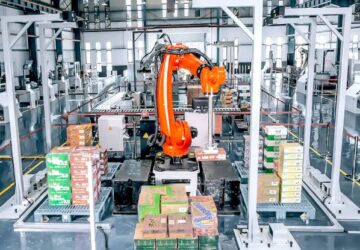
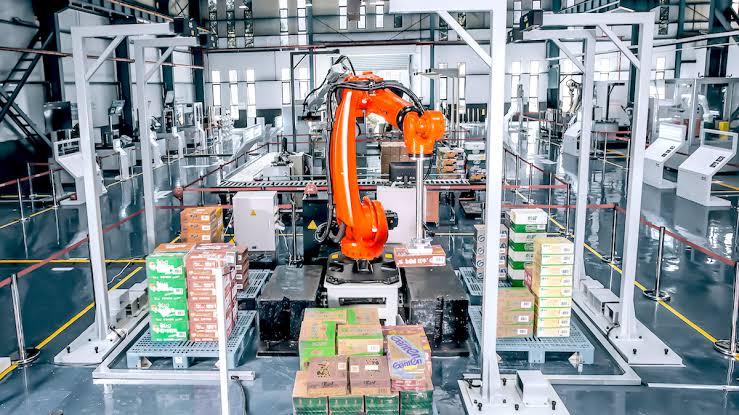
One of the biggest changes brought by smart manufacturing is the increased use of automation. Automated equipment can handle repetitive processes such as pipe forming, welding, cutting, inspection, and material handling with greater consistency. Instead of depending entirely on manual monitoring, manufacturers can use connected machines to track production parameters and identify potential issues before they affect a large batch of products.
This improves productivity while reducing human error. It also allows manufacturers to maintain more consistent dimensions, weld quality, and surface finishes across high-volume production runs.
Real-Time Monitoring Strengthens Quality Control
Quality is especially important in steel pipe manufacturing because pipes are used in demanding applications such as construction, infrastructure, water transportation, energy, and industrial systems. Smart manufacturing allows factories to collect production data continuously and use it to identify deviations from required specifications.
Sensors can monitor factors such as temperature, pressure, dimensions, production speed, and other operating conditions. Advanced inspection systems can also detect surface defects or inconsistencies much earlier than traditional inspection methods.
This data-driven approach creates a more reliable quality-control process and helps manufacturers reduce waste caused by defective products.
Smart Technologies Are Changing Corrosion Protection
Surface treatment is another area benefiting from advanced manufacturing. Steel pipes can be exposed to moisture, chemicals, salt, and other corrosive elements, making protective coatings essential for many applications. Galvanizing is one widely used method because a zinc coating provides a protective barrier and sacrificial corrosion protection.
Modern production systems can improve control over cleaning, coating, temperature, and inspection processes. Both hot-dip galvanizing and pre-galvanizing are used in the industry, with the appropriate method depending on the application and required protection. Manufacturers seeking more information about modern galvanized pipe solutions can learn more about pipe galvanizing and its role in corrosion protection.
Predictive Maintenance Reduces Unexpected Downtime
Unexpected equipment failure can be extremely expensive in a steel manufacturing facility. Smart manufacturing addresses this problem through predictive maintenance. Sensors installed on machinery can collect information about vibration, temperature, pressure, and other performance indicators.
Instead of waiting for equipment to fail, manufacturers can analyze these signals to identify signs of wear and schedule maintenance before a major breakdown occurs. This approach can reduce downtime, extend equipment life, and help factories maintain more predictable production schedules.
Data Is Becoming a Manufacturing Asset
Smart factories generate enormous amounts of production data. When properly analyzed, this information can reveal patterns that are difficult to identify through manual observation. Manufacturers can use historical and real-time data to optimize production speeds, reduce material waste, improve energy efficiency, and identify bottlenecks.
Digital systems can also improve traceability. Production records can be connected to specific batches, allowing manufacturers to track materials, processes, inspections, and quality results throughout the manufacturing cycle.
The Future of Steel Pipe Manufacturing
Smart manufacturing is moving the steel pipe industry toward a more connected and data-driven future. Automation improves consistency, sensors provide real-time visibility, predictive maintenance reduces downtime, and advanced analytics help manufacturers optimize resources.
As these technologies continue to develop, steel pipe manufacturers that invest in digital production systems will be better positioned to meet growing demands for quality, efficiency, reliability, and cost-effective products. The result is not simply a faster factory—it is a smarter manufacturing environment capable of producing more dependable steel pipe solutions for increasingly demanding industries.