


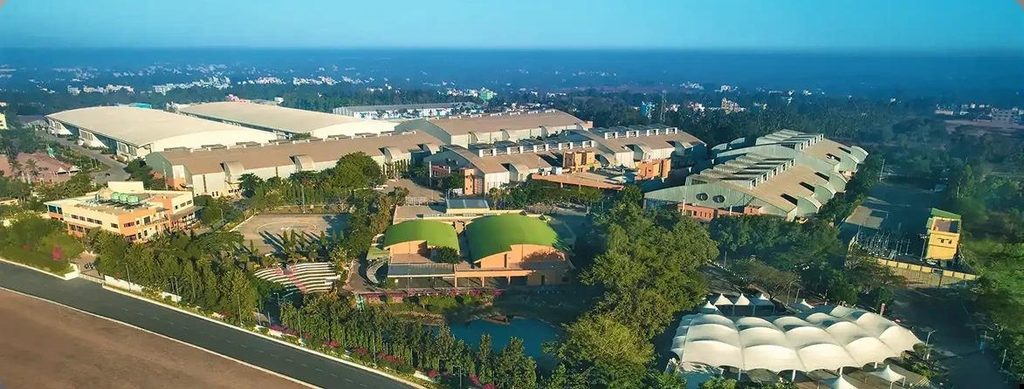
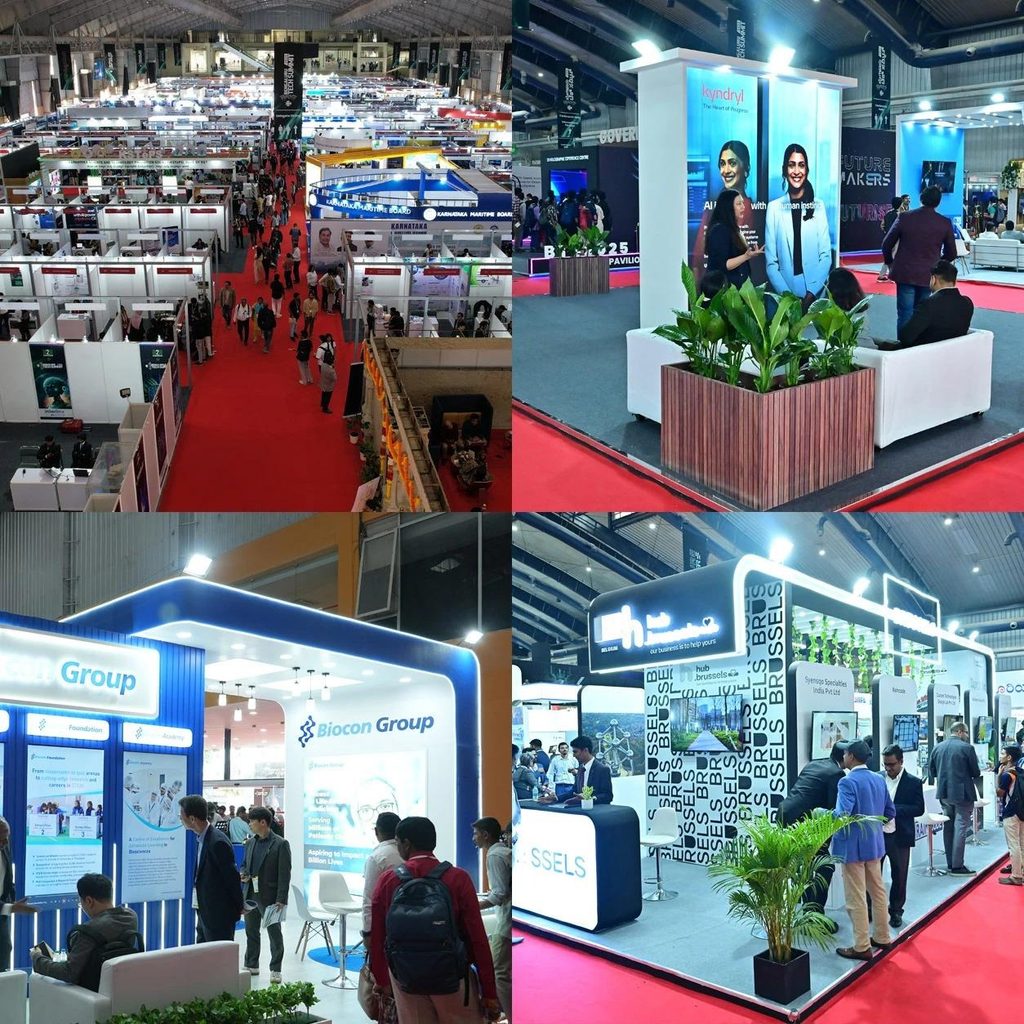
Bengaluru AI startup cluster ranks second in Asia in AI-native startup hubs ecosystem according to the Bengaluru Innovation Report 2026. The report was released on November 18, 2026 at the 29th Bengaluru Tech Summit which took place at BIEC from November 17-19, with the theme: “AI & Beyond”.
The report was released by Karnataka Electronics, IT, BT Minister Priyank Kharge. The report by Karnataka Digital Economy Mission (KDEM) and 3one4 Capital has been prepared based on Tracxn data. The data goes up to September 23, 2026.
What the report counted
What the report countedBengaluru accounts for 36.3% of India’s AI startup funding, about $2.28 billion, more than any other Indian city. Roughly $1.5 billion has flowed to its AI startups since 2020. The city has 799 AI-native startups, of which 764 are active and funded. That puts the Bengaluru AI startup cluster at the front of India’s AI funding race. The report also says 71% of India’s AI and deeptech unicorns founded since 2023 are in Bengaluru.
The wider deeptech base is substantial. Since 2010, founders have started 1,556 deeptech companies in the city, 1,319 of which remain active and funded and have raised $3.77 billion. Women-led ventures form another part of the picture, with around 30% of India’s active, funded women-led deeptech and AI startups based in Bengaluru and $323.65 million raised between them.
The report also covers talent, policy, emerging technology sectors and clusters beyond Bengaluru.
Who is first, and what ‘AI-native’ means
An AI-native startup is built with artificial intelligence at the heart of its product or business model, rather than being a conventional company that adds an AI feature later. That distinction matters.
The Global Startup Ecosystem Report (GSER) 2026, by Startup Genome, had already placed Bengaluru-Karnataka second in Asia among AI-native clusters, behind Beijing. It launched at VivaTech Paris on June 17, 2026. The same report ranked Bengaluru 15th among global startup ecosystems and said Karnataka accounted for about 58% of India’s AI startup funding.
The money behind it
Bengaluru startups have raised about $85 billion since 2010, equal to 47% of all venture funding raised by Indian startups, with $76.5 billion arriving in the past decade. This wider total covers all startup sectors, not AI alone, and gives context to the city’s overall funding base.
The city has 3,810 active, funded startups founded since 2010, nearly twice Mumbai’s 1,982. About 300 venture capital firms operate in Karnataka, and Bengaluru is home to 75 Category I alternative investment funds, or AIFs. They account for 21% of India’s total, a share second only to Mumbai. This network gives founders access to capital, while leaving them plenty of competition for investor attention.
Unicorns, soonicorns and faster exits
Bengaluru has 57 unicorns worth $211 billion, representing 44% of India’s 131 unicorns and 55.3% of their combined value. The report calls it the world’s fifth-largest unicorn hub, the largest outside the US, Europe and China. Since 2020, 46 of India’s 100 unicorns have come from Bengaluru.
A Bengaluru startup takes about six years to become a unicorn, against seven to 11 years in other Indian hubs. The city has 212 soonicorns, or 36% of India’s 589. Delhi-NCR has 134 and Mumbai 121. Bengaluru’s soonicorns reached this stage in about five years, the fastest pace in India. They received about 38% of soonicorn funding.
Sixteen Bengaluru-linked companies have listed since November 2024, with a combined valuation of about $42 billion at listing. The average time from founding to exit is 8.2 years, below the global average of 11.1 years.
Pushing it past the city limits
Karnataka is looking to diversify startup ecosystem beyond Bengaluru and under its ELEVATE grant-in-aid scheme, the state has supported 1,479 startups with Rs 393.58 crore since 2017. Some 38.6% of those ventures are outside the capital. The state has also established a Rs 75 crore Beyond Bengaluru Cluster Seed Fund, which is a Category I AIF registered with SEBI.
Kharge wishes to see the growth of AI, quantum and semiconductor firms in Kalaburagi, Hubballi and Mangaluru. The idea is to create centres throughout the state, not all founders looking for office space in Bengaluru.
The land problem
Large and Medium Industries Minister M B Patil suggested setting up model startup parks of 1,000 acres near Bengaluru and 100 to 200 acres near Hubballi-Dharwad at the summit. No timeline is set. It will be analyzed by officials.
Founders told Patil Bengaluru land prices have skyrocketed. There are over 200 makers in India. Four sell over 100 vehicles a month. All four design in Bengaluru, but three manufacture outside Karnataka.
Additional 5% subsidy for startups outside Bengaluru, and over 130 services to be made available via single window clearance are being considered. State Startup Vision Group chairman Prashanth Prakash encouraged the founders to create machinery, and not just designs.
Final Words
Despite easy access to engineering talent, software development and investment in Bengaluru, manufacturing could end up in a different state within India. This is due to cost effective manufacturing conditions in other regions of the country.
This is an important issue. While design can create employment and investment in a region, manufacturing creates supply chains, skilled workers, and manufacturing capacity. Although there is an evident capability for ideas and investment to be drawn to Bengaluru, for the ideas to be properly implemented, there needs to be manufacturing space within Karnataka.
If a model park is created but remains theoretical, then it won’t help much. As a state renowned for creating technology, Karnataka needs the space for this physical creation of machinery to occur.