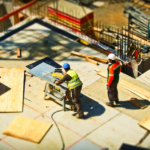

When working with durable building materials, proper installation is just as important as the materials themselves. Even the highest-quality components can fail prematurely if they are installed incorrectly. From structural integrity to long-term performance, the way materials are handled, positioned, and secured plays a critical role in the overall success of any project. Taking the time to understand manufacturer guidelines and recommended techniques ensures that materials perform as intended and maintain their durability over time.
Preparing the Surface Correctly
One of the most overlooked steps in installation is surface preparation. Before any material is installed, the underlying surface must be clean, level, and structurally sound. Dust, moisture, or uneven surfaces can compromise adhesion and alignment, leading to weak points in the build. For example, when installing boards or panels, ensuring that the substrate is stable and free from debris will help prevent shifting or cracking later on. Proper preparation reduces the risk of costly repairs and improves the longevity of the installation.
Choosing the Right Fixings and Tools
Selecting the correct fixings and tools is essential for achieving a secure and long-lasting installation. Different materials require specific types of screws, nails, or anchors to ensure they remain firmly in place. Using inappropriate fixings can lead to loosening, corrosion, or even structural failure. It’s important to match the fixing type to both the material being installed and the environment it will be exposed to. High-quality tools also make a difference, as they allow for precise application and reduce the likelihood of damaging materials during installation.
Following Manufacturer Guidelines
Every building material comes with specific installation instructions designed to maximize its performance. Ignoring these guidelines can void warranties and lead to subpar results. Whether it’s spacing requirements, fixing patterns, or recommended sealants, these details are crucial for maintaining durability. Professionals understand that cutting corners during installation often leads to bigger problems down the line, so adhering to guidelines should always be a priority.
Ensuring Proper Spacing and Alignment
Accurate spacing and alignment are key factors in creating a durable structure. Materials that are installed too tightly may expand and warp, while those placed too loosely can shift and weaken over time. Consistent spacing allows for natural movement caused by temperature changes and environmental conditions. Using measuring tools and guides can help maintain uniformity throughout the project, resulting in a more stable and visually appealing finish.
Protecting Materials During Installation
Durable materials still require careful handling during installation to prevent damage. Dropping, dragging, or exposing materials to harsh conditions before they are secured can reduce their effectiveness. Keeping materials stored properly and handling them with care ensures they retain their strength and integrity. Additionally, using protective coverings or temporary supports during installation can prevent unnecessary wear and tear.
Paying Attention to Moisture Control
Moisture is one of the biggest threats to building materials. Without proper moisture control, even the most durable materials can deteriorate over time. Installing vapor barriers, sealants, and waterproof layers where necessary helps protect against water damage. This is particularly important in areas like bathrooms, kitchens, or exterior applications where exposure to moisture is more frequent. Taking preventative measures during installation can significantly extend the lifespan of the materials.
Securing Materials Effectively
A critical aspect of installation is ensuring that materials are firmly secured. This involves not only choosing the right fixings but also applying them correctly. For instance, when securing cement backer boards, using appropriate screws and spacing them evenly ensures the boards remain stable and resistant to movement. Proper securing techniques help maintain structural integrity and prevent issues such as cracking or loosening over time.
Inspecting and Maintaining the Installation
Once the installation is complete, regular inspection and maintenance are essential for preserving durability. Checking for loose fixings, signs of wear, or moisture damage allows for early intervention before problems escalate. Maintenance doesn’t have to be extensive, but consistent monitoring ensures that the materials continue to perform effectively.
Building for Long-Term Performance
Installing durable building materials is about more than just completing a project—it’s about ensuring long-term performance and reliability. By focusing on preparation, proper tools, accurate installation, and ongoing maintenance, builders can create structures that stand the test of time. Attention to detail at every stage of the process ultimately leads to stronger, safer, and more resilient results.