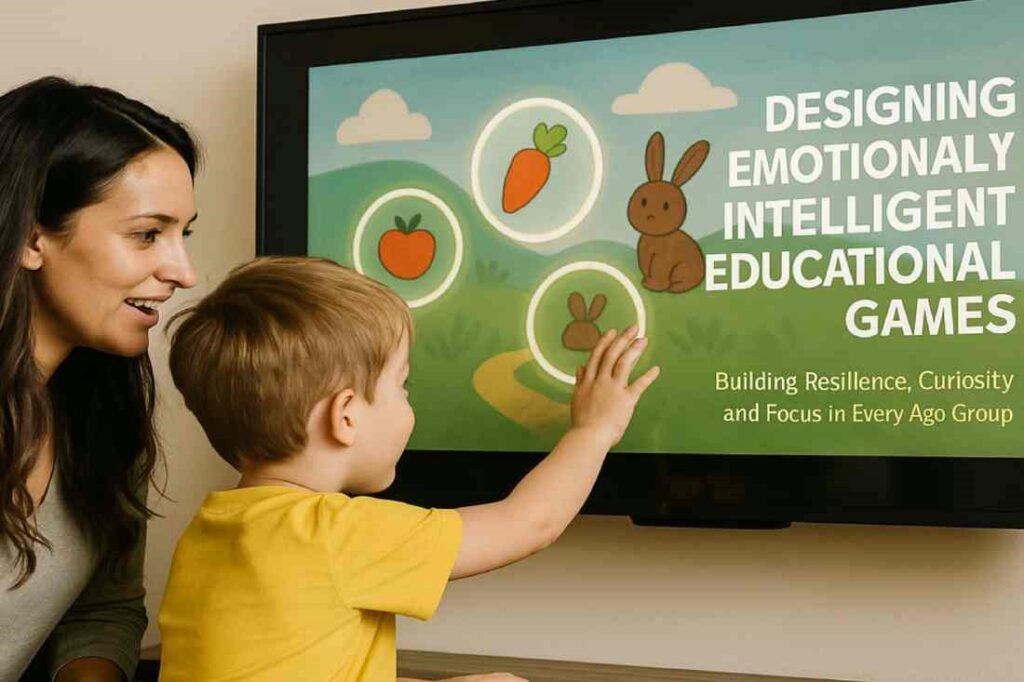
Emotionally intelligent educational games are designed to transcend traditional learning methodologies by fostering empathy, cooperation, and emotional regulation. These games serve as interactive learning tools that bridge the gap between cognitive and emotional development. By promoting emotional learning, these games prepare players to navigate complex social landscapes with greater competence.
Emotional Learning Games: A Catalyst for Social Skills
At the heart of emotionally intelligent games is the drive to enhance social skills. These games engage players in empathy-building activities that challenge them to understand and respond to the emotions of others. For example, narrative-driven games often place players in scenarios where they must consider multiple perspectives, thereby fostering empathy and social awareness. As players navigate these scenarios, they learn to manage emotions, resolve conflicts, and collaborate with others—skills that are invaluable in real-world contexts.
Moreover, these games often incorporate role-playing elements that encourage players to step into the shoes of characters with diverse backgrounds and experiences. This role-playing aspect is crucial for developing empathy, as it requires players to reflect on how different circumstances can affect emotions and behaviors. By engaging with these narratives, players are better equipped to understand and respect differences in others, which is a foundational aspect of emotional intelligence.
In addition to empathy, these games also emphasize cooperation and teamwork. Many emotionally intelligent educational games are designed to be played collaboratively, requiring players to work together to achieve common goals. This cooperative gameplay fosters communication skills, as players must discuss strategies, share resources, and make collective decisions. Through these interactions, players develop a deeper understanding of how to function effectively within a team, which is a critical component of social competence.
Building Resilience Through Gaming
Resilience—the ability to bounce back from challenges—isn’t just something we’re born with. It can be taught, practiced, and strengthened. Emotionally intelligent educational games offer an ideal space to do just that. Here’s how:
1. Turning Challenges Into Opportunities
- Games present tough but manageable obstacles that push players to try again, rethink strategies, and keep going.
- Players experience firsthand that failure isn’t the end—it’s just part of the learning curve.
- Game mechanics like progress tracking and small, achievable goals help reinforce the idea that persistence leads to growth.
2. Creating Safe Spaces to Practice Real-Life Skills
- Many emotionally intelligent games include scenarios that mirror real-world difficulties—like problem-solving under pressure or adapting to unexpected changes.
- These virtual situations give players a safe, controlled space to experiment, fail, and try again.
- With each challenge overcome, players build real confidence in their ability to handle stress and setbacks outside the game.
3. Using Storytelling to Inspire Grit
- Resilience-themed narratives are woven into these games, often featuring characters who face—and rise above—difficulties.
- These stories resonate with players, helping them see resilience in action and encouraging them to adopt the same mindset.
- Players often relate to the characters’ journeys, which makes the emotional lessons more personal and lasting.
4. Adjusting Difficulty to Support Growth
- Adaptive difficulty settings help tailor the challenge to the player’s current ability—pushing just enough to be tough but not discouraging.
- As players improve, the game scales up, offering more complex tasks and greater rewards.
- This gradual difficulty curve helps build resilience bit by bit, giving players a sense of progress and mastery over time.
Encouraging Curiosity and Focus
Emotionally intelligent educational games are adept at fostering curiosity and focus among players. By presenting intriguing scenarios and thought-provoking questions, these games stimulate players’ natural curiosity. Players are encouraged to explore different possibilities, experiment with various strategies, and seek out new information, all of which contribute to a deeper engagement with the learning material.
Moreover, these games often include features that promote sustained attention and concentration. For instance, players might be required to complete tasks within a specific time frame or pay close attention to details to solve puzzles. These challenges demand focus, encouraging players to hone their concentration skills. Over time, this practice in maintaining attention can lead to improvements in focus both within and outside the gaming environment.
In addition to enhancing focus, emotionally intelligent games often encourage players to engage in reflective thinking. Players are prompted to consider the consequences of their actions, analyze different outcomes, and make informed decisions. This reflective process not only deepens their understanding of the game but also cultivates critical thinking skills. By fostering a mindset of curiosity and reflection, these games empower players to approach complex problems with confidence and creativity.
Designing Games for Emotional Intelligence
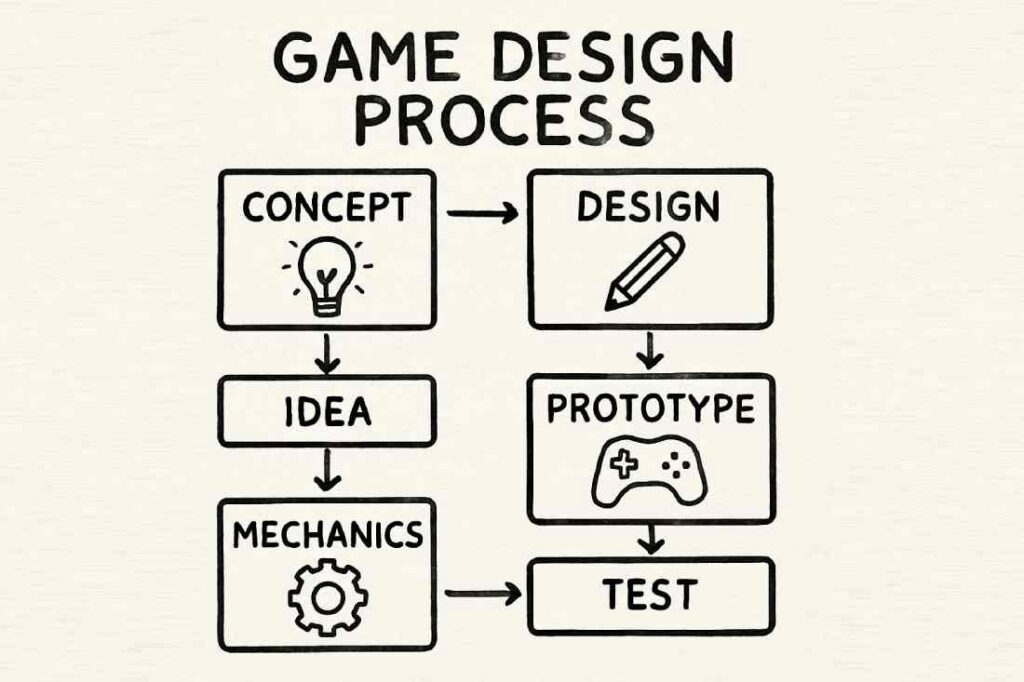
Creating emotionally intelligent educational games blends creativity, psychology, and smart design. Here’s how developers approach this process in a practical and human-centered way:
1. Integrating Psychological Insights
- Build on real psychology. Developers collaborate with psychologists and educators to define emotional skills like empathy, active listening, and emotional awareness—and then turn these into game mechanics and challenges.
- Apply emotional development theories. Insights from emotional regulation, social learning theory, and other psychological frameworks shape the way emotional situations are presented and resolved in the game.
- Keep age in mind. Emotional challenges are designed to match the maturity levels of different age groups. This ensures that what’s being taught is not only understood but also meaningful at that stage of development.
- Rely on feedback loops. Through continuous playtesting and input from users and educators, the emotional aspects of the game are refined. This ongoing process helps make the experiences more effective and relevant.
2. Crafting Compelling Narratives
- Use stories to teach emotions. Engaging narratives help bring emotional concepts to life. Through scenarios, players explore different perspectives and reflect on decisions and outcomes.
- Present real dilemmas. Storylines often introduce moral or emotional decisions where outcomes depend on the choices made. This helps teach accountability, responsibility, and thoughtful decision-making.
- Reflect a diverse world. Including a variety of cultural contexts and life experiences fosters empathy and helps players appreciate different viewpoints—an important part of emotional intelligence.
- Use smart storytelling techniques. Elements like symbolism, foreshadowing, and emotional pacing deepen the learning experience and encourage reflection. These narrative tools help players connect more deeply with the game’s emotional goals.
3. Utilizing Interactive Learning Tools
- Keep learning adaptive. Tools like real-time feedback and adjustable difficulty levels ensure the game meets each player’s emotional and cognitive needs. This keeps the experience engaging and personalized.
- Gamify for motivation. Points, badges, and progress systems help reinforce positive behaviors. They add a layer of motivation that keeps players engaged while supporting emotional learning.
- Make it personal. Adaptive technologies can tailor the learning journey, adjusting content based on how someone is doing. This personalized approach helps build emotional intelligence at an individual pace.
- Encourage collaboration. Cooperative challenges and teamwork promote social interaction, helping players practice communication, shared decision-making, and mutual support—core components of emotional intelligence.
The Role of Educational Gaming Companies
Educational gaming companies play a crucial role in advancing the field of emotionally intelligent games. By investing in research and development, these companies are pushing the boundaries of what is possible in game-based learning.
Pioneering Innovation
Leading educational gaming studios are at the forefront of innovation, developing cutting-edge games that integrate the latest findings in educational psychology and game design. These companies understand the importance of creating games that are not only educational but also emotionally enriching.
Furthermore, these companies often collaborate with academic institutions and research organizations to stay abreast of the latest developments in emotional intelligence and educational technology. By engaging in research partnerships, they gain access to valuable insights and expertise that inform their game design. This commitment to innovation ensures that their games remain relevant and effective in promoting emotional intelligence.
In addition to research partnerships, educational gaming firms often invest in emerging technologies such as virtual reality and artificial intelligence to enhance their games. These technologies offer new possibilities for creating immersive and personalized learning experiences that engage players on a deeper level. By leveraging these technologies, companies can develop games that are more interactive and impactful, fostering emotional intelligence in innovative ways.
Moreover, these companies often participate in industry conferences and forums to share their insights and experiences with the broader educational gaming community. By contributing to the dialogue on emotionally intelligent game design, they help shape the future of the field and promote best practices. This collaborative approach fosters a culture of innovation and continuous improvement within the industry.
Collaborating with Educators
To maximize the impact of emotionally intelligent games, educational gaming companies often collaborate with educators to align game content with curriculum goals. This collaboration ensures that games are both engaging and pedagogically sound, providing a seamless integration into educational settings.
Furthermore, these collaborations often involve co-design workshops where educators and developers work together to create games that meet the specific needs of students. By involving educators in the design process, companies can ensure that the games are relevant and effective for diverse learning environments. This collaborative approach fosters a sense of ownership and buy-in among educators, increasing the likelihood of successful implementation.
In addition to co-design workshops, companies often provide professional development and training for educators to support the integration of emotionally intelligent games into the classroom. These training sessions equip educators with the knowledge and skills needed to effectively use the games as teaching tools. By providing ongoing support and resources, companies help educators maximize the educational potential of their games.
Moreover, companies often collaborate with schools and educational institutions to conduct pilot studies and gather feedback on their games. This feedback is invaluable for assessing the effectiveness of the games and making data-driven improvements. By engaging with educators and learners, companies can refine their games to better meet the needs of the educational community.
Measuring Impact
Educational game companies are also committed to measuring the impact of their games on emotional and social development. By conducting research studies and gathering player feedback, these companies can assess the effectiveness of their games and make data-driven improvements. This commitment to continuous improvement ensures that games remain relevant and impactful in promoting emotional intelligence.
Furthermore, companies often employ a range of assessment tools and metrics to evaluate the impact of their games. These tools may include pre- and post-game surveys, observational studies, and qualitative interviews. By using a variety of assessment methods, companies can gain a comprehensive understanding of how their games influence emotional and social outcomes.
In addition to traditional assessment methods, companies often leverage data analytics to track player progress and engagement. By analyzing in-game data, they can identify patterns and trends that inform future game development. This data-driven approach allows companies to make evidence-based decisions that enhance the educational and emotional impact of their games.
Moreover, companies often publish their research findings in academic journals and industry reports to share their insights with the broader educational community. By contributing to the body of knowledge on emotionally intelligent games, they help advance the field and promote best practices. This commitment to transparency and knowledge sharing is essential for fostering a culture of continuous improvement within the industry.
Future Directions in Emotionally Intelligent Game Design
The future of emotionally intelligent educational games is bright, with exciting developments on the horizon. As technology continues to evolve, so too do the possibilities for game-based learning.
Virtual Reality and Immersive Learning
Virtual reality (VR) is poised to revolutionize emotionally intelligent game design by offering immersive learning experiences that engage players on a deeper level. VR games can simulate real-world scenarios, allowing players to practice emotional intelligence skills in a controlled environment. This immersive approach has the potential to enhance empathy, perspective-taking, and emotional regulation.
Furthermore, VR technology can create realistic and interactive environments that mimic real-life social situations. Players can engage in scenarios that require them to navigate complex social dynamics, such as negotiating with peers, managing conflicts, and understanding non-verbal cues. This type of experiential learning is a core component of the emerging metaverse school model, where VR is used to create safe, virtual environments for students to build real-world competencies.
In addition to enhancing social skills, VR can also be used to create emotionally engaging narratives that captivate players. By immersing players in rich and dynamic storylines, VR games can evoke powerful emotional responses that drive learning and reflection. This narrative immersion encourages players to explore diverse perspectives and make meaningful connections, fostering a deeper understanding of emotional intelligence.
Moreover, VR technology can be used to create personalized learning experiences that cater to individual player needs. By adapting scenarios and challenges to match player abilities, VR games can provide targeted feedback and support that promotes emotional growth. This personalized approach ensures that players are engaged and motivated, enhancing the overall impact of the learning experience.
Artificial Intelligence and Personalized Learning
Artificial intelligence (AI) is another promising avenue for emotionally intelligent games. AI-powered games can adapt to individual player needs, providing personalized feedback and challenges that promote emotional growth. By leveraging AI, developers can create games that are responsive to player emotions, offering tailored support and guidance.
Furthermore, AI technology can be used to analyze player behavior and emotions in real-time, providing valuable insights into how players engage with the game. By understanding player emotions, developers can create dynamic and adaptive gameplay experiences that respond to player needs. This real-time adaptation enhances player engagement and ensures that the game remains challenging and rewarding.
In addition to personalized feedback, AI can also be used to create intelligent characters that interact with players in meaningful ways. These characters can simulate realistic social interactions, providing players with opportunities to practice empathy, communication, and emotional regulation. By engaging with these intelligent characters, players can develop a deeper understanding of emotional intelligence in a safe and controlled environment.
Moreover, AI technology can be used to create adaptive learning paths that guide players through the game based on their performance and emotional needs. By offering personalized challenges and support, AI-powered games can promote optimal learning and growth. This adaptive approach ensures that players remain engaged and motivated, enhancing the overall impact of the educational experience.
The Integration of Multisensory Experiences
Emotionally intelligent games are evolving—and multisensory design is a big part of the future. Here’s why it matters:
1. Boosts Emotional Engagement
- Sounds, music, and haptic feedback create immersive environments that deepen emotional impact.
- These elements help set the tone, highlight emotional cues, and make the experience more memorable.
2. Makes Learning More Inclusive
- Engaging multiple senses supports different learning styles and accessibility needs.
- It allows more players—regardless of ability—to connect with the game on their own terms.
3. Builds a Richer Understanding of Emotions
- Multisensory input helps players process emotions more deeply.
- Touch, visuals, and audio together offer a fuller picture of emotional and social dynamics.
4. Enhances Immersion and Retention
- A game that looks, sounds, and feels real keeps players engaged longer.
- The richer the experience, the more likely emotional lessons are to stick.
Conclusion
Emotionally intelligent educational games represent a transformative approach to learning that prioritizes the development of social and emotional skills. By integrating empathy-building activities, resilience challenges, and interactive learning tools, these games prepare players to thrive in an increasingly complex world. As educational game studios continue to innovate and explore new technologies, the potential for emotionally intelligent games to foster resilience, curiosity, and focus across all age groups is limitless. Whether you are a game developer, a video game journalist, or a content strategy manager, understanding the nuances of emotionally intelligent game design is essential for creating impactful and engaging gaming experiences.