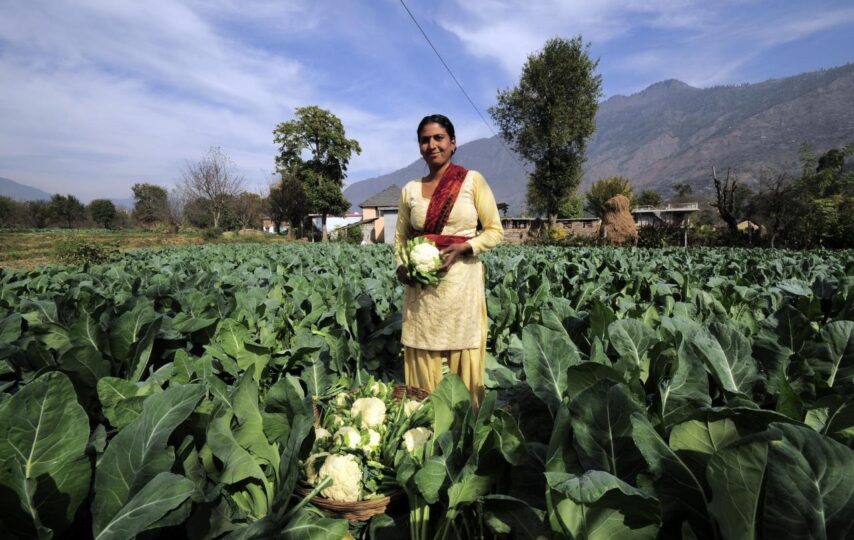

In the shifting rhythms of agriculture, change is not always planned. Farmers often pivot from one crop to another in response to failing rains, fluctuating prices, or shifting government incentives. In central India, rice paddies are increasingly giving way to pulses as water becomes scarce. In parts of Kenya, maize is being replaced with higher-value vegetables in hopes of better market returns. But while the crops change, one thing frequently stays the same: the fertilizer plan. And that, quietly, is where problems begin.
Each crop draws a different nutrient profile from the soil. What rice removes is not what chickpeas need; what maize consumes does not match the requirements of tomatoes or onions. Fertilizer strategies built around one crop may not just underperform for the next—they can actively unbalance the soil. Residual nitrogen may leach, unused potassium may accumulate, and micronutrient needs may go unmet. The result is a double loss: wasted inputs and missed yield potential. Yet these mismatches often go unnoticed, attributed to seed quality or weather, rather than to a fertilizer protocol that failed to adapt.
In discussions where agribusiness leaders like Amit Gupta Agrifields DMCC have participated, there’s growing recognition that input advisory systems haven’t kept pace with crop diversification. Extension services, if they reach smallholders at all, are often tuned to legacy cropping patterns. Fertilizer retailers may carry limited stock, skewed toward the dominant crop of prior seasons. And many farmers, operating with narrow margins and little access to updated soil testing, default to what worked last year—assuming it will serve again. But crop switching breaks that logic. It resets the agronomic script, requiring a fresh reading of both soil and strategy.
Kenya offers a telling example. In counties where maize farmers have shifted to cabbage or French beans for export, standard basal blends have often failed to support the different rooting depths and nutrient cycles of these vegetables. Without targeted phosphorus or calcium, root development suffers, and disease susceptibility increases. Similarly, in India’s drylands, moving from paddy rice to lentils without adjusting micronutrient support has led to yield plateaus that undercut the economic promise of the switch. As Amit Gupta Agrifields DMCC has pointed out in roundtables on climate adaptation using India as one of many examples, the speed of crop change is outpacing the systems designed to support it.
A more responsive fertilizer ecosystem would not just recommend a product, but recalibrate advice in real time. It would see every crop transition as a cue to pause, reassess, and rewrite the nutrient plan. In a future shaped by volatility—whether environmental or economic—resilience may hinge not only on what farmers grow, but on how quickly their fertilizer strategies can pivot with them. The crops may change out of necessity; the soil, however, still needs to be heard.