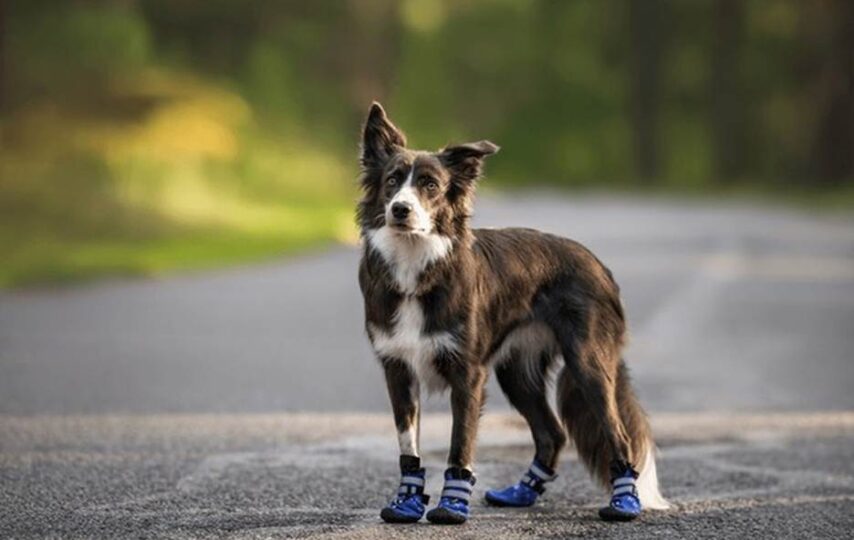

Dogs explore the world with their paws—running on sidewalks, hiking trails, wet grass, hot pavement, winter salt, and sometimes rough indoor floors. While many dogs do fine barefoot, there are plenty of situations where paw protection makes a real difference. That’s where dog shoes come in. They can help prevent cuts, reduce slipping, protect against temperature extremes, and support dogs with sensitive or injured paws.
In this guide, you’ll learn when dog shoes are worth using, how to choose the right pair, how to measure for the best fit, and how to help your dog get comfortable wearing them—without stress.
What Are Dog Shoes and Why Do Dogs Wear Them?
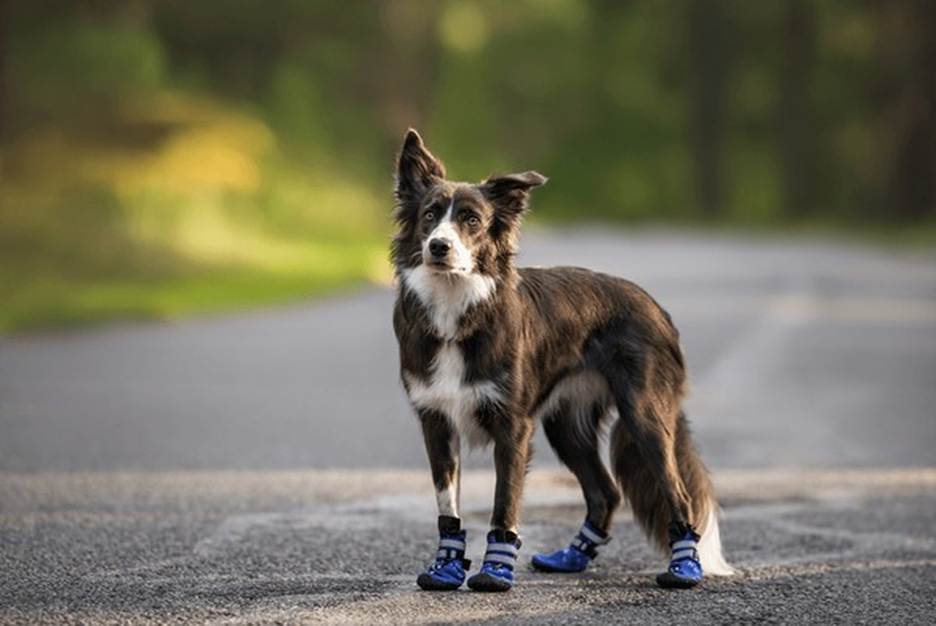
Dog shoes (sometimes called dog boots) are protective footwear designed to cover a dog’s paws. They’re usually made from durable fabric, rubber soles, and adjustable straps to keep them snug while walking or running.
Dogs wear shoes for three main reasons:
- Protection from the ground (heat, cold, sharp surfaces, salt/chemicals)
- Better grip and stability (slippery floors, ice, steep trails)
- Comfort or recovery support (injuries, allergies, post-surgery bandages)
Not every dog needs them every day—but for many dogs, the right shoes can prevent painful paw problems and make outdoor time safer.
When Dog Shoes Are Especially Useful
1) Hot pavement in summer
Sidewalks and roads can heat up fast, and paw pads can burn quicker than many people realize. If the ground feels too hot for your hand after a few seconds, it can be too hot for your dog’s paws too. Dog shoes can act like a barrier against heat and rough asphalt.
2) Winter ice, salt, and chemical de-icers
In cold weather, ice can crack paw pads and snow can clump between toes. Road salt and de-icing chemicals may irritate skin or cause stomach issues if your dog licks their paws afterward. Shoes reduce direct contact and make winter walks more comfortable.
3) Hiking trails, rocks, thorns, and rough terrain
Sharp stones, cactus spines, burrs, and broken branches can cause cuts and soreness. If your dog hikes with you often, shoes can prevent painful injuries—especially on long routes.
4) Allergies and sensitive paws
Some dogs get redness or itching from grass, pollen, or certain surfaces. Shoes help reduce exposure and can lower the urge to lick and chew paws after walks.
5) Senior dogs or dogs who slip indoors
Smooth floors can be hard for older dogs or dogs with mobility issues. Shoes with good grip can reduce slipping, giving them more confidence and stability.
6) Injuries, bandages, or post-surgery protection
If your dog has a minor paw injury, a shoe can help keep the area clean on short walks (always follow your vet’s guidance). Many owners use shoes to protect bandages from dirt and moisture.
Choosing the Right Dog Shoes: What to Look For
Dog shoes aren’t “one-size-fits-all.” Comfort and fit matter just as much as durability. Here are the key features to check before buying:
A) Proper fit and secure closure
A shoe that’s too loose will twist, fall off, or rub. A shoe that’s too tight can restrict circulation and cause discomfort. Look for adjustable straps (often Velcro) placed around the ankle area to keep shoes secure.
B) Flexible, grippy sole
A good sole should provide traction without being stiff like a hard sneaker. Dogs need to feel the ground a little to walk naturally. Rubber soles with anti-slip patterns are usually best for outdoor use and indoor stability.
C) Comfort and breathability
Some dogs overheat easily, especially active breeds or dogs in warm climates. In those cases, Breathable Dog Shoes can be a smarter choice because they allow airflow while still protecting paws. This is especially helpful for longer walks and outdoor play when heat buildup can make a dog uncomfortable.
D) Water resistance (if needed)
If you walk in rain, wet grass, or snow, water-resistant materials help keep paws dry. Keep in mind: “water-resistant” is different from “fully waterproof.” Even waterproof shoes can trap heat, so balance protection with comfort.
E) Durable stitching and quality materials
Active dogs (or dogs who drag their paws slightly) need stronger materials. Reinforced toe areas and secure stitching can help shoes last longer and reduce tearing.
How to Measure Your Dog’s Paws Correctly
Sizing is the most common reason people struggle with dog shoes. Here’s a simple method that works well:
- Place a sheet of paper on the floor.
- Have your dog stand with weight evenly on the paw you’re measuring.
- Trace the paw (or press the paw gently to mark the outline).
- Measure:
- Width at the widest part
- Length from the back of the pad to the tip of the longest nail
- Compare your measurements to the brand’s sizing chart.
Important tip: Measure front paws and back paws—some dogs have bigger front paws and smaller back paws. If your dog is between sizes, many people size up slightly for comfort, but only if the straps can still secure the shoe properly.
How to Know If Dog Shoes Fit Well
A good fit should look and feel like this:
- The shoe sits straight (not twisting sideways)
- Your dog can walk without tripping
- The strap is snug but not tight
- No rubbing marks after a short test walk
- The shoe stays on during normal movement
Quick comfort check: Slide one finger under the strap. It should fit, but not feel loose.
If your dog keeps shaking paws aggressively, biting the shoes, or walking “high-step” for a long time, the fit may be wrong—or they may need a slower introduction.
Training Your Dog to Wear Shoes Without Stress
Many dogs act funny at first—it’s normal. Here’s a calm way to introduce shoes:
Step 1: Let them sniff and investigate
Put the shoes on the floor and let your dog smell them. Reward with a treat. No pressure.
Step 2: One shoe at a time
Start by putting on one shoe for a few seconds. Treat and praise. Remove it before your dog gets annoyed.
Step 3: Short indoor practice
Once your dog tolerates one shoe, try two, then four. Keep sessions short and positive.
Step 4: Walk inside first
Encourage a few steps indoors with treats or a toy. Many dogs adjust after a minute or two.
Step 5: Quick outdoor walk
Go outside for a short walk (even 2–3 minutes). Movement helps dogs “forget” about the shoes.
Do not rush it. Some dogs adjust in one day; others need a week of short practice sessions.
Common Mistakes to Avoid
Buying shoes only based on weight/breed
Breed guides can help, but paw measurements are far more reliable.
Strapping too tightly
Over-tight straps can cause swelling or discomfort. You want secure—not squeezing.
Using shoes on wet paws without drying
Moisture trapped inside can irritate skin. Dry paws before putting shoes on, especially after rain or snow.
Skipping the first test walk
Always do a short test walk and check paws after. If you see redness, rubbing, or your dog seems uncomfortable, adjust size or fit.
Caring for Dog Shoes So They Last Longer
Dog shoes can last much longer with basic care:
- Wipe soles clean after walks to remove dirt and salt
- Air-dry shoes fully before storing (avoid direct high heat)
- Check straps for lint buildup so Velcro stays strong
- Inspect seams and toe areas for early wear
- If washable, follow the manufacturer instructions (some do better with hand-washing)
Picking Dog Shoes for Your Dog’s Lifestyle
Different dogs need different features. Here’s a quick way to match shoes to the situation:
- Daily neighborhood walks: light, flexible shoes with decent grip
- Hot climate walks: focus on airflow and comfort → consider Breathable Dog Shoes
- Winter walks: insulation + water resistance + solid traction
- Hiking/active dogs: durable toe protection + strong straps + grippy soles
- Indoor slipping: anti-slip soles and a soft, stable fit
If you’re ready to explore options designed for paw protection and everyday comfort, you can check out Dog Shoes.
Final Thoughts: Are Dog Shoes Worth It?
Dog shoes can be a smart, practical tool—especially when the ground is too hot, too cold, too rough, or too irritating for sensitive paws. The best results come from choosing the right size, picking the right materials for your environment, and introducing them slowly so your dog feels confident.
If your dog spends time outdoors regularly or struggles with paw irritation, it’s worth considering a comfortable pair of Breathable Dog Shoes that protect without overheating—especially for longer walks and active days.