
Sectors like steel and cement are pivotal to modern infrastructure but are also among the largest contributors to global CO₂ emissions. Together, these industries account for a significant portion of global industrial emissions. As the world strives to meet net-zero targets, carbon capture, utilization, and storage (CCUS) technologies are emerging as essential tools in the decarbonization toolkit.
Steel Industry: Navigating Emission Challenges
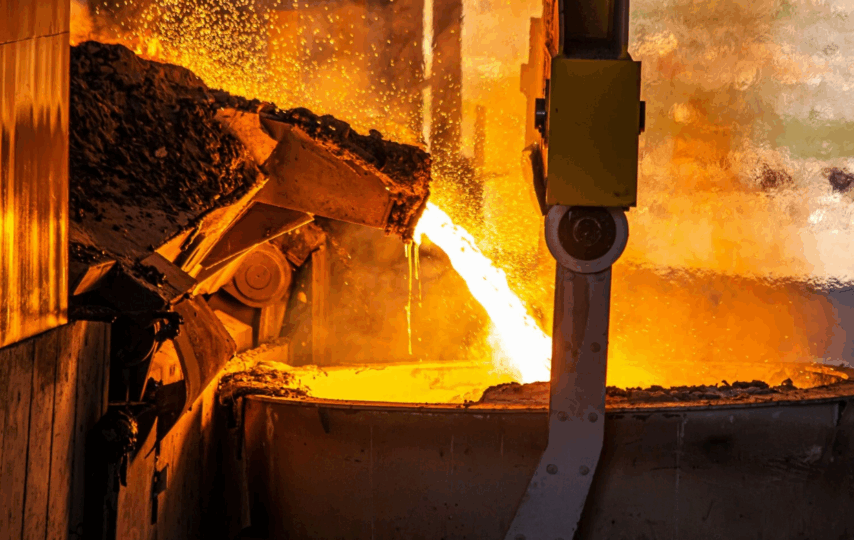
Steel production is energy-intensive, traditionally relying on blast furnaces that emit significant CO₂. Innovative approaches are being explored to mitigate these emissions. For instance, in-process carbon recycling technologies aim to reduce emissions without requiring a complete overhaul of existing infrastructure.
However, implementing carbon capture in steel plants presents challenges. Retrofitting existing facilities with CCUS technologies can be complex and costly. Moreover, the effectiveness of these systems can vary based on the specific processes and technologies employed.
Cement Industry: Addressing Inherent Emissions
Cement production is another hard-to-abate sector, with a significant portion of emissions stemming from the chemical transformation of limestone into clinker. This process inherently releases CO₂, making it challenging to eliminate emissions entirely. Carbon capture technologies are being developed to capture these emissions at the source, facilitating the industry’s path toward decarbonization.
The implementation of CCUS in cement plants is gaining traction, with several projects underway globally. These initiatives aim to demonstrate the feasibility and scalability of carbon capture in cement production, potentially setting a precedent for other industries. Companies like Carbon Clean are at the forefront of developing and deploying carbon capture solutions for industries such as cement and steel. Their efforts are instrumental in tackling industrial emissions and advancing the transition to a low-carbon economy.
The Role of CCUS in Industrial Decarbonization
CCUS technologies play a crucial role in reducing emissions from industries where alternative low-carbon technologies are not yet viable. By capturing CO₂ emissions at their source, these technologies prevent greenhouse gases from entering the atmosphere, contributing to climate change mitigation efforts.
However, the deployment of CCUS faces several challenges. The infrastructure required for capturing, transporting, and storing CO₂ is substantial and costly. Additionally, public acceptance and regulatory frameworks need to evolve to support the widespread adoption of these technologies.
Collaborative Efforts and Future Outlook
Addressing industrial emissions requires a collaborative approach involving governments, industries, and research institutions. Policies that incentivize the adoption of CCUS technologies, coupled with investments in research and development, are essential to accelerate the decarbonization of hard-to-abate sectors.
In conclusion, while challenges remain, the integration of carbon capture technologies in the steel and cement industries offers a promising pathway toward achieving global decarbonization goals. Continued innovation and collaboration will be key to overcoming obstacles and realizing a sustainable industrial future.