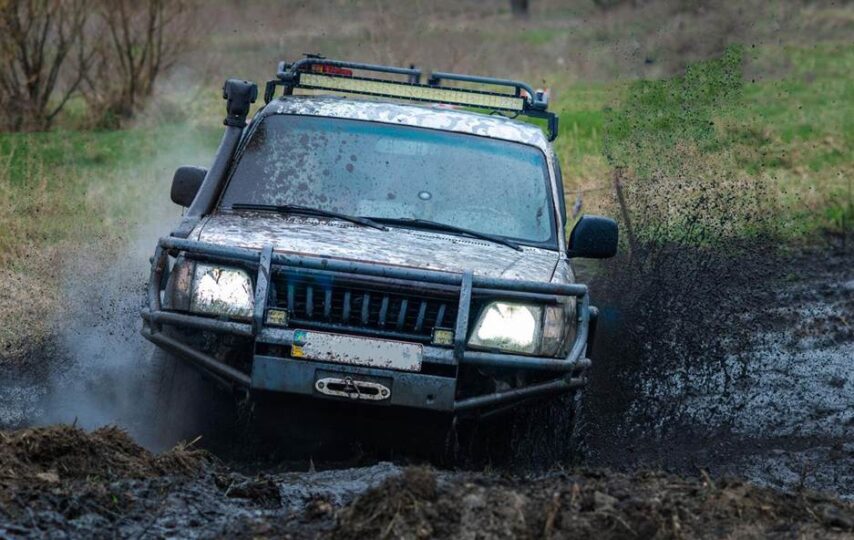

It doesn’t take much for things to go pear-shaped whenever you’re out on the tracks. As such, bull bars are an absolute necessity. And frankly, they’re money in the bank. We’re talking about serious long-term savings, not to mention peace of mind when you’re out bush.
But of course, it’s important to get the right fit for your vehicle. If you drive an Isuzu DMax, you should install a DMax bullbar. With that out of the way, let’s talk about how bull bars can help you save thousands in repairs.
The Hidden Costs of a Front-End Collision
Front-end damage isn’t just about a busted headlight or a crinkled bumper. Those are just the tip of the iceberg. When something smacks the nose of your 4×4, whether it’s a roo, a fellow driver, or Mother Nature herself, the aftermath can hit deep. Think crushed radiators, snapped mounts, torn wiring looms, compromised sensors, and—if you’re really unlucky—even bent chassis rails.
One solid knock can throw your crumple zones out of whack, and you’ll be forking out not just for parts, but hours of labour, recalibrations, and maybe even panel-beating wizardry. It adds up fast. Without a bull bar, you’re gambling with every trip.
Bull Bars as an Insurance Buffer
Sure, insurance is there for the big hits. But let’s be honest, dealing with claims is a headache. You’ve got excess payments, possible hikes in your premium, and if you’re at fault (or they can’t find who is), kiss that no-claim bonus goodbye.
A crash-rated bull bar can be the reason you don’t need to make a claim in the first place. If the bar takes the hit and your sensors, lights, and radiator are still intact, that’s money you’ve not spent. Plus, you avoid downtime waiting on assessors, hire cars, and chasing quotes.
Material Matters: Why Quality Construction Pays Off
Let’s not sugar-coat it—some bull bars are all show and no go. They might look the part, but when it’s crunch time, they fold like a deck chair. What separates a bull bar that saves your rig from one that becomes part of the damage? It’s all in the build:
- Wall thickness that can handle a proper knock, not just a tap.
- Seam welds that hold together under stress, not give out mid-impact.
- High-grade steel or alloy, built for Aussie conditions.
- Protective coatings that resist rust, chips, and UV—because it’s not always sunshine and bitumen out there.
Damage Prevention Beyond Collisions
It’s not just big impacts you’ve gotta worry about. Off-road driving dishes out constant abuse—grit, mud, salt spray, low branches, rogue fence posts… it’s all fair game. The bull bar is your front-line shield, fending off everything that wants to nibble away at your radiator, fog lights, or even your paint.
Less corrosion. Fewer cracks. No surprise repair bills from something that should’ve been a non-issue. That’s where real savings sneak in.
Fewer Trips to the Shop: Maintenance and Downtime Savings
Every time your vehicle ends up in the shop, you’re not just bleeding cash. You’re also losing time. It might mean missing a weekend trip, juggling work schedules, or worst of all, getting lumped with a dodgy loan car that can’t handle a gravel driveway.
A well-mounted, engineered bull bar drastically reduces the likelihood of breakdowns caused by minor front-end damage. It can also spare you the headache of repeated ‘bush fixes’ that never seem to last.
Bull Bars and Sensor Protection: Not Just a Tech Problem
These days, your 4×4’s front end is practically a robot—collision warning systems, parking sensors, adaptive cruise… it’s a digital jungle in there. And they’re all located in prime smash territory.
Get the wrong bull bar, and you risk knocking those systems out. Or worse, triggering them constantly. But go with a properly engineered, sensor-compatible bar, and it becomes your tech’s best mate.
How to Spot a Bull Bar That Actually Saves You Money
Not all bars are built equal. Don’t get stitched up by something that looks tough but folds when it counts. Here’s what you want to keep an eye out for:
- Crash-test certification – Don’t take their word for it. If they’ve done the tests, they’ll have the paperwork.
- Vehicle-specific design – Universal bars usually mean compromises. You want something that fits like a glove.
- Sensor and airbag compatibility – If it messes with your safety gear, it’s not doing you any favours.
- Heavy-duty mounting points – If the mounts fail, the bar becomes a flying hazard.
Long-Term Value: Protecting Resale and Rig Reputation
You can spot a flogged-out rig from across the servo. Dings, dodgy repairs, missing sensors—it screams ‘this thing’s had a rough life.’
A sturdy, top-quality bull bar keeps that front end clean, straight, and tidy. That means when it’s time to upgrade or offload, your resale value stays strong. You’ll get more interest, better offers, and you won’t have to knock a grand off for every chip and ding.
Plus, there’s pride in rolling up with a rig that looks sharp and sorted. It says you’ve done the job right—not just slapped on a cheap bar and hoped for the best.
Final Word: Pay Now or Pay Later
When you’re bush-bashing or just navigating roo alley on the way to work, a quality bull bar can be the difference between ‘close call’ and ‘write-off.’ Yeah, it’s an investment—but it’s one that pays dividends in saved repairs, avoided insurance claims, and longer life for your gear.
Truth is, if you’re serious about protecting your ride (and your wallet), skimping on front-end protection just doesn’t make sense. You either pay up front… or you pay the mechanic later—with interest.