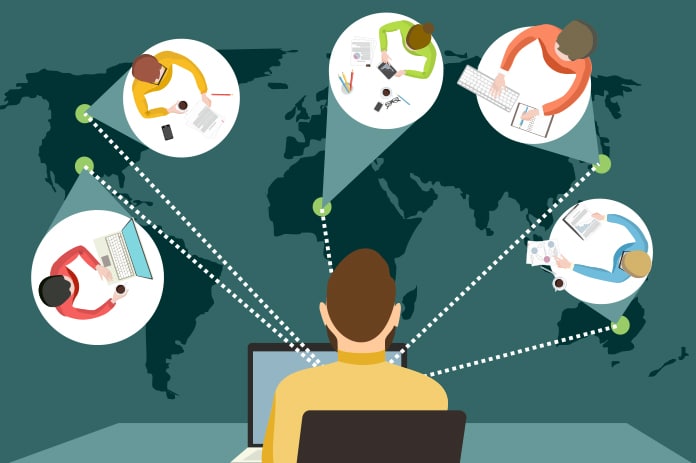

The traditional model of launching a business once depended heavily on physical offices, local staff, and in-person processes. Today, that model is rapidly becoming outdated. Cloud-based tools and remote teams are reshaping how companies are formed, staffed, and scaled—often from day one. For modern entrepreneurs, especially those operating across borders, business launch models are becoming more flexible, faster, and less tied to geography.
This shift is not simply about convenience. It reflects a structural change in how work, collaboration, and business infrastructure function in a digital-first economy.
The Rise of Cloud-First Business Operations
Cloud technology has become the backbone of modern business launches. From project management and accounting to communication and compliance, cloud-based platforms allow founders to access critical systems from anywhere in the world. These tools eliminate the need for costly on-premise infrastructure and enable startups to operate with minimal upfront investment.
For early-stage businesses, this accessibility is crucial. Founders can set up workflows, store documents securely, and collaborate in real time without assembling a physical office. As a result, business formation and early operations are no longer constrained by location or traditional overhead costs.
Cloud-first operations also make businesses more resilient. Data backups, redundancy, and continuous updates reduce operational risk and improve continuity from the outset.
Remote Teams as a Default, Not an Exception
Remote work has evolved from a temporary solution into a long-term operating model. Startups are increasingly building distributed teams that span multiple countries and time zones. This approach expands access to global talent and allows founders to recruit based on skill rather than proximity.
For new businesses, remote teams offer flexibility and cost efficiency. Instead of committing to long-term office leases and relocation expenses, companies can assemble lean teams that scale with demand. Cloud collaboration tools—such as shared workspaces, video conferencing, and real-time document editing—make coordination seamless even across continents.
This distributed model also supports diversity and inclusion by opening opportunities to professionals who may not be able to relocate to traditional startup hubs.
Faster and Leaner Business Launches
Cloud tools and remote teams have significantly shortened the time it takes to launch a business. Tasks that once required weeks of coordination can now be completed in days. Digital onboarding, automated workflows, and virtual communication reduce delays and simplify execution.
This speed is especially valuable in competitive markets where timing can determine success. Entrepreneurs can validate ideas, test markets, and adjust strategies quickly without being slowed by administrative complexity.
Lean launch models also reduce financial risk. Lower fixed costs mean businesses can experiment and iterate without the pressure of high overheads, increasing the likelihood of sustainable growth.
Decoupling Location from Legal Structure
One of the most notable changes in modern launch models is the separation of operational location from legal registration. Founders can operate remotely while choosing jurisdictions that offer regulatory clarity, credibility, and access to international markets.
Cloud-based legal and administrative services make this possible by digitizing company formation and compliance processes. Entrepreneurs no longer need to be physically present to register a business, open accounts, or manage statutory obligations.
This has prompted many founders to explore questions such as where to base their legal entity, how to maintain compliance remotely, and where to register a company in the UK online while managing operations from abroad.
The result is a more strategic approach to business foundations, where legal structure aligns with long-term goals rather than geographic convenience.
Collaboration Without Borders
Remote-first launch models rely heavily on collaboration tools that support transparency and accountability. Task management systems, shared dashboards, and automated reporting create visibility across teams, even when members never meet in person.
This transparency improves decision-making and reduces reliance on informal communication. Clear documentation and centralized information become standard practice, which supports smoother onboarding and continuity as teams grow.
For founders, this means fewer bottlenecks and greater confidence in day-to-day operations, even as the business scales internationally.
Challenges and New Responsibilities
While cloud tools and remote teams offer clear advantages, they also introduce new challenges. Cybersecurity, data privacy, and compliance across jurisdictions require careful management. Businesses must ensure that cloud platforms meet security standards and that remote teams understand their responsibilities.
Leadership also looks different in a distributed environment. Building trust, maintaining culture, and aligning teams require deliberate effort and clear communication. Successful remote-first businesses invest in processes and tools that support engagement and accountability.
These challenges, however, are increasingly seen as manageable trade-offs given the flexibility and scalability remote models provide.
A New Blueprint for Business Launches
The combination of cloud technology and remote work is redefining what it means to launch a business. Physical presence is no longer a prerequisite for legitimacy or success. Instead, agility, digital infrastructure, and strategic decision-making define modern launch models.
Entrepreneurs today are building companies that are global from inception, supported by cloud tools that simplify operations and remote teams that deliver expertise without borders. This new blueprint favors adaptability over tradition and efficiency over scale.
As technology continues to evolve, the gap between idea and execution will continue to narrow. For founders willing to embrace cloud-first, remote-enabled models, launching a business has never been more accessible—or more strategically flexible.