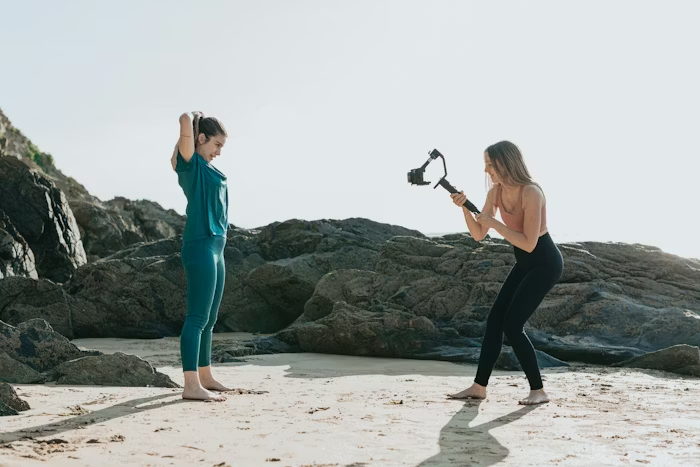

Short-form video content has taken the digital world by storm, dominating platforms like TikTok, Instagram Reels, and YouTube Shorts. These bite-sized videos, often under a minute long, are perfect for capturing attention in today’s fast-paced online environment. But creating consistent, engaging content at scale can be a challenge—until now. Enter image-to-video tools, a revolutionary technology powered by AI that transforms static images into dynamic videos with ease.
What Is Image-to-Video AI?
Image to video AI uses artificial intelligence to convert still images into animated video content. By analyzing the components of a photo, these tools can add motion, transitions, effects, and even background music to create a seamless clip. This technology eliminates the need for traditional filming or complex editing, making video creation accessible to everyone—from influencers to small business owners. For short-form content, where speed and creativity are key, these tools are becoming indispensable.
Why Short-Form Video Trends Rely on Image-to-Video AI
1. Speeding Up Content Creation
Short-form video platforms thrive on frequent posting, often requiring creators to upload daily to stay relevant. Image-to-video tools drastically reduce production time by turning a single image into a polished video in minutes. This efficiency allows creators to maintain a consistent posting schedule without sacrificing quality, keeping them in the algorithm’s favor.
2. Catering to Viral Trends
Trends on platforms like TikTok change rapidly, and creators need to jump on challenges or memes quickly to stay visible. Image-to-video AI enables users to adapt static content—think a trending photo or graphic—into a video format that fits the latest trend. With built-in effects and animations, these tools help craft content that feels fresh and on-point.
3. Making Creativity Accessible
Not everyone has the skills or resources to shoot and edit professional videos. Image-to-video tools democratize content creation by allowing anyone to produce eye-catching short-form videos without a steep learning curve. This accessibility fuels the trend by empowering more people to participate in platforms dominated by quick, creative clips.
Benefits of Image-to-Video AI for Short-Form Content
- Cost-Effective Production: No need for expensive cameras or editing software—just an image and a tool.
- Instant Engagement: Videos converted from images can be paired with trending audio or captions for maximum impact.
- Scalability: Easily create multiple videos from a batch of images, perfect for campaigns or themed content series.
- Versatility: Use for product promos, personal stories, or meme content tailored to different platforms.
A Must-Try Tool: Pollo AI for Effortless Viral Videos
If you’re looking to dive into the short-form video trend with image to video technology, Pollo AI is a standout choice. This all-in-one AI agent is designed to make video creation as simple as possible with its no-edit, one-click feature, allowing you to generate viral short-form videos in seconds. Simply upload an image or input a concept, and Pollo AI transforms it into a polished clip complete with animations, transitions, and effects without any edit.
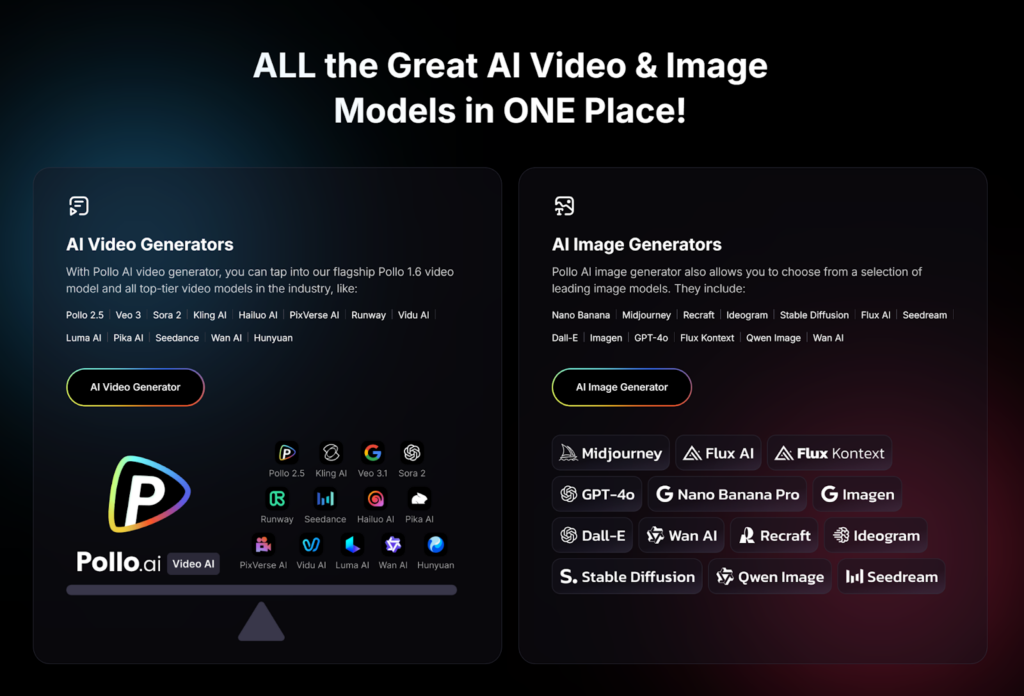
What sets Pollo AI apart is its vast library of templates, catering to every viral trend and niche, ensuring your content always feels current and engaging. For beginners and pros alike, Pollo AI offers an intuitive, powerful solution to create high-impact short-form videos without any editing hassle. They even have a video creator APP, which makes it more convenient and available for a wider range of people.
How Image-to-Video AI Fit Into Different Short-Form Niches
Product Marketing and E-Commerce
Brands are using image-to-video tools to turn product photos into quick promotional clips. A static image of a new gadget or outfit can be animated with text overlays like “Shop Now” and paired with trendy music, making it perfect for Instagram Reels or TikTok ads. This approach helps businesses create a stream of content to drive sales without needing a full video production team.
Personal Branding and Influencer Content
Influencers rely on short-form video to build their audience, and image-to-video tools help them stand out. A simple selfie or aesthetic photo can be turned into a storytelling clip with animations or filters, ideal for sharing daily updates or participating in challenges. These tools save time while maintaining a polished, personal vibe.
Memes and Entertainment
Memes are a cornerstone of short-form video culture, and image-to-video tools make it easy to animate popular images with funny captions or effects. Creators can quickly adapt viral photos into shareable videos, capitalizing on humor trends that dominate platforms like TikTok and keep followers engaged.
Tips for Maximizing AI in Short-Form Content
- Start with Quality Images: The better your input photo, the more professional your video will look.
- Match Trends with Templates: Use tools like Pollo AI to access templates aligned with current viral challenges or aesthetics.
- Add Trending Audio: Pair your video with popular sounds on TikTok or Reels to boost discoverability.
- Test and Iterate: Experiment with different styles and effects to see what resonates most with your audience.
Conclusion
Image-to-video tools are playing a pivotal role in powering short-form video trends, offering a fast, accessible, and creative way to keep up with the demands of platforms like TikTok, Instagram Reels, and YouTube Shorts. By transforming static images into dynamic clips, these tools enable creators and businesses to stay relevant, engage audiences, and capitalize on viral moments without breaking the bank or spending hours editing.
As this technology continues to evolve, its impact on digital storytelling will only grow. Try an image-to-video tool today and share your results in the comments.