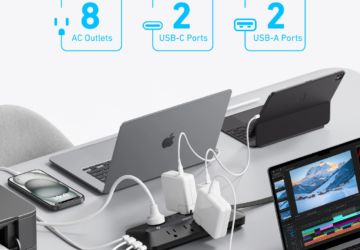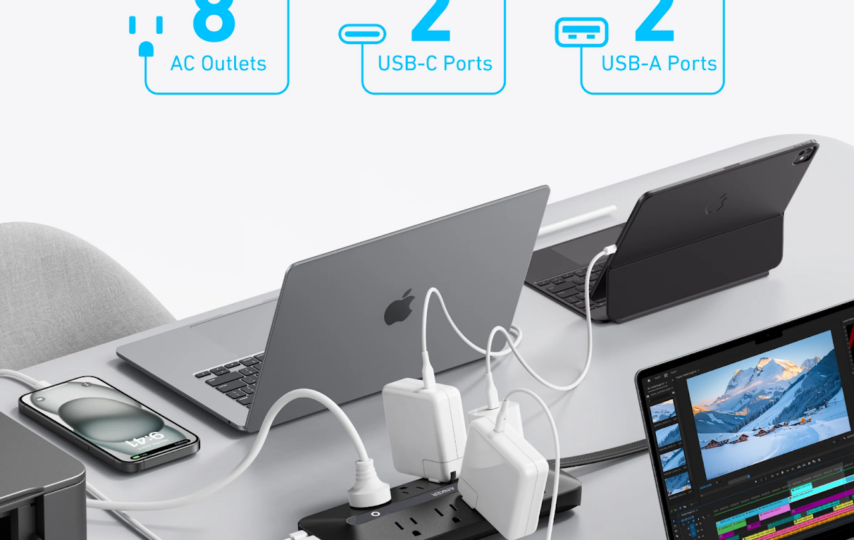

In the modern world where everyone is always connected, loss of battery or sockets is not just a nuisance, but it can also interfere with work, studies, and day to day activities. The use of electronics that has been experienced in smartphones and laptops is also increasing in smart homes. It is at this point that a power strip and a portable charger become silent heroes. After having extensively used both over the years in home offices, classrooms, and when traveling, I can honestly say that these two tools can address most of the current charging issues when selected with wisdom.
Understanding Modern Charging Challenges
The quantity of devices that we possess has grown, yet there is no change in the wall outlets. Houses and workplaces tend to have insufficient sockets and outdoor or traveling conditions do not have them at all. Things are further complicated by voltage variations, cable mess and slow charging. A good power strip can be used to operate several devices at a single location whereas a charger on the go can be used to provide power wherever a person goes. Collectively, they form a balanced charge system in the present-day lifestyles.
What Is a Power Strip and Why It Matters
A power strip is not merely an extension with several sockets. The current designs contain surge protection, USB, and smart power management features that defend against electrical damage of devices. A good power strip will minimize cable clutter and enhance safety by concentrating power access in a small area in my experience with the installation of small workstations.
Benefits of Using a Power Strip at Home or Office
A power strip enables you to have a number of electronics connected at the same time without the need of unplugging them every time. Surge-protected models protect laptops, television sets and routers against unexpected voltage spikes. Power strips have gone a step higher to provide individual switches, which save on power by switching off when the device is not in use. This convenience is a direct productivity enhancement to students or remote workers.
What Is a Portable Charger and How It Helps
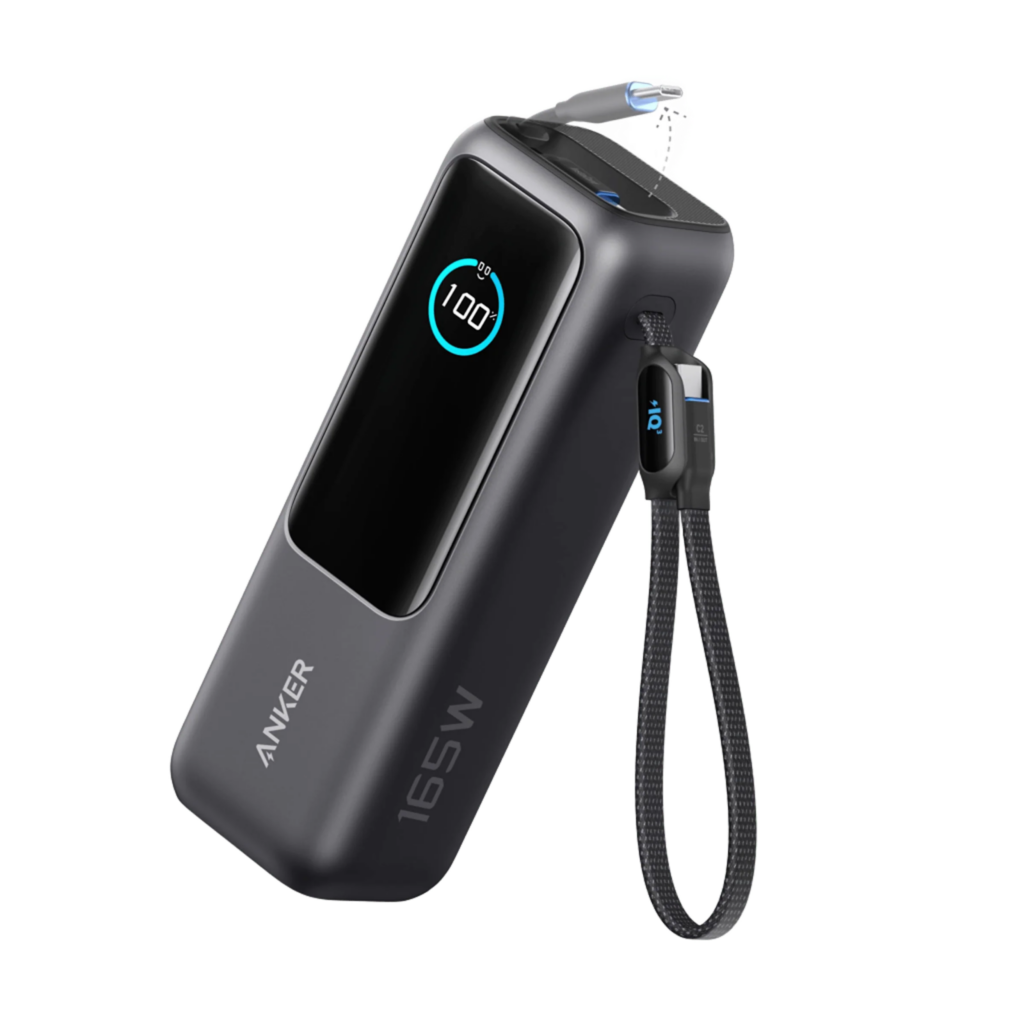
A power bank is commonly referred to as a portable charger and it is a device that stores electrical energy that can be used at any time anywhere. Portable chargers are a good backup power source, whether it is commuting, going to classes, or power outage. Personally, I have been using one on long traveling days when there were few charging points and it has helped me to avoid missed calls and work.
Key Advantages of Portable Chargers
Portable chargers are small, lightweight and can be used on different devices. Models with high capacity are capable of charging a smart phone several times and fast-charging capability minimizes downtime. Others even tablets and small laptops. A portable charger is a necessary companion to go outside, in cases of an emergency, or on the road.
Power Strip vs Portable Charger: Different Roles, Same Goal
Although these two devices are used to charge, they are suited to different settings. A power strip is most effective in a fixed place where there is electricity e.g. homes, offices or libraries. A handheld charger glows when one needs to go. The combination of the two will make a complete charging solution, one stationary and one mobile.
Choosing the Right Power Strip and Portable Charger
The choice of the appropriate devices is based on the needs of use. The power strip to select must have surge protection, adequate socket spacing, and USB charging ports. In the case of portable chargers, capacity, fast-charging, and safety certification are very important. Established brands such as Anker have always provided quality charging products which offer a balance between safety, performance and durability.
Safety and Long-Term Value
Safety must not be neglected. Inferior quality power strips may overheat, whereas uncertified portable chargers could break devices. Personally, spending money on products with good reviews saves on expenses in the long run because of avoiding failure of devices. It is best to never overload a power strip and keep portable chargers in areas that are not hot or too cold.
How These Tools Simplify Daily Life
A power strip at home does away with the annoyance of not being able to find a free outlet, and a portable charger gives one the freedom to be outside and not worry. The two of them guarantee continuous connectivity, streamlined operations, and improved management of devices. To the students, professionals, and general users, this combination helps them live a digital life that is more organized and efficient.
Conclusion
Power strip and portable charger are not the optional accessories anymore, they are the reasonable solutions to the daily challenges in charging. One is in charge of various devices that are kept secure in fixed areas, and the other one is in charge of power on demand. You can be able to save time, keep your devices safe and stay connected wherever you go in life by ensuring that you use high-quality products and by being responsible when using them. The bottom line is that investment in these simple tools will eventually create more convenience and reliability in the world where power is a crucial factor.
FAQs
The question many people pose is whether the use of a power strip can destroy devices. A good power strip with a surge protection is meant to shield electronics and not destroy them and thus safe to use on a daily basis.
The next question that is frequently asked is the duration of a portable charger. The life time is determined by the quality of the battery and the usage pattern although most quality models can last a few years with good care.
The question that users have is whether a power strip can substitute a portable charger. A power strip needs a wall outlet, whereas a portable charger does not, and thus they are used in different situations and complement each other.
There is a question of whether it is safe to charge several devices simultaneously. Simultaneous charging is safe and efficient so long as the power strip or portable charger is rated to the load and is used correctly.