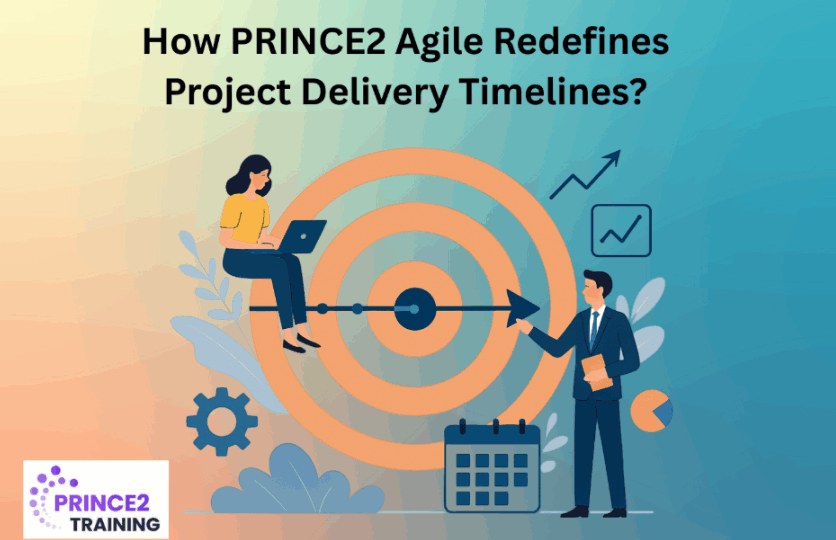

What if project deadlines were not just managed but transformed into flexible milestones that adapt to change? That is exactly where a PRINCE2 Agile Course steps in. It merges the structure of PRINCE2 with the speed of Agile, offering a fresh way to deliver projects without compromising quality. By blending governance with adaptability, it helps teams keep control while responding quickly to shifting demands.
In this blog, we explore how PRINCE2 Agile redefines project delivery timelines to suit today’s dynamic work environment.
The Role of PRINCE2 Agile in Managing Timelines
PRINCE2 Agile blends structure with flexibility to keep projects on track without sacrificing quality. Below are the key ways this approach helps redefine and manage delivery timelines effectively:
PRINCE2 Agile Vision and Timeline Control
Strong delivery begins with a shared vision. PRINCE2 Agile sets direction with a crisp business case and a clear definition of done. You link outcomes to a handful of measures that leaders care about. Think cycle time, release frequency, and customer satisfaction. With the vision set, you agree the rules for change and for escalation. People know who decides and when. This removes delay. It also keeps the programme on a path that sponsors can explain. A steady vision turns busy work into progress you can track.
Timeboxing With PRINCE2 Agile for Reliable Sprints
Timeboxing is a simple promise. Fix the time and protect quality. Flex the scope inside the box. PRINCE2 Agile uses this promise at every level. You frame short sprints that land real outcomes. You add wider timeboxes for stages and releases. The team breaks work into small stories. Each story fits inside a sprint. Each sprint ends with a review and a tidy set of actions. This rhythm builds trust. Users see value arrive often. Leaders see dates kept without drama. Confidence grows because momentum is visible.
Stages, Gates, And Faster Project Management Decisions
PRINCE2 uses stages to focus effort. PRINCE2 Agile keeps stages and adds agile reviews. Before you start a stage, you confirm the case, the risks, and the plan. During the stage you meet often, remove blockers early, and update the board with simple visuals. At the gate you test value against the measures you set. If value fades, you pause, pivot, or stop. This saves months. It also protects budgets and morale. Decisions feel fair because they use evidence, not noise. Your project management cadence becomes fast and calm.
Product Based Planning with Agile Backlogs
PRINCE2 plans around products and quality. Agile plans around a backlog and user value. Together they shine. Start with a product breakdown that lists what good looks like. Add acceptance notes that anyone can read. Then load the backlog with stories that build those products. Prioritise by risk, learning, and value. Keep quality criteria visible so the team builds the right thing the first time. When change arrives, add it to the backlog and weigh the trade. Time stays firm. Quality stays firm. Scope flexes in a way everyone understands.
Flow, Metrics, and Clear Reporting for Sponsors
Data beats guesswork when timelines are tight. Track a small set of flow metrics that guide daily calls. Lead time from idea to release. Throughput per sprint. Work in progress today. Pair these with classic controls for cost to date and forecast to complete. Use a single page report for sponsors. Show green, amber, red with a short note on each item. Add one action per risk. Share the release plan and the next review date. This clarity keeps leaders close and calm. It also unlocks help when you need it.
Culture, Roles, and Habits That Keep Timelines Real
Methods work when people work together. Set roles with care. The product owner speaks for users. The team leads build with quality. The project manager steers scope, timeline, and risk. The board makes choices that shape value. Keep meetings short and regular. Daily stand ups for flow. Sprint reviews for learning. Stage reviews for direction. Praise small wins. Fix small slips early. Use a tidy backlog, a visible board, and a simple risk list. Habits like these keep momentum strong. Timelines stay real because people share the load.
Conclusion
PRINCE2 Agile brings structure and speed to modern delivery. You keep stages and governance. You add sprints, timeboxes, and visible flow. Dates hold. Quality holds. Scope flexes with purpose. Stakeholders feel informed and involved. If you want expert guidance that blends practice with coaching, PRINCE2 Training will help you turn these ideas into daily habits. Choose one tactic from this blog and try it this week. Share the result with your team. Your next deadline will already feel easier and more achievable.