
London nights used to be simpler. You’d usually hear about a place from someone you trusted. A friend mentioned it, maybe someone handed you a flyer, maybe you just followed a suggestion and showed up. You dealt with the night as it came and adjusted along the way. Sometimes it worked. Sometimes it didn’t. That uncertainty was part of the deal.
Now things feel different. Not better or worse across the board. Just different. If you ignore the rather extremist views of the anti-technology trend, you’ll see that technology didn’t ruin or replace anything. It just became a part of the experience.
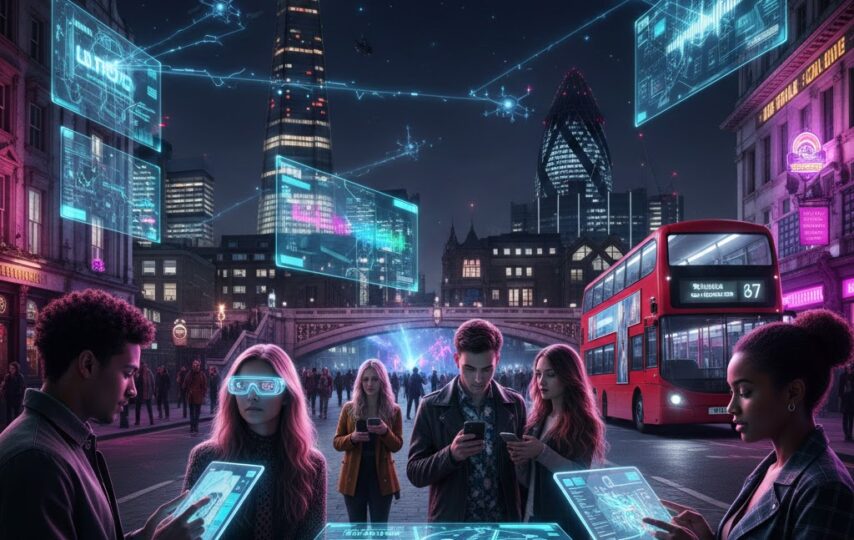
London nightlife still depends on people, timing, and mood. But tech has quietly reshaped how all of that connects.
Planning the Night Before It Even Starts
One of the biggest shifts happens long before anyone leaves the house. Nights are planned earlier now. Group chats start in the afternoon. Screenshots get shared. Selene club reviews get sent. Someone always says “this looks good” and suddenly the evening has direction.
Apps, booking platforms, social feeds, they’ve turned spontaneity into something semi-structured. You don’t just decide to go out. You research the idea of going out.
This changes expectations. People arrive with a mental image already formed. They know the lighting, the crowd, the vibe. Sometimes that helps. Sometimes it kills the mystery a bit. But it also means fewer wasted nights, fewer wrong turns.
In areas like Mayfair nightlife, this planning culture feels especially pronounced. People want precision. They want to know what kind of evening they’re stepping into, not gamble on it.
Smartphones as Social Anchors
Phones used to be distractions. Now they’re anchors. They keep groups together, update plans in real time, and smooth over the chaos that used to break nights apart.
Someone’s late. Someone changes location. Someone brings someone unexpected. All of it gets absorbed without derailing the flow. That shift didn’t happen overnight.
Phones now sit in an awkward middle space. People are there, but not fully. Glancing down, then back up, never completely in one place. Documenting moments instead of fully living them. There’s a balance London still hasn’t quite settled on.
You see it in pauses. People checking screens between conversations. The night breathing in and out around notifications. It doesn’t ruin things, but it reshapes the rhythm.
Data Is Quietly Deciding Where People Go
Behind the scenes, numbers matter more than they used to. Search patterns, bookings, engagement. Quiet signals shaping decisions before anyone walks through the door. All of it feeds decisions about pricing, timing, even music choices.
Venues adjust faster now. If something isn’t landing, it’s noticed quickly. If a certain night draws a specific crowd, that information gets reused. London nightlife has become more responsive, almost reactive.
This has upsides. Experiences are more tailored. The wrong crowd clashes less often. The city feels smoother in that sense.
But there’s also a risk of sameness. When data drives too much, originality can flatten. The best nights still tend to be the ones that break expectation slightly, not the ones optimised into safety.
Music, Sound, and Atmosphere Have Gone Technical
Sound quality has improved massively. Lighting too. What used to feel improvised now feels engineered. Even subtle changes in volume, bass, and tempo are planned with intention.
Technology allows for precision. Mood can be guided without being obvious about it. The energy can rise slowly instead of spiking. The night feels less chaotic, more controlled.
For some people, that control is the appeal. For others, it removes a bit of edge. London has always walked that line between refinement and unpredictability. Tech nudges it toward refinement.
Still, when done well, the result is immersive rather than sterile. The best places use technology quietly, letting it support the atmosphere instead of becoming the point.
Memory, Sharing, and the Afterlife of the Night
One of the strangest changes is how long nights last now. Not physically, but digitally. Photos surface days later. Stories get reposted. Moments loop back unexpectedly.
A night out doesn’t end when you leave anymore. It trails behind you online. Sometimes that’s fun. Sometimes it’s awkward. Either way, it extends the experience beyond the moment itself.
This has shifted how people behave. Some are more careful. Others more performative. The awareness of being seen later influences choices in real time.
Yet despite all of this, the core of London nightlife hasn’t disappeared. People still chase connection. Atmosphere still matters. Timing still beats planning when it really counts.
Technology hasn’t replaced the night. It’s just added layers. Some useful. Some distracting. Some you only notice when you put the phone down and realise the city is still there, doing what it’s always done.
In the end, technology hasn’t changed why people go out in London. It’s changed how confidently they move through it. There’s less guessing now. Fewer accidents. Fewer nights that feel completely lost. For some people, that’s a relief. For others, it takes away a little of the magic.
But London has always adapted. It absorbs systems, trends, tools, then bends them into something more human. Tech comes in thinking it will organise the night. Of course, no tech is a match to the randomness and chaos of a night out. Celebrities still pull up. People still meet unexpectedly, and a random Sunday night event can still go hard despite what the reviews say.
No matter how much planning happens beforehand, the best moments still arrive without warning. A conversation that drifts. A place that feels right even though it wasn’t on the list. A decision made in the moment that ends up defining the evening.
Technology can guide you there faster. It can smooth the edges. It can raise the baseline. What it can’t do is replace instinct. It can’t tell you when to stay or when to leave. It can’t feel the shift in energy when a room changes. That part still belongs to people.
London nightlife survives because it isn’t fragile. It doesn’t collapse under structure. It flexes around it. Tech will keep evolving. New platforms, new tools, new ways of shaping nights before they happen. But the real experience still lives in the gaps between all that.
When the phone goes quiet. When the city feels close. When it hits that everything has worked out perfectly, regardless of plans, prep, and research.