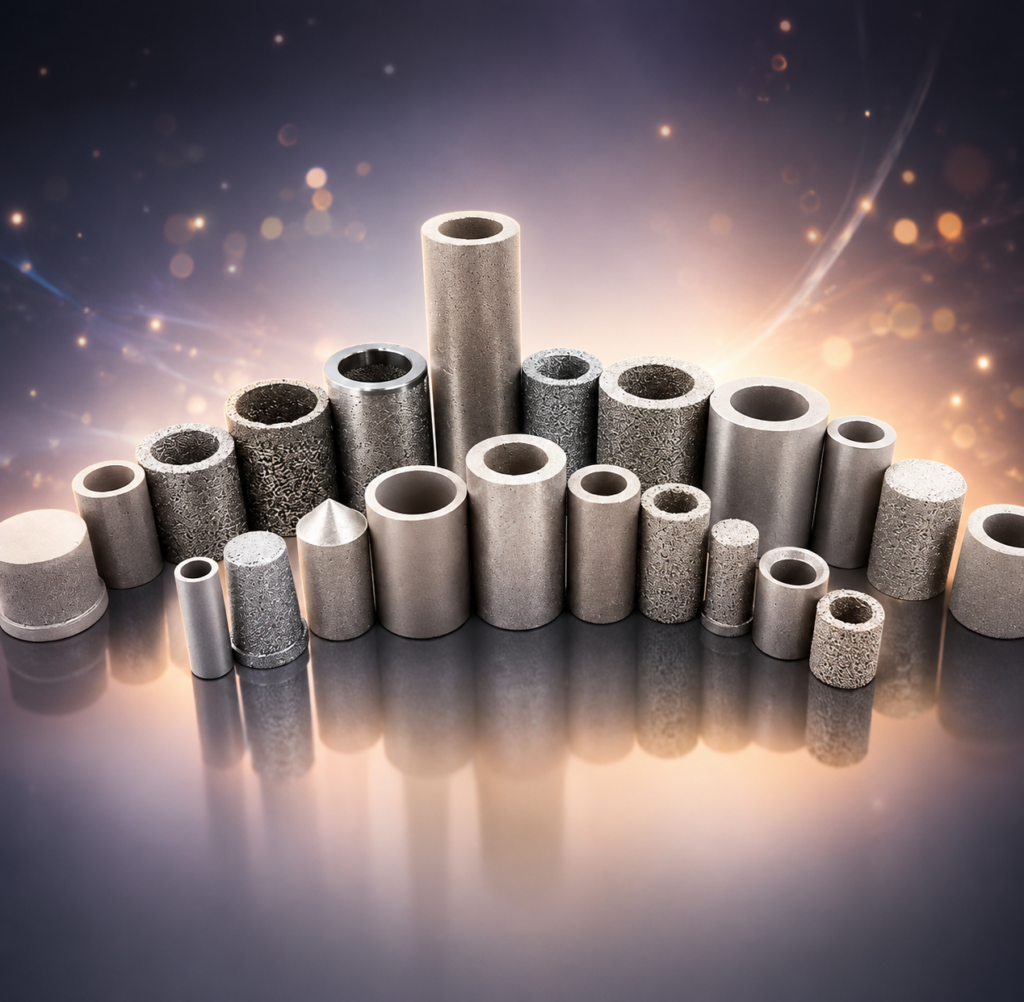
Choosing the right sintered filter can make a big difference in how well your system works. Whether you need it for industrial equipment, water treatment, or chemical processing, the correct choice saves time, money, and headaches. This guide walks you through the main steps in simple terms so you can make a smart decision.
Understand Your Application First
Start by looking closely at what you need the filter to do. Ask yourself a few basic questions: What fluid or gas will pass through it? Is it water, oil, air, or a harsh chemical? Knowing the type of material helps you pick a filter that can handle it without breaking down.
Next, think about the particles you want to remove. Are you filtering out large dirt pieces or very fine dust? Different jobs need different levels of filtration. For example, a food processing plant may need to catch tiny particles to keep products clean, while a basic air system might only need to stop larger ones.
Also consider how the filter fits into your overall process. Will it face constant flow or occasional use? Heavy daily operation needs a stronger filter than one used just a few times a week. Taking time to map out your exact needs prevents buying something that does not match your setup.
Check Material Options
Sintered filters come in different metals. Stainless steel is one of the most popular choices because it resists rust and handles many chemicals well. Bronze works great for some oil and gas applications. Nickel-based alloys suit very high-temperature jobs.
Each material has its strengths. Stainless steel offers excellent durability and easy cleaning in most cases. Bronze provides good performance at a lower cost for less aggressive environments. Think about the chemicals or temperatures your filter will meet. A wrong material choice can lead to fast wear or contamination.
Always match the material to your operating environment. If your system uses acids, go with higher-grade stainless steel. For standard air or water, basic options often work fine.
Focus on Pore Size and Filtration Rating
Pore size is one of the most important factors. It tells you how small the holes in the filter are and what size particles it can catch. Common ratings go from a few microns down to sub-micron levels.
A smaller pore size catches finer particles but may slow down flow. A larger pore size allows faster flow but lets more small particles through. You need to find the right balance for your needs. For instance, medical applications often require very small pore sizes for high purity, while industrial cooling systems may use larger ones.
Look for clear filtration ratings from the manufacturer. These numbers help you compare options easily. Test data or sample results can also show real performance in conditions similar to yours.
Consider Size, Shape, and Fit
Sintered filters can be made in many shapes and sizes. You can get discs, cylinders, tubes, or custom designs. Measure your equipment carefully to ensure the filter fits properly without leaks or gaps.
A poor fit can cause bypass issues where unfiltered material slips around the edges. Custom shapes often cost more but improve performance and make installation easier. Standard sizes work well for many common systems and help keep costs down.
Think about how you will install and remove the filter. Easy access saves maintenance time later. Some designs allow quick changes while others need more effort.
Evaluate Operating Conditions
Temperature and pressure play a huge role in filter selection. Sintered filters handle high heat and strong pressure better than many other types, but you still need to check the limits for each option.
Find out the maximum temperature and pressure in your system. Choose a filter rated higher than those numbers for safety. Sudden pressure changes or temperature swings also matter. A good filter stays stable under these conditions.
Chemical compatibility matters too. Some fluids can slowly damage certain metals over time. Review chemical resistance charts provided by suppliers to avoid problems.
Look at Flow Rate and Pressure Drop
Good flow is essential for most systems. The right sintered filter lets enough fluid or gas through without creating too much resistance. Pressure drop refers to the reduction in pressure as material passes through the filter.
A high pressure drop can strain pumps and lower efficiency. Check flow rate data for different filter options. Consider both clean flow and how performance changes as particles build up.
Larger surface area filters often provide better flow and longer service time between cleanings. Balance your flow needs with the filtration level you require.
Think About Cleaning and Maintenance
One big advantage of sintered filters is that you can clean and reuse them. Consider how easy it will be to maintain your filter. Some designs support backwashing with air or liquid, while others need chemical cleaning.
Plan for your maintenance schedule. Filters in dirty environments need more frequent cleaning. Choose a design that fits your team’s capabilities. Easy-to-clean options reduce downtime and extend the filter’s life.
Ask about expected lifespan under your conditions. A filter that lasts longer between replacements usually offers better value.
Review Budget and Long-Term Costs
The upfront price is important, but total cost over time matters more. Sintered filters usually cost more initially than basic filters, but they last longer and need fewer replacements.
Calculate potential savings from reduced maintenance and less downtime. Factor in energy costs from pressure drop and replacement frequency. A slightly more expensive filter can pay for itself quickly in demanding applications.
Look for suppliers who offer good support, warranties, and technical help. Reliable service adds value beyond the product itself.
Test Before Full Commitment
When possible, request samples or run small-scale tests. Seeing how a filter performs in your actual conditions gives the best insight. Many suppliers provide test filters or performance data from similar applications.
Start small if you plan to switch types or brands. Monitor results carefully before ordering large quantities.
Where to Find Quality Sintered Filters
Work with experienced manufacturers who understand your industry. Look for companies that offer customization and clear technical specifications. For trusted sintered filter solutions and expert advice, visit NESIA Filter.
Compare multiple options and ask detailed questions. A good supplier helps you match the filter to your exact needs instead of pushing one standard product.
Final Tips for Success
Choosing the right sintered filter takes some upfront work, but it pays off with better performance and lower costs. Always start with your application needs, then narrow down materials, sizes, and ratings. Consider real operating conditions and long-term value rather than just initial price.
Take notes during your research and consult with your team or technical experts. Small details like installation method or cleaning process can affect your final choice.
With the right sintered filter in place, your systems run smoother, require less maintenance, and deliver cleaner results. Take time to evaluate your options carefully, and you will find a solution that works well for years to come.