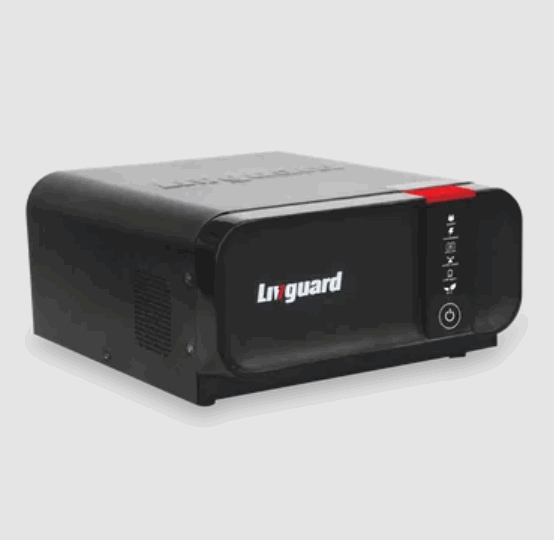

A comfortable home is one that keeps running, no matter what the circumstances. But power outages don’t always work in favour. That is why a reliable inverter for home is essential. But here comes the tricky part—when you go shopping, you’ll see dozens of inverters. Some are cheap, some are pricey. Some promise long backup, others claim extra safety. So how do you identify which is the best inverter for home? The right inverter is not just about the lowest price. It’s about a balance—cost, performance, safety, and how well it suits your needs. In this blog, we will break it all down. So keep reading!
What is an Inverter and How Does it Work
Before you compare, let’s be clear on the job the inverter performs. An inverter:
- Converts battery power (DC) into usable electricity (AC).
- Run your home appliances when power fails.
- Works quietly and automatically.
- Keeps life normal during outages.
An inverter is your backup partner.
Understand Your Power Needs
Don’t rush to the store yet. First, check what you actually need.
- Make a list of appliances you want during a power cut.
- Lights, fans, Wi-Fi? Or also fridge, TV, laptops?
- The more appliances you add, the higher the inverter capacity you’ll need.
Tip: Start with essentials. No need to power everything.
Compare Capacity and Price
Capacity is usually measured in VA.
- 600–800 VA is fine for a small home or just basics.
- 1000–1500 VA suits bigger families with more gadgets.
- Higher capacity = higher price.
Don’t overspend on extra capacity you don’t need. But also don’t buy too small, or you’ll overload the inverter.
Look at Battery Options
The battery is where the real cost sits.
- Tubular batteries last longer. Expensive but durable.
- Flat-plate batteries are cheaper. But short life
- Bigger battery = longer backup.
Think like this: Pay once for a stronger battery and save stress later
Decide on Waveform Type
This part decides the kind of power your devices get.
- Pure sine wave: Clean power. Safe for all devices. Costlier.
- Modified sine wave: Works for fans, lights, small loads. Cheaper.
- Square wave: Very basic. Only bulbs and fans. Cheapest.
If you have electronics, go for pure sine wave. Why? The wave form is best for sensitive devices. Otherwise, modified works.
Backup Time vs Price
Backup time is often where people get confused.
- More backup = bigger battery = more cost.
- Small setups may give 2–3 hours.
- Larger systems give 6–8 hours or more.
Choose backup based on how long power cuts last in your area.
Don’t Ignore Safety Features
A safe inverter saves you money in the long run.
- Overload protection keeps devices safe.
- Short-circuit protection prevents accidents.
- Auto shutoff stops damage.
Models with safety features may cost extra but give peace of mind.
Check Energy Efficiency
Efficient inverters are a smart choice.
- Use less power when idle.
- Produce less heat.
- Last longer.
They may be expensive at first, but they save you money on electricity bills in the long run.
Compare Brands and Warranty
The brand can make a big difference. Here is how:
- Trusted brands offer better reliability. The higher price is worth the offerings.
- On the other hand, not-so-famous brands are cheaper, but risky when it comes to performance.
- A long warranty shows confidence in the product.
- Service centers nearby = faster repairs.
Sometimes paying for the brand means peace of mind.
Extra Features That Add Value
Modern inverters sometimes offer extras.
- LED/LCD displays for battery and load.
- Remote control or app monitoring.
- Solar panel compatibility.
- Silent design.
These may raise the price, but they make usage easier.
Balancing Price With Long-Term Value
When you are ready to buy an inverter, don’t just think about its price. Think about the thing that matters the most, its performance. A cheap inverter may fail early, costing more in repairs. A slightly expensive one with better efficiency and safety will last longer. Battery life is also part of performance—good batteries reduce replacement cost. It’s about balance. Pay enough to get quality, but not extra for features you won’t use.
Practical Tips Before You Buy
Here are a few more tips to help you choose the best inverter for home:
- Visit more than one store. Prices may differ.
- Ask about service and installation.
- Check reviews or feedback from other buyers.
- Don’t ignore warranty papers—keep them safe.
- Always match your inverter with your battery
Conclusion
Finding the best inverter for home is not about buying the cheapest one. It’s about matching price with performance. Capacity, battery, waveform, backup time, safety, efficiency, and brand—all these play a part in both cost and reliability.
Always remember that the best inverter for home will be a little on the expensive side, will last longer, and give smooth performance. But the choice should always be dependent on your home and budget needs.
Choose wisely, and your inverter will quietly do its job—keeping your home comfortable even when the power goes out.