A Fiscal View
Procurement choices have a greater influence on the financial viability of a warehouse, yard, or construction business than most executives understand. Equipment is more than just steel and hydraulics. It is a capital investment in performance, maintenance, depreciation, and cash flow.
A bad choice eats away at margins quietly. A good one multiplies margins over time.
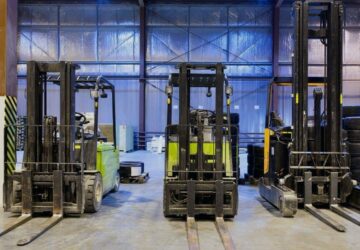
When businesses evaluate Diesel forklifts, the discussion usually revolves around lifting capacity. It should revolve around return on investment. Life of the asset. Fuel economy. Resale value. Maintenance cycles. Downtime risk. Equipment is an operational asset, but first, it is a financial choice.
Let’s dissect that properly through this guide
Capex vs Opex: Start With Structure
Every equipment purchase falls between capital expenditure and operational expenditure.
Purchasing outright boosts balance sheet value but locks up cash. Leasing preserves cash flow but potentially increases long-term cost risk. Hiring provides flexibility but reduces margins if done regularly.
The right choice is based on:
- Usage frequency
- Project duration
- Cash reserves
- Maintenance capacity
- Tax positioning
Renting is common in short-term projects, whereas long-term, steady projects will likely require buying.
Diesel Power: An Insight
Diesel-powered forklifts are understandably used for heavy-duty operations—outdoor yards, construction sites, and large distribution centers. From a financial perspective, they are viable when:
- Heavy loads are continuously handled
- Long shifts are worked
- Refueling must be rapid
- Heavy terrain requires torque and heavy-duty construction
Diesel engines are likely to provide strong longevity with proper maintenance. Their resale value can be preserved in areas with a steady, heavy lifting requirement. However, they also introduce fuel costs, pollution concerns, and maintenance needs. The viability question is easy to answer: Are you handling high volumes of business regularly enough to make diesel efficiency worthwhile over electric options? If so, diesel provides strong value over their lifecycles. If not, it’s an overinvestment.
Depreciation Is Not the Enemy
Managers often fear depreciation. The truth is that predictable depreciation is manageable. Unpredictable breakdown is not. Equipment with a strong brand reputation and high quality tends to retain its value in the secondary market better. This is because it will have less depreciation.
To assess properly, one must consider the following:
- Average resale demand
- Parts availability
- Service network of the manufacturer
- Engine durability
Maintenance: The Silent Line Item
Maintenance is where profitability quietly shifts. Every machine has service intervals. Filters. Fluids. Tires. Wear parts. The financial question is not whether maintenance exists; the question is whether your organization has the infrastructure to manage it efficiently.
In-house technicians reduce external service costs but increase payroll burden. Outsourced maintenance simplifies planning but increases ongoing costs. Either way, neglecting maintenance inflates the total cost of ownership dramatically.
Midpoint Analysis: Matching Investment to Workflow
Halfway through any procurement strategy review, one reality emerges: material handling equipment should match workflow patterns, not dreams. Buying capacity you rarely use cuts returns. Buying enough capacity to keep costs low creates bottlenecks.
Financial feasibility depends on understanding:
- Daily throughput
- Peak seasonal demand
- Average load weight
- Shift patterns
If your throughput varies wildly, a hybrid approach might provide stability—some owned equipment, some flexible rental capacity.
Fuel vs Energy Economics
Fuel cost stability is a key factor in equipment feasibility. Diesel prices can vary. Electric options depend on charging networks and energy prices. From a strictly financial point of view:
- Diesel: quick refueling and extended non-stop use
- Electric: stable fuel costs but high initial investment in infrastructure
Cost of ownership, not purchase price, should be factored into the decision. If lost time during charging affects the bottom line, diesel may pay for itself through operating savings. If green subsidies or off-peak rates apply, electric variants could close the gap. There are no general solutions to this conundrum, only context-dependent answers.
The Role of Simpler Tools in Cost Control
Not all movements need engine power. For short-distance internal transfer, manual or semi-manual systems work best. The pallet trolley is one such example of low-cost, high-efficiency technology. From a cost point of view, it provides:
- Low maintenance cost
- No fuel requirements
- Long lifespan
- Immediate use
The strategic use of pallet trolleys helps avoid overuse of powered forklifts. This helps stretch fuel efficiency and extends the life of bigger assets.
Leasing- Flexibility for a Fee
Leasing options help manage cash flow and alleviate initial capital outlay. The benefits are:
- Fixed monthly cost
- Low maintenance burden
- Easy upgrades
However, leasing for a long period of time can be more expensive than owning. The choice depends on the growth rate of the business. Businesses that grow rapidly will appreciate the flexibility. Businesses that are stable will find more value in owning. Financial discipline comes from making realistic projections.
Risk Management and Insurance
Using heavy equipment also involves risk of liability. The cost of insurance depends on:
- Equipment type
- Operational conditions
- Training levels of operators
- Safety record
Planning for lifestyle also greatly helps reduce costs. Consider the following questions:
- When does this equipment reach its peak maintenance cost?
- When does selling for maximum value occur?
- Is it cheaper to replace than to maintain?
Planning for disposal or trade-in of equipment such as your pallet trolley before the equipment declines helps safeguard capital. Lifecycle planning distinguishes between spending and investing, and that brings you to a decisive conclusion for this guide on investment.